
Woburn Abbey
Christian·England·Country house, visitor attraction·12th century
Woburn Abbey, located in Bedfordshire, England, began as a Cistercian abbey founded in 1145 before being dissolved in 1538. It was later acquired by the Russell family and transformed into a grand country house, serving as the ancestral seat of the Dukes of Bedford. Despite significant rebuilding and periods of disrepair, Woburn Abbey has evolved into a popular visitor attraction, incorporating historic gardens, a deer park, and modern amenities like Woburn Safari Park.
Key Facts
- ›Founded as a Cistercian abbey in 1145.
- ›Dissolved by Henry VIII in 1538.
- ›Became the seat of the Russell family, Dukes of Bedford, in 1547.
- ›Underwent major rebuilding in the 17th, 18th, and 19th centuries.
- ›Opened to the public for the first time in 1955.
- ›Features Woburn Safari Park, established in 1970.
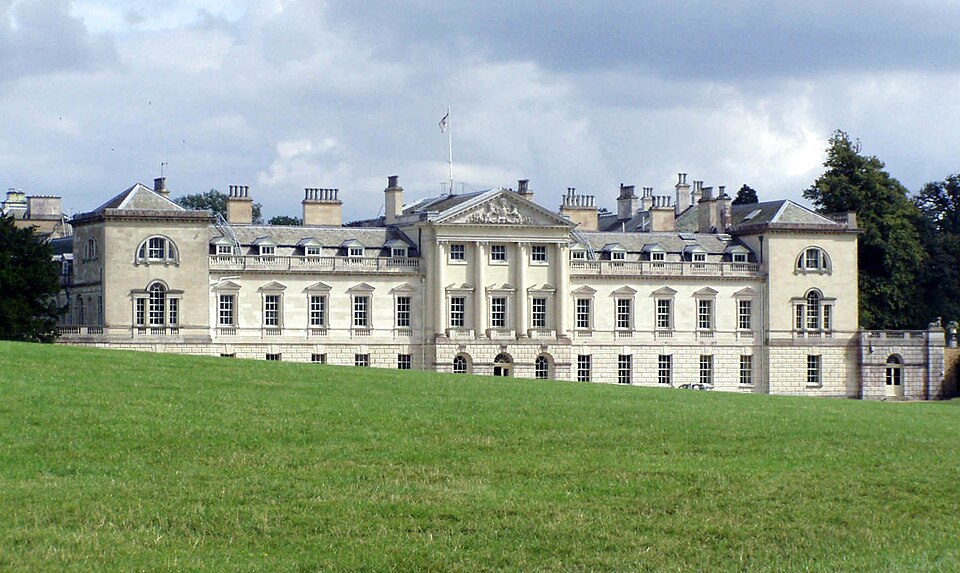
Monastic, Manor House, Country House
Historic Landscape Gardens, Deer Park, Woburn Safari Park, Extensive Art Collection, Grade I Listed Building
- William Russell, 1st Baron Russell of Thornhaugh
- Francis Russell, 4th Earl of Bedford
- Henry Flitcroft
- John Sanderson
- Henry Holland
- John Adams
- Thomas Jefferson
- Henry Channon
- Ian Russell, 12th Duke of Bedford
- Robin Russell, Marquess of Tavistock/14th Duke of Bedford
- Henrietta Joan Tiarks
- Andrew Russell, 15th Duke of Bedford
- Humphry Repton
- Founding As A Cistercian Abbey
- Dissolution By Henry Viii
- Acquisition By the Russell Family
- Visit By John Adams and Thomas Jefferson
- Headquarters of the Political Warfare Executive During Wwii
- Opened To the Public
- Establishment of Woburn Safari Park
About Woburn Abbey
Woburn Abbey: From Monastic Foundation to Country House Estate
Woburn Abbey, situated in Bedfordshire, England, holds a rich and varied history, transitioning from its origins as a Cistercian abbey to its current status as a grand country house and popular visitor attraction. It was established in 1145 as a monastic community, but this chapter concluded with its dissolution by King Henry VIII in 1538.
Transformation into a Family Seat
In 1547, the estate was acquired by the Russell family, who would become the Dukes of Bedford. This marked the beginning of Woburn Abbey's metamorphosis into a stately home. Significant rebuilding efforts commenced around 1630 under Francis Russell, 4th Earl of Bedford, incorporating elements of the original monastic structures into a new manor house, though the name 'Abbey' was retained. Further substantial architectural transformations took place between 1747 and 1761 under architects Henry Flitcroft and John Sanderson, followed by additional work directed by Henry Holland between 1787 and 1790.
Modern Era and Public Access
During the Second World War, Woburn Abbey served as the headquarters for the secretive Political Warfare Executive. The post-war period saw significant changes, including the demolition of half the Abbey due to dry rot and the subsequent opening of the house and estate to the public for the first time in 1955. This move proved successful, helping to manage considerable death duties and paving the way for further developments. The estate now encompasses historic landscape gardens and deer park, as well as attractions like Woburn Safari Park, established in 1970. The estate continues to be the family home of the Duke of Bedford and is open to visitors on specified days, showcasing its art collections and diverse attractions.
Source: Wikipedia ↗
Frequently Asked Questions
When was Woburn Abbey founded?
Woburn Abbey was founded as a Cistercian abbey in 1145. The monastic community was later dissolved by King Henry VIII in 1538.
Who owns Woburn Abbey today?
Woburn Abbey remains the family home of the current Duke of Bedford. The estate is managed by the 15th Duke, Andrew, who continues his father's work in running the estate.
Is Woburn Abbey open to the public?
Yes, Woburn Abbey is open on specified days to visitors. It was first opened to the public in 1955 to help with significant death duties faced by the family.
What attractions are available at Woburn Abbey?
Visitors can explore the historic landscape gardens and deer park, designed in part by Humphry Repton. More recent additions include Woburn Safari Park, a miniature railway, and a garden/visitor centre.
What is the architectural history of Woburn Abbey?
Originally a monastic site, it was rebuilt as a manor house by the Russell family around 1630. Further significant rebuilding occurred between 1747-1761 by architects Henry Flitcroft and John Sanderson, with additional work by Henry Holland between 1787 and 1790. Following WWII, half of the house was demolished due to dry rot.
What is significant about the art collection at Woburn Abbey?
The art collection of the Duke of Bedford is extensive, featuring around 250 paintings by artists such as Rubens, Van Dyck, Canaletto, and Velázquez. It also includes fine examples of French and English furniture and diverse collections of porcelain and silverware.
Related Monasteries

Anglesey Priory
Anglesey Abbey is a National Trust property in Lode, England, that evolved from an Augustinian priory founded in the early 12th century. After its dissolution in 1536, the site was transformed into a Jacobean-style house, and later extensively developed by Lord Fairhaven into a country house with significant art collections and landscaped gardens. The property now features a house, gardens, and a working mill, preserving the legacy of its monastic past and its later private ownership.

Ankerwycke Priory
Ankerwycke Priory was a small and relatively poor Benedictine nunnery established around 1160 in Buckinghamshire, England. Dedicated to St. Mary Magdalene, it held lands across several counties. Dissolved in 1536, its revenues were transferred to Bisham Abbey, and the priory site later saw the construction of a manor house. Today, only a small section of ruins remains, situated in Berkshire.

Appuldurcombe House
Appuldurcombe House is the shell of a substantial 18th-century English Baroque country house on the Isle of Wight, England. Originally a priory, it evolved into a convent before becoming a Leigh family home. Sir Robert Worsley began constructing the current mansion in 1702, with significant extensions and landscaping undertaken by his great-nephew, Sir Richard Worsley, in the 1770s. Despite periods as a hotel and a school, the house was damaged during World War II and is now managed by English Heritage.