
Vratna monastery
The Vratna monastery is a 14th-century Serbian Orthodox monastery located in the village of Vratna, Serbia. Founded by King Stefan Milutin and Saint Nikodim I, it has a history of rebuilding and renovation, notably after being damaged by fire in 1813. The monastery was torn down between World War I and World War II and is now a female monastery, one of three in Negotin.
Key Facts
- ›Founded in the 14th century by Serbian King Stefan Milutin and Saint Nikodim I.
- ›Rebuilt in 1415 by Šarban from Struza.
- ›Suffered damage by fire in 1813 and was renovated by 1817.
- ›Dismantled between World War I and World War II.
- ›Currently operates as a female monastery (nunnery).
- ›Situated below the Vratna canyon, with the Vratna river flowing nearby.

Located Below the Vratna Canyon, Near the Vratna River
Manastir Vratna
Stefan Milutin, Saint Nikodim I, šArban From Struza, Bishop Genadije
- Founded In the 14th Century
- Rebuilt In 1415
- Damaged By Fire In 1813
- Renovated By 1817
- Torn Down Between World War I and World War Ii
About Vratna monastery
The Vratna monastery is a significant Serbian Orthodox monastic complex located in the village of Vratna, near Negotin, Serbia. Its origins trace back to the 14th century, with its founding attributed to the Serbian King Stefan Milutin, a prominent ruler of the Nemanjić dynasty, and Saint Nikodim I.
History and Development
The monastery's history is marked by periods of construction, damage, and renovation. A key rebuilding effort occurred in 1415, documented by papers found by Bishop Genadije in 1856, which indicated the involvement of Šarban from Struza. The monastery suffered damage from a fire in 1813, but was subsequently renovated by 1817. A significant disruption to its continuity occurred when the monastery was torn down sometime between the end of World War I and the beginning of World War II.
Current Status and Location
Following its dismantling, the Vratna monastery was re-established as a female monastery, or nunnery. It is one of three monastic institutions currently operating within the Negotin region. Geographically, it is situated in a picturesque setting below the Vratna canyon, with the Vratna river flowing through the nearby village, contributing to its natural appeal.
Source: Wikipedia ↗
Frequently Asked Questions
When was the Vratna monastery founded?
The Vratna monastery was founded in the 14th century. Its establishment is attributed to Serbian King Stefan Milutin and Saint Nikodim I, who were significant figures in the Nemanjić dynasty.
Who founded the Vratna monastery?
The monastery was founded by King Stefan Milutin, the ruler of Serbia from 1282 to 1321, and Saint Nikodim I. They were instrumental in its initial establishment during the 14th century.
What happened to the Vratna monastery after World War I?
Following World War I, the Vratna monastery was torn down sometime before World War II. It has since been re-established as a female monastery.
Is the Vratna monastery still active?
Yes, the Vratna monastery is still active and currently operates as a female monastery, also known as a nunnery. It is one of three monasteries located in the Negotin region.
Where is the Vratna monastery located?
The Vratna monastery is situated in the village of Vratna, near Negotin, in Serbia. It is nestled below the Vratna canyon, with the Vratna river flowing through the village.
Related Monasteries
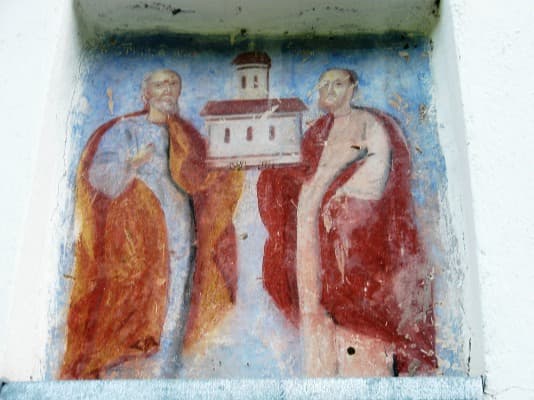
Church of Sts. Peter and Paul
The Church of Sts. Peter and Paul, also known as the Cave Church, is a Serbian Orthodox cave-church situated on Mount Kopaonik in southern Serbia. Constructed in the 14th century by King Milutin, it is dedicated to Saints Peter and Paul and forms part of the Monastery of St. Archangel Gabriel.

Ježevica Monastery
Ježevica Monastery is a Serbian Orthodox monastery situated near the village of Ježevica, south of Čačak, Serbia, dedicated to St. Nicholas. While tradition attributes its founding to King Stefan Milutin, historical records suggest a nobleman in service to King Stefan Dušan founded it in 1337. The monastery's interior was adorned with paintings in the early 17th century, and a Baroque bell tower was added in the 19th century, making it a significant cultural heritage site.

Kaona Monastery
The Kaona Monastery is a Serbian Orthodox monastery dedicated to the Holy Archangel Michael, founded in the 14th century. It holds significant historical importance, having played a role in the First Serbian Uprising and serving as a shelter during World War II. The monastery features a bell tower and a church rebuilt in the Byzantine style in 1892, and it houses relics of the Venerable Mother Paraskeva.