
Villers-la-Ville Abbey
Villers Abbey, a former Cistercian monastery in Belgium, was established in 1146 and abandoned in 1796, with most of its structures now in ruins. Once a significant center with extensive lands and a large monastic population, it suffered decline from the 16th century onwards due to various conflicts and diminishing wealth. Today, its impressive ruins are a classified heritage site and a popular tourist destination, hosting cultural events.
Key Facts
- ›Founded in 1146 by twelve Cistercian monks from Clairvaux.
- ›Reached its zenith in the 13th century, with an estimated 100 monks and 300 lay brothers.
- ›Suffered damage from Spanish troops in 1544, with partial restoration in 1587.
- ›Abandoned in 1796 following the French Revolution.
- ›The ruins are now classified as part of Wallonia's Major Heritage.
- ›Hosts an annual choir festival, 'La Nuit des Chœurs'.

Cistercian Gothic
Church Ruins, Cloister, Refectory, Kitchens, Dormitories, Brewing House, Rose Windows
Abbaye De Villers
Gauthier De Marbais, CrisóStomo HenríQuez, Henry Ii, Duke of Brabant, Sophie of Thuringia, Duchess of Brabant, John Iii, Duke of Brabant, Gobert of Aspremont, Juliana of LièGe, Anne of Kiev
- Founded In 1146
- Choir Constructed By 1217
- Crypt Constructed By 1240
- Refectory Constructed By 1267
- Church Construction Completed By the End of the 13th Century
- Damaged By Spanish Tercios In 1544
- Partially Restored In 1587
- Abandoned In 1796
- Railway Line Passed Through Grounds In 1855
- Purchased By Belgian State In 1893
- Classed As An Official Historic Site In 1973
About Villers-la-Ville Abbey
Villers Abbey
Villers Abbey (Abbaye de Villers) is a former Cistercian monastery situated in the town of Villers-la-Ville, Walloon Brabant, Belgium. Founded in 1146, the abbey flourished for centuries before its abandonment in 1796. Today, the extensive remains of Villers Abbey are a significant historical site, classified as part of Wallonia's Major Heritage, and are open to the public.
History and Decline
The abbey was established by twelve Cistercian monks and three lay brothers who came from Clairvaux. Initial sites were developed before construction of the current abbey began in the 13th century, with the choir completed by 1217, the crypt by 1240, and the refectory by 1267. The main church took seventy years to build and was finished by the end of the century. At its peak, the abbey was home to approximately 100 monks and 300 lay brothers, with its lands extending over 100 square kilometers. A period of decline began in the 16th century, exacerbated by conflicts in the Low Countries; Spanish troops caused considerable damage in 1544, necessitating partial restoration in 1587. The abbey's fortunes continued to wane through the 17th and 18th centuries, with dwindling numbers of monks and wealth, ultimately leading to its abandonment in 1796 during the French Revolution.
Preservation and Modern Use
Further degradation occurred in 1855 when a railway line was constructed through the former abbatial grounds. In 1893, the Belgian state acquired the site and initiated conservation efforts. Designated an official historic site in 1973, the abbey has undergone considerable restoration. The visible remains include the cloister, refectory, kitchens, dormitories, and brewing house, all maintained by the Association pour la Promotion Touristique et Culturelle de Villers (APTCV) since 1992. The church ruins, despite their state, are a notable example of Cistercian architecture, featuring impressive vaulting, arches, and rose windows. Villers Abbey now serves as a venue for cultural events, most notably the annual choir festival 'La Nuit des Chœurs'.
Source: Wikipedia ↗
Frequently Asked Questions
When was Villers Abbey founded?
Villers Abbey was founded in 1146. Twelve Cistercian monks and three lay brothers arrived to establish the abbey on land granted by Gauthier de Marbais.
What is the current status of Villers Abbey?
Villers Abbey is now a former abbey, largely in ruins. The site belongs to the Walloon Region and is classified as part of Wallonia's Major Heritage. It is open to the public and hosts cultural events.
What architectural style is Villers Abbey representative of?
The church at Villers Abbey, though in ruins, is considered an outstanding example of Cistercian Gothic architecture. It features imposing vaulting, arches, and rose windows.
What significant historical figures are buried at Villers Abbey?
Several notable figures are buried at Villers Abbey, including Henry II, Duke of Brabant; Sophie of Thuringia, Duchess of Brabant; and John III, Duke of Brabant. Juliana of Liège is also interred there, and Anne of Kiev's burial is disputed.
What events take place at Villers Abbey today?
The abbey ruins host an annual choir festival called 'La Nuit des Chœurs'. This event features various choirs performing diverse musical genres across different parts of the grounds over successive nights.
Related Monasteries

Villers Abbey
Villers Abbey, a former Cistercian monastery located in Belgium, was founded in 1146 and abandoned in 1796. Once a significant religious and economic center, the abbey's extensive ruins are now classified as part of Wallonia's Major Heritage. The site has undergone considerable restoration and is a popular tourist destination, hosting cultural events.
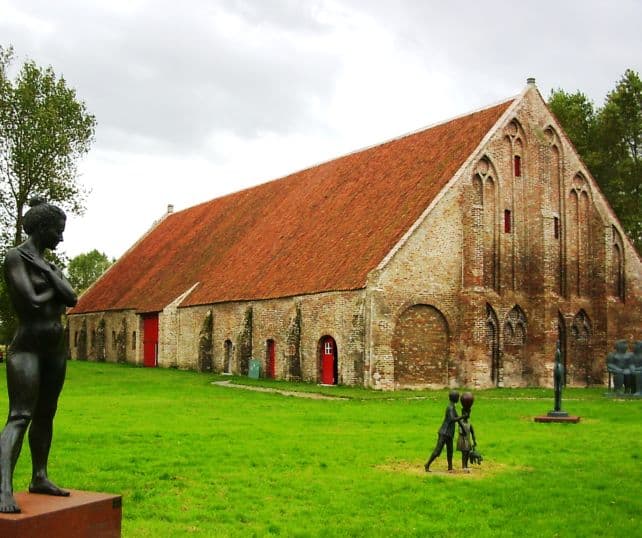
Ter Doest Abbey
Ter Doest Abbey was a significant Cistercian monastery located in Lissewege, Belgium, which played a crucial role in land reclamation and the wool trade. Founded in 1106 and later affiliating with the Cistercian order, it housed notable figures and was dissolved during the French Revolution. Today, its most prominent surviving structure is the massive tithe barn.

Cambron Abbey
Cambron Abbey was a prominent Cistercian monastery founded in 1148 in Hainaut, Belgium. It grew to become one of the wealthiest abbeys in the region, known for its intellectual contributions and the popular devotion to Our Lady of Cambron. Despite periods of wealth and renovation, it was dissolved in 1789 by Emperor Joseph II, with its remnants now incorporated into the Pairi Daiza zoo and botanical garden.