
Villers Abbey
Villers Abbey, a former Cistercian monastery located in Belgium, was founded in 1146 and abandoned in 1796. Once a significant religious and economic center, the abbey's extensive ruins are now classified as part of Wallonia's Major Heritage. The site has undergone considerable restoration and is a popular tourist destination, hosting cultural events.
Key Facts
- ›Founded in 1146 by twelve monks and three lay brothers from Clairvaux.
- ›Reached its peak in the 13th century with an estimated 100 monks and 300 lay brothers.
- ›Suffered damage during the campaign of 1544 and was partially restored in 1587.
- ›Abandoned in 1796 following the French Revolution.
- ›Purchased by the Belgian state in 1893 for conservation and restoration.
- ›The ruins are classified as Wallonia's Major Heritage.

Gothic, Cistercian
Church Ruins, Cloister, Refectory, Kitchens, Dormitories, Brewing House, Rose Windows, Imposing Vaulting and Arches
Abbaye De Villers
Gauthier De Marbais, Henry Ii, Duke of Brabant, Sophie of Thuringia, Duchess of Brabant, John Iii, Duke of Brabant, Gobert of Aspremont, Juliana of LièGe, Anne of Kiev
Founded In 1146, Damaged By Spanish Tercios In 1544, Partially Restored In 1587, Abandoned In 1796, Railway Line Passed Through Grounds In 1855, Purchased By Belgian State In 1893, Classed As An Official Historic Site In 1973
About Villers Abbey
Villers Abbey: A Monument to Cistercian History
Villers Abbey, known in French as Abbaye de Villers, is a significant former Cistercian monastery situated in Villers-la-Ville, Walloon Brabant, Belgium. Established in 1146 by monks from Clairvaux, the abbey flourished for centuries, becoming a prominent religious and economic center. Its extensive monastic complex, particularly the Gothic architecture of its church, represents a notable example of Cistercian building traditions.
History and Development
The abbey's foundation in 1146 marked the beginning of its rise to prominence. Initial construction phases in the 13th century saw the completion of the choir by 1217, the crypt by 1240, and the refectory by 1267, with the church itself taking seventy years to build. At its zenith, Villers Abbey is estimated to have housed around 100 monks and 300 lay brothers, managing vast lands. However, the abbey's fortunes began to decline in the 16th century, partly due to conflicts in the Low Countries, which led to damage by Spanish troops in 1544. Despite partial restoration, its wealth and community size dwindled through the 17th and 18th centuries.
Dissolution and Preservation
The abbey was ultimately abandoned in 1796 following the French Revolution. Further degradation occurred in the mid-19th century when a railway line was constructed through the former abbatial grounds. Recognizing its historical importance, the Belgian state purchased the site in 1893 and initiated a conservation effort. Classified as an official historic site in 1973, Villers Abbey has since undergone considerable restoration. Today, the impressive ruins, including the cloister, refectory, kitchens, and dormitories, are maintained by the Association pour la Promotion Touristique et Culturelle de Villers (APTCV) and are classified as part of Wallonia's Major Heritage.
Legacy and Public Engagement
The remains of Villers Abbey stand as a testament to its past grandeur, offering visitors a glimpse into monastic life and medieval architecture. The site is open to the public and actively promotes cultural activities. Notably, it hosts the annual choir festival, La Nuit des Chœurs, which draws numerous choirs and audiences to perform and enjoy a variety of music amidst the historic ruins, often concluding with a fireworks display. Among the notable figures interred at the abbey are Henry II, Duke of Brabant, and Sophie of Thuringia, Duchess of Brabant.
Source: Wikipedia ↗
Frequently Asked Questions
When was Villers Abbey founded?
Villers Abbey was founded in 1146. Twelve Cistercian monks and three lay brothers established the abbey on land granted to them.
What is the current status of Villers Abbey?
Villers Abbey is now largely in ruins. The site is classified as part of Wallonia's Major Heritage and undergoes conservation and restoration efforts.
What architectural style is represented at Villers Abbey?
The church at Villers Abbey is considered an outstanding example of Cistercian architecture, particularly in its Gothic style, featuring imposing vaulting, arches, and rose windows.
What events are held at Villers Abbey?
The abbey hosts an annual choir festival called La Nuit des Chœurs. This event features various choirs performing diverse musical genres across different parts of the grounds, culminating in a fireworks display and concert.
Who is buried at Villers Abbey?
Several notable figures are buried at Villers Abbey, including Henry II, Duke of Brabant; Sophie of Thuringia, Duchess of Brabant; and John III, Duke of Brabant. Juliana of Liège is also interred there, and Anne of Kiev is disputed.
Related Monasteries

Villers-la-Ville Abbey
Villers Abbey, a former Cistercian monastery in Belgium, was established in 1146 and abandoned in 1796, with most of its structures now in ruins. Once a significant center with extensive lands and a large monastic population, it suffered decline from the 16th century onwards due to various conflicts and diminishing wealth. Today, its impressive ruins are a classified heritage site and a popular tourist destination, hosting cultural events.
Ter Doest Abbey
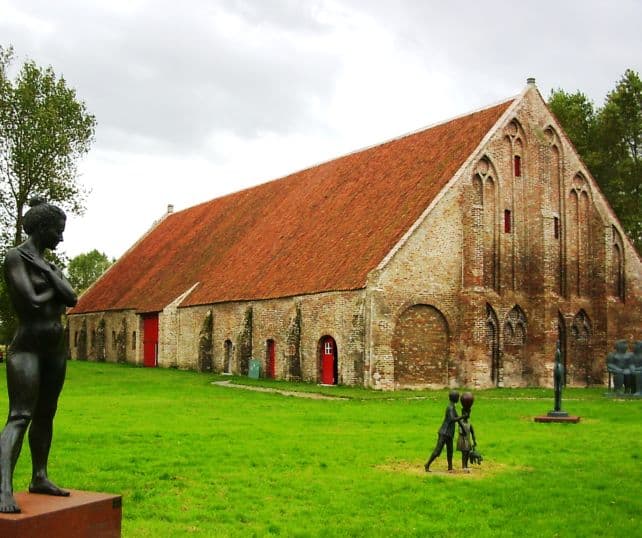
Ter Doest Abbey was a significant Cistercian monastery located in Lissewege, Belgium, which played a crucial role in land reclamation and the wool trade. Founded in 1106 and later affiliating with the Cistercian order, it housed notable figures and was dissolved during the French Revolution. Today, its most prominent surviving structure is the massive tithe barn.

Cambron Abbey
Cambron Abbey was a prominent Cistercian monastery founded in 1148 in Hainaut, Belgium. It grew to become one of the wealthiest abbeys in the region, known for its intellectual contributions and the popular devotion to Our Lady of Cambron. Despite periods of wealth and renovation, it was dissolved in 1789 by Emperor Joseph II, with its remnants now incorporated into the Pairi Daiza zoo and botanical garden.