
Vauluisant Abbey
Christian·France·Château/Museum (partially open)·12th century
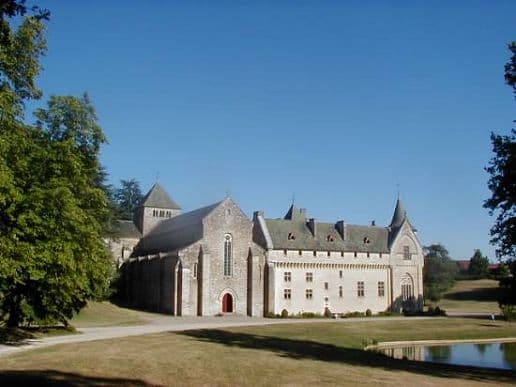
Vauluisant Abbey was a significant Cistercian monastery founded in 1127 in what is now Yonne, France. It became a self-sufficient economic center through agriculture, ironworks, and tile production, playing a role in regional trade. Despite suffering damage during wars and periods of disrepair due to commendatory abbots, the abbey underwent reconstructions and reforms, eventually being secularized and sold during the Revolution. Today, its remaining structures form the Château de Vauluisant, and parts are open to visitors.
Key Facts
- ›Founded in 1127 by monks from Preuilly Abbey.
- ›Became an economic hub with granges, ironworks, and tileworks.
- ›Suffered damage during the Hundred Years' War and French Wars of Religion.
- ›Underwent significant transformation and enlargement in the early 16th century.
- ›Secularized during the French Revolution and sold as national property.
- ›The remaining structures form the Château de Vauluisant.

Gothic, Baroque
Remains of the Fortified Gatehouse, Remains of the Abbot's Lodging, HôTel De Vauluisant In Troyes, HôTel De Vauluisant In Provins
Henri Sanglier, Antoine Pierre, Odet De Coligny, FrançOis I, Jacques De Savoie, 2nd Duc De Nemours, Cardinal Richelieu, Abbot Le Tellier, LéOpold Javal, M. Jean Gamby, Mme Viviane Demoulin Gamby
- Consecration of the Oratory
- Consecration of the Abbey Church
- Pillage During the Hundred Years' War
- Reconstruction In the 15th Century
- Transformation and Enlargement In the Early 16th Century
- Guest Visit By FrançOis I
- Birth of Jacques De Savoie, 2nd Duc De Nemours
- Damage During the French Wars of Religion
- Reform Imposed By Cardinal Richelieu
- Secularization and Sale During the Revolution
- Purchase By LéOpold Javal
- Discovery of A Roman Marble Head
- Modern Conservation Efforts
About Vauluisant Abbey
Vauluisant Abbey, situated near Courgenay in the Yonne department of France, was a prominent Cistercian monastery founded in 1127. Established by monks from Preuilly Abbey, it developed into a significant economic entity by the mid-12th century. The energetic Cistercians cultivated abbey lands through established granges, operated ironworks fueled by the surrounding woodlands, and produced tiles. The surplus from these endeavors was actively traded in nearby market towns, underscoring the abbey's commercial reach.
Historical Context and Development
The abbey endured considerable hardship during periods of conflict. It was attacked and pillaged multiple times during the Hundred Years' War, leading to repairs and rebuilding in the 15th century. In the early 16th century, under Abbot Antoine Pierre, Vauluisant underwent a significant transformation, with the addition of an enclosed park, a fortified gatehouse, a tithe barn, and new guest lodgings. The abbey also hosted notable figures, including King François I and Jacques de Savoie, 2nd Duc de Nemours, who was born there in 1531. However, the practice of commendatory abbots led to disrepair.
Further damage occurred during the French Wars of Religion, with the abbey church being partially destroyed and the site subjected to repeated pillaging. A reform was imposed in 1636 by Cardinal Richelieu. A 1692 bird's-eye view provides a valuable record of the abbey's structures at that time. Restoration programs in the 18th century were funded by the sale of timber from the abbey's forests.
Post-Revolution and Modern Era
Vauluisant Abbey was secularized during the French Revolution and sold as national property. In 1835, it was acquired by banker Léopold Javal, who modernized the estate. By this time, most of the original monastic structures had been demolished, leaving behind the range of visitor lodgings and the remains of the abbot's lodging, which now forms the Château de Vauluisant. Significant garden work was also undertaken. Modern conservation efforts have focused on the former chapel of St. Mary Magdalene and the grange and commons. Vauluisant is currently privately owned and accessible to visitors on Sunday afternoons from April to October. The discovery of a Roman marble head on the site in the mid-19th century indicates that the location was also occupied by a Roman villa.
Source: Wikipedia ↗
Frequently Asked Questions
When was Vauluisant Abbey founded?
Vauluisant Abbey was founded in 1127. The abbey church itself was consecrated in 1149, and by 1140, the monastery was fully operational.
What was the economic importance of Vauluisant Abbey?
Vauluisant Abbey was a notable economic center, establishing granges for agriculture and ironworks fueled by local woodlands. The surplus produce was sold in market towns like Troyes and Provins.
What happened to Vauluisant Abbey during periods of conflict?
The abbey suffered significant damage during the Hundred Years' War, with its mills destroyed and structures pillaged. It faced further damage during the French Wars of Religion, with the abbey church partially destroyed in 1562 and multiple episodes of pillaging.
What is the current status of Vauluisant Abbey?
Vauluisant Abbey was secularized during the Revolution and sold. Today, its remaining structures constitute the Château de Vauluisant, and parts of the site are open to visitors.
Are there any notable discoveries associated with Vauluisant Abbey?
Yes, a Roman marble head of the Diadumenos type was discovered at Vauluisant in the mid-19th century. This find suggests the site was once a Roman villa.
Related Monasteries
Abbey of Loc-Dieu
Abbey of Loc-Dieu is a Cistercian abbey situated in Aveyron, France, founded in 1123 on a site historically known as "devil's place" before being renamed "place of God" by its monastic inhabitants. Despite facing destruction and rebuilding, it became a significant Gothic architectural site and, during World War II, served as a safe haven for artworks from the Louvre, including the Mona Lisa. Today, the abbey and its park are open to the public.

Cadouin Abbey
Cadouin Abbey was a Cistercian monastery founded in 1115 as a hermitage. It rose to prominence as a major pilgrimage site due to its possession of a relic believed to be the Sudarium of Christ, attracting significant prestige and wealth. The abbey was dissolved during the French Revolution in 1791, with its assets looted and library destroyed, though its church still remains.

Flaran Abbey
Flaran Abbey, a former Cistercian monastery located near Valence-sur-Baïse in Gers, France, was founded in 1151 as a daughter house of Escaladieu Abbey. It flourished in the Middle Ages, even co-founding the town of Valence-sur-Baïse, but suffered damage during historical conflicts and was suppressed during the French Revolution. Today, after extensive restoration, it stands as one of the best-preserved abbeys in southwestern France and hosts cultural activities and an exhibition on the Way of St. James.