
Varna Abbey
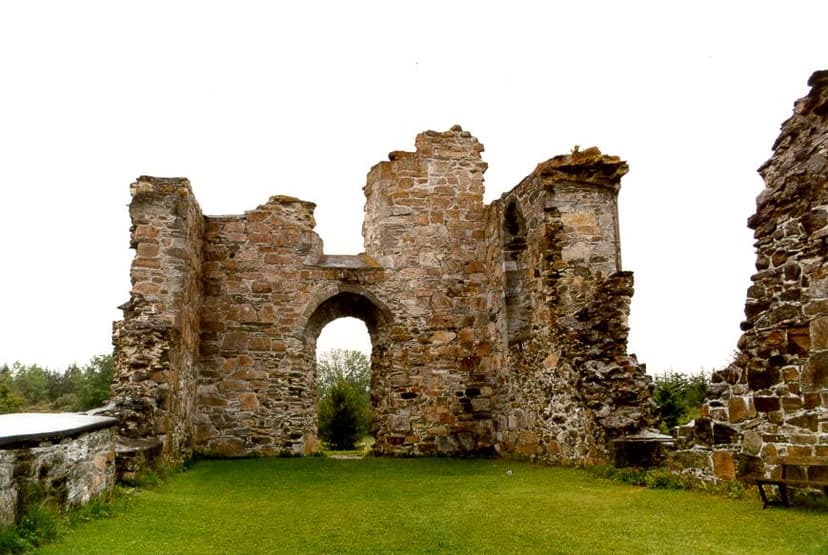
Varna Abbey, originally a royal estate, was established as a Knights Hospitaller abbey around 1200 by King Sverre of Norway. It also functioned as a hospital for the royal army. The abbey was disestablished in 1532 and its buildings were later destroyed by fire in 1570. Today, only ruins of the monastery remain at the site, which is now a manor and former abbey in Østfold, Norway.
Key Facts
- ›Established as a Knights Hospitaller abbey around 1200 by King Sverre of Norway.
- ›Originally a Kongsgård estate.
- ›Served as a hospital for the king's army until 1308.
- ›Became a place of pilgrimage.
- ›Disestablished and placed under the crown in 1532.
- ›Buildings were burned down in 1570 during the Northern seven Years' War.

Ruins of the Former Abbey
King Sverre of Norway, King Haakon V
- Establishment of the Knights Hospitaller Abbey
- Served As A Hospital For the King's Army
- Disestablishment and Placed Under the Crown
- Buildings Burned Down During the Northern Seven Years' War
About Varna Abbey
Varna Abbey, situated in Rygge, Østfold, Norway, is a historical site that was originally a royal estate known as a Kongsgård. Around the year 1200, King Sverre of Norway established it as an abbey for the Knights Hospitaller. For a period, Varna Abbey also served a practical military purpose, functioning as a hospital for the king's army until 1308.
History and Significance
The abbey developed into a place of pilgrimage, drawing visitors for religious devotion. Its status as a monastic institution concluded in 1532 when it was disestablished and brought under the direct control of the crown. The physical structures of Varna Abbey met a destructive end in 1570; they were burned down amidst the conflict of the Northern Seven Years' War. Following this, the manor and its adjacent lands were leased until 1675, after which they were privatized. Early antiquarian interest in the ruins emerged in 1812 with a study by Lorentz Diderich Kluwer.
Source: Wikipedia ↗
Frequently Asked Questions
When was Varna Abbey founded?
Varna Abbey was established around the year 1200 by King Sverre of Norway.
What was the original purpose of Varna Abbey?
Originally a royal estate (Kongsgård), it was established as an abbey and also served as a hospital for the king's army.
What is the current status of Varna Abbey?
Today, only ruins of the monastery remain. The site is now a manor with adjacent farms.
What led to the destruction of Varna Abbey's buildings?
The buildings were burned down in 1570 in connection with the Northern Seven Years' War.
Who established Varna Abbey?
Varna Abbey was established by King Sverre of Norway.
Related Monasteries
Tautra Abbey
Tautra Abbey was a significant Cistercian monastery established in 13th century Norway, playing a notable role in the country's politics until its dissolution during the Reformation. Today, the well-preserved ruins of the medieval church serve as a popular tourist attraction, while a new Trappistine community, Tautra Monastery, was founded nearby in 1999, marking the return of Cistercian life to Norway.

Hovedøya Abbey
Hovedøya Abbey was a significant medieval Cistercian monastery located on the island of Hovedøya in the Oslofjord, Norway. Founded in 1147 by monks from England, it quickly became one of the wealthiest institutions in Norway during the medieval period. The abbey's existence was brought to an end by political turmoil and the Reformation, with its buildings later quarried for stone, leaving behind some of the most complete monastic ruins in Norway.
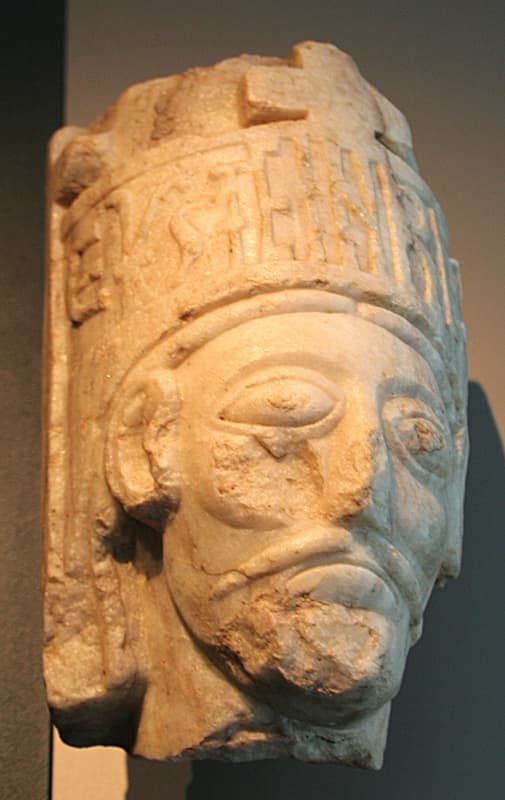
Munkeliv Abbey
Munkeliv Abbey was a prominent Benedictine monastery founded around 1110 in Bergen, Norway. It was one of the country's oldest, wealthiest, and most well-documented monastic institutions. Despite facing significant challenges from plague and pirate attacks, the abbey underwent transformations, including a period as a Bridgettine double house, before its final destruction by fire in 1536 during the Protestant Reformation.