
Temple Ewell Preceptory
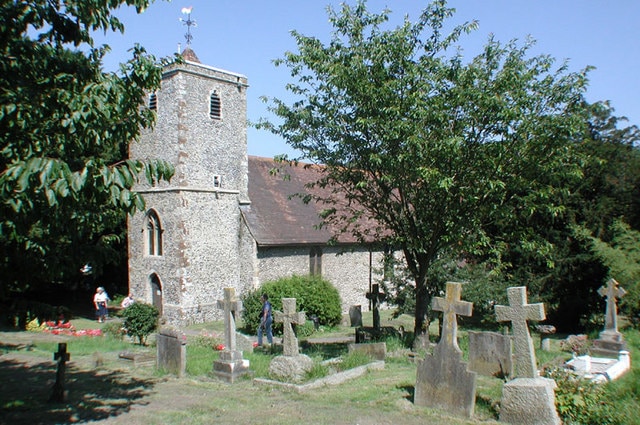
Temple Ewell Preceptory was a Knights Templar preceptory located in Temple Ewell, on the northern outskirts of Dover, Kent, England. Founded in 1163, it replaced an earlier Saxon wooden church with a Norman stone structure. Following the suppression of the Templars, the site was held by the Knights Hospitaller until its dissolution in 1535. Today, no above-ground structures remain, though excavations have uncovered medieval artifacts.
Key Facts
- ›Established by the Knights Templar in 1163.
- ›Replaced a Saxon wooden church with a Norman stone church.
- ›Site was later occupied by the Knights Hospitaller after the Templars' suppression.
- ›Dissolved in 1535.
- ›No above-ground structures remain today.
- ›Excavations in the 19th century revealed medieval tiles and ironwork.
Norman
Norman Stone Church, Medieval Tiles and Ironwork
Suppression of the Knights Templar, Dissolution of the Monasteries
About Temple Ewell Preceptory
Temple Ewell Preceptory was a significant religious and military establishment belonging to the Knights Templar, situated in Temple Ewell on the northern outskirts of Dover in Kent, England. The site's history predates the Templars, with evidence of a wooden church existing there since Saxon times, located by the ancient road connecting London and Dover.
Founding and Development
The Knights Templar acquired the manor of Ewell in 1163. They subsequently replaced the original wooden church with a more substantial Norman-style structure built of stone, indicating a period of development and consolidation for the preceptory. This marked the establishment of the Templar presence on the site.
Later History and Dissolution
Following the suppression of the Knights Templar in 1312, the preceptory's administration and ownership transitioned to the Knights Hospitaller. This order continued to occupy and manage the site until its eventual dissolution in 1535 as part of the wider Dissolution of the Monasteries under King Henry VIII. Tragically, the remaining structures of Temple Ewell Preceptory were demolished in the 18th century, leaving no visible remnants above ground.
Archaeological Findings
Despite the lack of standing structures, archaeological investigations have provided insights into the preceptory's past. Excavations conducted at Temple Farm in 1864 and 1866 unearthed medieval tiles and ironwork, offering tangible evidence of the medieval occupation and use of the site.
Source: Wikipedia ↗
Frequently Asked Questions
When was Temple Ewell Preceptory founded?
Temple Ewell Preceptory was founded in 1163 by the Knights Templar. This was after they acquired the manor of Ewell.
What was at the site before the Knights Templar?
Before the Knights Templar acquired the manor, there had been a wooden church at the site since Saxon times. This church was located by the ancient road from London to Dover.
What happened to Temple Ewell Preceptory after the Knights Templar?
After the Knights Templar were suppressed in 1312, the site was taken over by the Knights Hospitaller. They held the preceptory until it was dissolved in 1535.
Are there any remains of Temple Ewell Preceptory today?
No structures from Temple Ewell Preceptory remain above ground today. The remaining buildings were demolished in the 18th century. However, excavations in the mid-19th century did uncover some medieval tiles and ironwork.
Related Monasteries
Aldgate Priory
Holy Trinity Priory, also known as Christchurch Aldgate, was an Augustinian priory founded around 1108 by Queen Matilda of Scotland near Aldgate in London. It held significant ties to English royalty, with several queens maintaining a close relationship with the priory and some royal children buried there. The priory was a center of learning in the 12th century and played a role in civic life, with its prior serving as an Alderman of London. It was dissolved in 1532 and its buildings have since been largely lost, with only remnants surviving.

Ankerwycke Priory
Ankerwycke Priory was a small and relatively poor Benedictine nunnery established around 1160 in Buckinghamshire, England. Dedicated to St. Mary Magdalene, it held lands across several counties. Dissolved in 1536, its revenues were transferred to Bisham Abbey, and the priory site later saw the construction of a manor house. Today, only a small section of ruins remains, situated in Berkshire.

Arthington Priory
Arthington Priory was an English monastery for nuns of the Cluniac congregation, located in Arthington, West Yorkshire, and founded in the mid-12th century. It was one of only two Cluniac nunneries in England. The priory experienced periods of disciplinary issues among its nuns and prioresses, as documented by Archbishop William Greenfield's visits and injunctions. Following the Dissolution of the Monasteries under Henry VIII, the priory was surrendered in 1540, and its lands were eventually granted to Archbishop Thomas Cranmer. Today, little remains of the original priory structures, with a residence known as Arthington Hall built on the site around 1585, and the priory church potentially occupied by a farmhouse named The Nunnery.