
Solières Abbey
Solières Abbey was a former Cistercian nunnery in Wallonia, Belgium, with a complex history dating back to the late 12th century. Initially founded as an Augustinian community, it later affiliated with the Cistercians. The abbey was dissolved during the French Revolution, and its former abbess's residence was converted into a mansion known as the Château de l'Abbaye de Solières. Despite its historical significance and protected monument status, the building is currently in a poor state of repair.
Key Facts
- ›Founded in the late 12th century as an Augustinian community.
- ›Affiliated with the Cistercian order in 1229.
- ›Dissolved in 1795 during the French Revolution.
- ›The former abbess's residence was converted into a mansion called Château de L'Abbaye de Solières.
- ›The building is a protected Walloon monument but is in poor condition.
- ›Previously used as a home for handicapped boys under the name L'Heureux Abri.

ChâTeau De L'Abbaye De SolièRes, L'Heureux Abri
Abbaye De SolièRes
Peter the Hermit
French Revolution
About Solières Abbey
Solières Abbey, known in French as Abbaye de Solières, is a historical monastic site located in Wallonia, Belgium. Established in the late 12th century, it began as an Augustinian community before affiliating with the Cistercian order in 1229. The abbey's history is marked by its dissolution during the tumultuous French Revolution in 1795, after which its assets were dispersed.
History and Transformation
The abbey's original structures largely met their end following its dissolution. However, the abbess's residence, a building dating from 1658, survived. The purchaser of this residence transformed it into a private mansion, subsequently known as the Château de l'Abbaye de Solières. This structure later served a charitable purpose, housing mentally and physically handicapped boys under the name L'Heureux Abri from 1935 until 1999. Today, it has returned to private ownership and is once again referred to as the Château de l'Abbaye de Solières. While recognized as a protected Walloon monument, the building is noted to be in a significantly poor state of repair.
Source: Wikipedia ↗
Frequently Asked Questions
When was Solières Abbey founded?
Solières Abbey was founded in the late 12th century. Tradition suggests it may have been founded in 1100 AD by Peter the Hermit upon his return from the First Crusade.
What religious order was Solières Abbey part of?
Solières Abbey was initially founded as an Augustinian community. It later affiliated itself with the Cistercians in 1229.
What happened to Solières Abbey during the French Revolution?
The abbey was dissolved in 1795 during the French Revolution. Its properties were sold off as national assets in 1797.
What is the current status of the former abbey buildings?
The church and most conventual buildings were demolished. The former abbess's residence, built in 1658, was converted into a mansion known as the Château de l'Abbaye de Solières. It is a protected Walloon monument but is in a very poor state of repair.
Has the former abbey building been used for other purposes?
Yes, in 1935 it was purchased and used as a home for mentally and physically handicapped boys under the name L'Heureux Abri. It returned to private ownership in 1999.
Related Monasteries
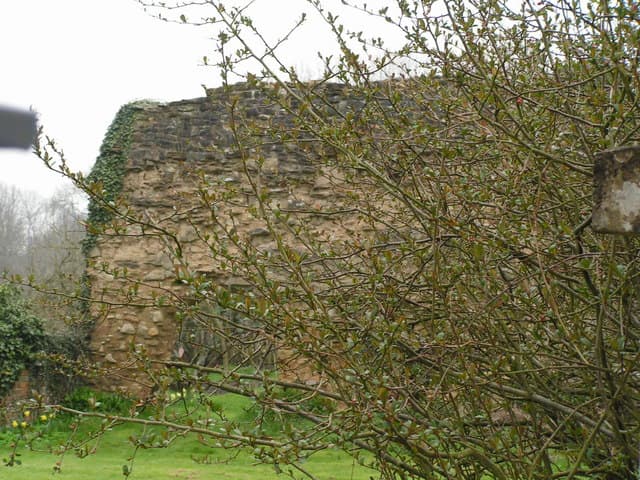
Robertsbridge Abbey
Robertsbridge Abbey was a Cistercian monastery located in Robertsbridge, East Sussex, England, founded in 1176 by Alured and Alicia de St Martin. Despite its founding, the abbey was never particularly wealthy or influential due to its vulnerable location, which frequently suffered from the effects of the sea. It was ultimately dissolved in 1538 during the Dissolution of the Monasteries, with its property subsequently passing to Sir William Sydney.

Ninove Abbey
Ninove Abbey was a Premonstratensian monastery established in 1137 in Ninove, Belgium. Initially founded by Gerard I, Lord of Ninove, it grew significantly, with its monks cultivating uncultivated lands near the town. Although damaged during the Eighty Years' War and suppressed during the French period, the abbey church was preserved and repurposed as a parish church.

Ten Duinen Abbey
Ten Duinen Abbey, also known as the Abbey of the Dunes, was a historically rich and influential Cistercian monastery located in Koksijde, Belgium. Founded in the 12th century, it grew to become one of the wealthiest religious institutions in medieval Flanders through donations and extensive land reclamation. The abbey faced significant destruction during religious conflicts but was re-established in Bruges, where it continued its monastic life until its suppression in the late 18th century. Today, its medieval ruins in Koksijde are preserved as a museum site.