
Solesmes
Solesmes is a commune in northwestern France, primarily known as the location of the Benedictine Abbey of Saint Peter. Founded in 1010, the abbey was suppressed during the French Revolution but re-established in 1833 by Dom Prosper Guéranger. A second Benedictine abbey for women, Saint Cecilia's, is also situated in Solesmes.
Key Facts
- ›Site of the Benedictine Abbey of Saint Peter.
- ›Abbey of Saint Peter was founded in 1010.
- ›The abbey was suppressed in 1791 and re-established in 1833.
- ›Dom Prosper Guéranger re-established the abbey.
- ›Also home to Saint Cecilia's Abbey, a Benedictine community for women.
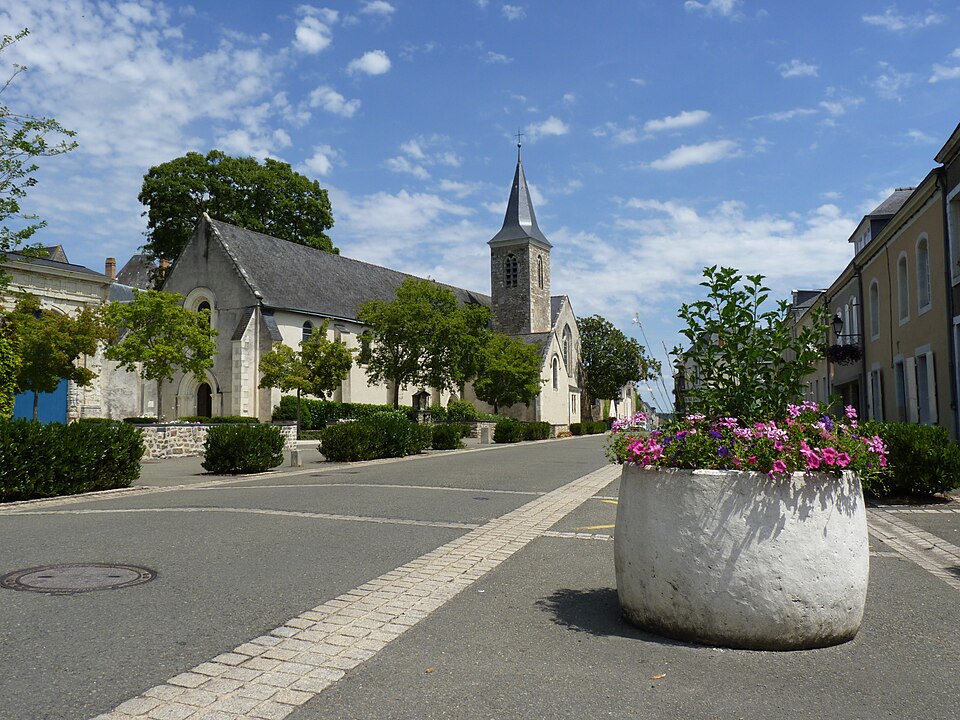
Abbey of Saint Peter, Saint Cecilia's Abbey
Dom Prosper GuéRanger
- Suppression By the National Constituent Assembly In 1791
- Re-Establishment In 1833
About Solesmes
Solesmes is a commune situated in the Sarthe department and Pays de la Loire region of northwestern France. It is a region characterized by its agricultural landscape and is most famously known as the site of the Benedictine Abbey of Saint Peter.
History of the Abbey
The Abbey of Saint Peter in Solesmes boasts a long and significant history, with its origins dating back to its founding in 1010. The monastic community flourished for centuries until it was suppressed by the National Constituent Assembly in 1791 during the tumultuous period of the French Revolution. However, the monastic tradition was not extinguished; the abbey was re-established in 1833 by the influential figure Dom Prosper Guéranger, marking a revival of Benedictine life at Solesmes.
Modern Significance
Today, Solesmes continues to be a vital center for Benedictine monasticism. In addition to the historic Abbey of Saint Peter, the commune is also home to Saint Cecilia's Abbey, a Benedictine community established for women. The re-establishment of the abbey by Dom Prosper Guéranger is particularly noteworthy for its role in the broader renewal of Benedictine observance in the 19th century.
Source: Wikipedia ↗
Frequently Asked Questions
What is Solesmes famous for?
Solesmes is primarily renowned as the location of the Benedictine Abbey of Saint Peter. This historic abbey has played a significant role in the revival of Benedictine monasticism in France.
When was the Abbey of Saint Peter founded?
The Abbey of Saint Peter in Solesmes was originally founded in the year 1010. It has a long and rich history dating back to the early medieval period.
What happened to the Abbey of Saint Peter during the French Revolution?
During the French Revolution, the Abbey of Saint Peter was suppressed by the National Constituent Assembly in 1791. This led to a period of closure for the monastic community.
Who re-established the Abbey of Saint Peter?
The Abbey of Saint Peter was re-established in 1833 by Dom Prosper Guéranger. His efforts were instrumental in restoring the Benedictine tradition at Solesmes.
Are there other abbeys in Solesmes?
Yes, in addition to the Abbey of Saint Peter, Solesmes is also home to Saint Cecilia's Abbey. This is another Benedictine community, specifically for women.
Related Monasteries

Fontgombault Abbey
Fontgombault Abbey is a Benedictine monastery located in Fontgombault, France, known for its Romanesque architecture and its rich history spanning nearly a millennium. Founded in 1091, it has experienced periods of growth, destruction, dissolution, and refounding, most recently in 1948 by monks from Solesmes Abbey. Today, it is a thriving community within the Solesmes Congregation, dedicated to Gregorian chant and the traditional Latin Mass.

Tournay Abbey
Tournay Abbey is an active Benedictine monastery located in Tournay, Hautes-Pyrénées, France. Originally a priory established in the 11th century, it was elevated to an abbey in the 17th century before being suppressed during the French Revolution. A new monastic community was re-established in the 1930s and eventually settled at the current site in Tournay in 1952, with construction of the modern monastery completed in 1958.

Bec Abbey
Bec Abbey, formally the Abbey of Our Lady of Bec, was a highly influential Benedictine monastic foundation in Normandy, France. Founded in 1034 by Saint Herluin, it became a major center of intellectual life in the 11th century, particularly under Abbots Lanfranc and Anselm, who both later became Archbishops of Canterbury. Although damaged during the Wars of Religion and largely ruined by the French Revolution, the site was re-established in 1948 and is known today for its pottery and ecumenical links.