
Scourmont Abbey
Scourmont Abbey, also known as Abbaye Notre-Dame de Scourmont, is a Trappist monastery located on the Scourmont plateau in Chimay, Belgium. Famous for its spiritual life and the production of Trappist beer and cheese under the Chimay brand, the abbey was founded in 1850. Despite early challenges including criminal acts by some monks and the arduous task of cultivating the land, Scourmont grew to become an abbey in 1871 and has since founded other monasteries.
Key Facts
- ›Founded in 1850 by monks from Westvleteren Abbey.
- ›Famous for producing Chimay beers and cheeses.
- ›Elevated to the status of abbey in 1871 by Pope Pius IX.
- ›Established a school and model farm to aid orphans and delinquents.
- ›The present church was built in 1950.
- ›Has founded other monasteries, including Caldey Abbey and Notre Dame de Mokotoin.

Chimay Brewery, Chimay Cheese Dairy
Abbaye Notre-Dame De Scourmont
Jean-Baptiste Jourdain, Joseph Ii De Chimay, Modeste Decroix, FrançOis Robyn, Joseph-Marie Canivez, Bernard De Give
- Foundation of the Priory
- Conviction of Monks For Sexual Assault and Abuse
- Arson By A Monk
- Elevation To Abbey Status
- Founding of Caldey Abbey
- Founding of Notre Dame De Mokotoin
- Construction of the Present Church
About Scourmont Abbey
Scourmont Abbey, officially known as Abbaye Notre-Dame de Scourmont, is a significant Trappist monastery situated on the Scourmont plateau in the province of Hainaut, Belgium. Established in 1850 by a group of monks from Westvleteren Abbey, it has become a prominent center for spiritual life and a renowned producer of Trappist products.
History and Development
The initiative to establish a monastery on the challenging Scourmont plateau was championed by Father Jean-Baptiste Jourdain, who secured support from Prince Joseph II de Chimay. Despite initial failures to cultivate the barren land, the monks persevered. Their early efforts included establishing a school and model farm, intended to train orphans and rehabilitate delinquents. However, the abbey's formative years were marred by serious criminal acts committed by some of its members, including sexual assault and arson, which led to severe legal consequences for the individuals involved.
Transforming the land into fertile farmland required immense effort. Alongside agriculture, the monks developed a thriving cheese dairy and a brewery. Recognizing its growth and spiritual significance, Pope Pius IX granted Scourmont priory the status of an abbey on February 24, 1871, with its formal inauguration taking place on July 7, 1871. The present church structure was completed in 1950.
Trappist Traditions and Products
Life at Scourmont Abbey is deeply rooted in the Trappist tradition, characterized by a balance of prayer, reading, and manual labor. The abbey is perhaps most widely recognized for its commercial enterprises, which have achieved international acclaim. The beers and cheeses produced at Scourmont are marketed under the well-known brand name "Chimay," named after the local village. These products have become synonymous with authentic Trappist brewing and cheesemaking.
Foundations and Notable Figures
Scourmont Abbey has played a role in the expansion of monastic life, having founded other monasteries. Notable among these are Caldey Abbey on Caldey Island in Wales, which was taken over from Benedictines in 1928, and Notre Dame de Mokotoin near Goma in the former Belgian Congo, founded in 1954.
The community has also been home to figures who have made contributions beyond the abbey walls. Joseph-Marie Canivez, who joined in 1899, became a distinguished monastic historian. More recently, Bernard de Give, a Jesuit philologist and philosopher, joined the community in 1977.
Source: Wikipedia ↗
Frequently Asked Questions
When was Scourmont Abbey founded?
Scourmont Abbey was founded on July 25, 1850, when a small group of monks from Westvleteren Abbey settled on the Scourmont plateau. The priory was granted the status of abbey on February 24, 1871.
What is Scourmont Abbey famous for?
Scourmont Abbey is renowned for its spiritual life, adhering to the Trappist principles of prayer, reading, and manual work. It is also widely known for its commercial activities, specifically the production of Chimay beers and cheeses, which are marketed under the Chimay trade name.
What were some early challenges at Scourmont Abbey?
The early years of the abbey were marked by significant difficulties. The plateau was barren and required extensive work to cultivate. Furthermore, the community faced severe internal issues, including criminal acts such as sexual assault and arson committed by some members, leading to legal sentences for them.
Has Scourmont Abbey founded other monasteries?
Yes, Scourmont Abbey has been instrumental in the founding of other monastic communities. Notable foundations include Caldey Abbey on Caldey Island in Wales and Notre Dame de Mokotoin near Goma in the former Belgian Congo.
What is the current status of Scourmont Abbey?
Scourmont Abbey remains an active Trappist monastery, continuing its traditions of prayer, work, and the production of its famous beers and cheeses. The current church dates from 1950.
Related Monasteries

New Melleray Abbey
New Melleray Abbey, located near Dubuque, Iowa, is a Trappist monastery established in 1849 by monks from Mount Melleray Abbey in Ireland. It has served the religious needs of the surrounding region for over a century and is notable for its Gothic Revival architecture, a significantly renovated chapel, and its business producing Trappist Caskets. The abbey continues to house an active monastic community dedicated to prayer, work, and contemplation.

Timadeuc Abbey
Timadeuc Abbey, officially the Abbey of Notre-Dame de Timadeuc, is a Trappist monastery founded in 1841 in Bréhan, Brittany, France. It was established by monks from La Trappe Abbey, with its location chosen by Dom Joseph Hercelin. The abbey has a complex history, including periods of construction, damage from arson, and legal challenges, but also played a significant role in the French Resistance during World War II.
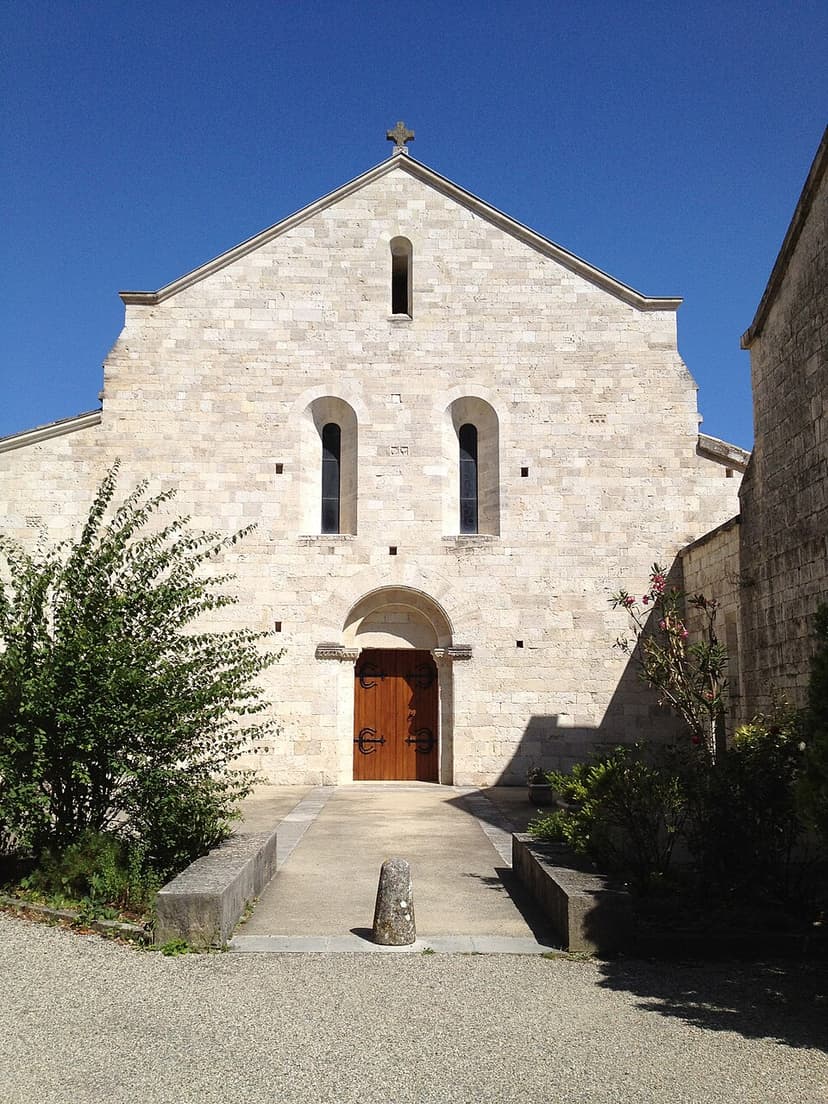
Aiguebelle Abbey
Aiguebelle Abbey, officially Abbaye Notre-Dame d'Aiguebelle, is a Trappist monastery located in the Drôme department of France, on the historical borders of Dauphiné and Provence. Originally founded as a Benedictine monastery in 1045, it was re-established as a Cistercian house in 1137 and later refounded as a Trappist monastery in 1815. The abbey is notable for preserving many of its medieval buildings and for its significant role in establishing numerous daughter houses across the globe.