
Säben Abbey
Christian·Italy·former monastic site·17th century
Säben Abbey was a Benedictine nunnery located near Klausen in South Tyrol, northern Italy, operational from 1687 until 2021. Situated on a historically significant hill known as the 'holy mountain,' the site previously hosted a bishopric from the 6th century to around 960 and later served as a fortress. The modern abbey was established by nuns from Nonnberg Abbey and adopted the Beuronese mode of life, eventually being formally accepted into the Benedictine Confederation in 1974.
Key Facts
- ›Established in 1687 by nuns from Nonnberg Abbey.
- ›The site was previously home to a bishopric (episcopatus Sabiona) from the 6th century to around 960.
- ›Served as a fortress and administrative center for the Diocese of Brixen in the 14th and 15th centuries.
- ›Nuns adopted the Beuronese mode of life and the abbey joined the Beuronese Congregation in 1974.
- ›The last nuns departed in 2021, marking the end of its active monastic life.
- ›The hill itself has evidence of settlement dating back to the New Stone Age.
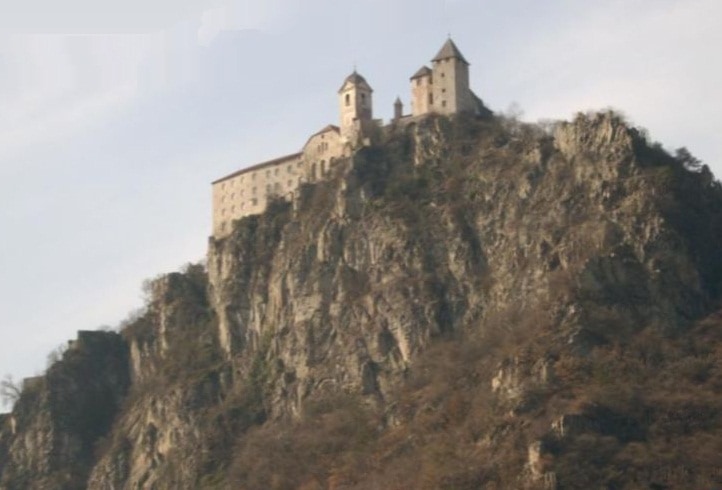
Site of A Former Bishopric, Remains of Earlier Roman Settlement, Excavated Burial Ground, SäBen Castle
Kloster SäBen, Jevun, Monastero Di Sabiona, Sabiona
Bishop Ingenuin, Bishop Zacharias, Bishop Richbert, Johann Franz, Count Khuen Von Belasi
- Establishment of A Bishopric
- Synod of Grado Participation
- Grant of Prichsna Farm To Bishop Zacharias
- Move of Bishops To Brixen
- Napoleonic Wars Looting
- Secularization
- Kulturkampf Period Contact With Beuron Abbey Monks
About Säben Abbey
Säben Abbey, also known by its German name Kloster Säben, its Ladin name Jevun, and its Italian name Monastero di Sabiona, was a Benedictine nunnery situated near Klausen in the South Tyrol region of northern Italy. Its history is deeply intertwined with the 'holy mountain' it occupies, a site of pilgrimage and religious significance stretching back to prehistoric times. The abbey itself was established in 1687 by nuns from Nonnberg Abbey in Salzburg and continued to operate until 2021.
Historical Context
The hill where Säben Abbey stands has a long and layered past. Archaeological evidence indicates settlement during the New Stone Age, followed by a Roman presence. More significantly, between the 6th century and approximately 960, the site served as the seat of the bishopric of Sabiona (episcopatus Sabiona). Remains of a church from this era, along with a large burial ground, have been excavated. In 901, King Louis the Child granted land that would become Brixen to Bishop Zacharias, to which the bishops relocated around 960. Later, Säben evolved into a fortress, with Säben Castle (Burg Säben) becoming the seat of Klausen's judges and an administrative center for the southern territories of the Diocese of Brixen during the 14th and 15th centuries.
Establishment and Development of the Nunnery
The modern community of Benedictine nuns was established in 1686, initially in premises at the foot of the mountain, by a local priest. The abbey church was consecrated by Bishop Johann Franz, Count Khuen von Belasi. Despite facing numerous challenges, including looting during the Napoleonic Wars and asset confiscation during the secularization of 1803, the nunnery persevered through the 19th century. A revival began around 1880, coinciding with the period of the Kulturkampf, when exiled monks from Beuron Abbey in Germany were in contact with the nuns at Säben. This led to the construction of new premises within the castle ruins on the mountain. The nuns adopted the Beuronese mode of life, and the abbey was formally recognized by the Beuronese Congregation of the Benedictine Confederation in 1974. The active monastic life at Säben Abbey concluded in 2021 with the departure of the last three nuns.
Source: Wikipedia ↗
Frequently Asked Questions
When was Säben Abbey founded?
Säben Abbey was established in 1687. It was initially settled by nuns from Nonnberg Abbey in Salzburg. The community operated for over three centuries before its closure.
What was the historical significance of the Säben site before the abbey?
The hill known as the 'holy mountain' was a center of pilgrimage and an extensive religious precinct. It hosted a bishopric from the 6th century to around 960 and later functioned as Säben Castle, a fortress and administrative seat.
What religious order was Säben Abbey part of?
Säben Abbey was a Benedictine nunnery. The nuns adopted the Beuronese mode of life and the abbey was formally accepted into the Beuronese Congregation of the Benedictine Confederation in 1974.
Why did Säben Abbey close?
The last three nuns left the abbey in 2021. The reasons for their departure are not detailed in the historical accounts, but it marked the end of the active monastic community at Säben.
Where is Säben Abbey located?
Säben Abbey is located near Klausen (also known as Brixen in historical contexts) in South Tyrol, northern Italy. It is situated on a prominent hill overlooking the town.
Related Monasteries

Kaltern Friary
Kaltern Friary is a Franciscan religious house located in the center of Kaltern, South Tyrol, Italy. Its establishment in the mid-17th century was part of a broader expansion of Franciscan foundations, supported by local authorities and the Tyrolean regent Claudia de' Medici. The friary has undergone several renovations and changes in patronage throughout its history, and in recent decades has introduced new spiritual programs.
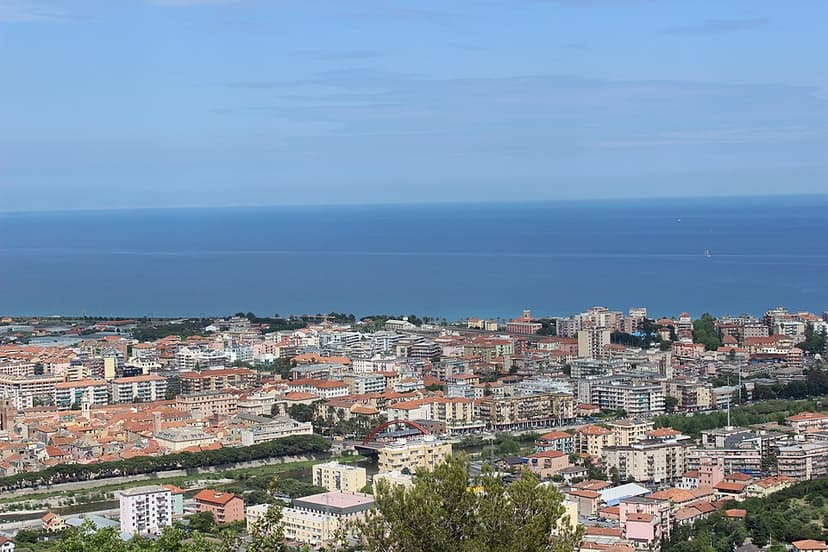
Albenga
Albenga is a historic city on the Italian Riviera, known for its "city of a hundred spires" nickname. Its economy thrives on tourism, local commerce, and agriculture. Founded around the 4th century BC by the Ligurian tribe Ingauni, Albenga boasts a rich history marked by Romanization, medieval self-governance, and periods of prosperity and decline, with its strategic location on the Centa River influencing its development and economy.

Certosa di Pavia
The Certosa di Pavia is a magnificent monastery complex in Lombardy, Northern Italy, renowned for its opulent architecture blending Gothic and Renaissance styles, and its extensive collection of artworks. Commissioned by Giangaleazzo Visconti in 1396 as a dynastic mausoleum and a testament to his political ambitions, it evolved over a century, becoming one of Italy's largest monasteries. Despite its Carthusian origins, known for austerity, the Certosa is celebrated for its rich decoration and artistic treasures.