
Rudenica Monastery
Serbian Orthodox·Serbia·active monastery·14th-15th century
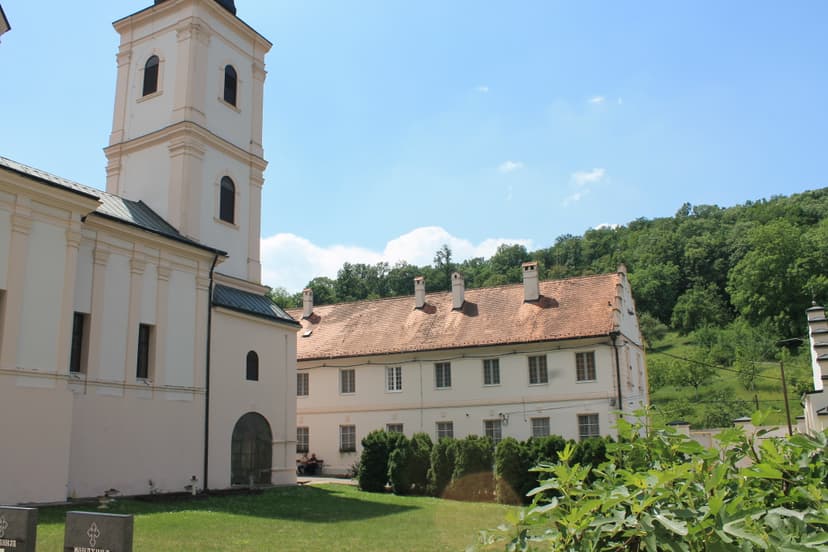
Rudenica Monastery, located near Rudenica village in Serbia, is a Serbian Orthodox monastery belonging to the Eparchy of Kruševac. Founded by local lord Vukašin and his wife Vukosava in the late 14th to early 15th century, its church, dedicated to St. Elijah, features a compact trikonchos base and the Morava architectural style. The monastery's painting was completed between 1402 and 1405, funded by Despot Stefan Lazarević. Despite periods of demolition and abandonment, it was rebuilt in 1936 and is now a protected cultural monument of great importance.
Key Facts
- ›Founded by Vukašin and Vukosava at the end of the 14th and beginning of the 15th century.
- ›Church is dedicated to St. Elijah.
- ›Features a compact trikonchos base and Morava architectural style.
- ›Painting was created between 1402 and 1405 at the expense of Despot Stefan Lazarević.
- ›Rebuilt in 1936 and consecrated on Elijah day.
- ›Protected by the Republic of Serbia as a cultural monument of great importance.

Morava Architectural Style
Compact Trikonchos Base, Morava Architectural Style, Preserved Frescoes By Teodor, Portraits of Founders and Rulers
VukašIn, Vukosava, Stefan Lazarević, Vuk Lazarević, Teodor, Bishop Nikolaj, Kalist Milunović, Aquilina, Evgenia, Varvara Pantelić
- Painting Created Between 1402 and 1405.
- Church Demolished and Abandoned Over Centuries.
- Securing Against Landslides Carried Out During 1929–1931.
- Rebuilt In 1936.
- Consecrated On Elijah Day In 1936.
- Protection of Paintings Done In 1971.
- Architecture Preserved In 1996.
About Rudenica Monastery
Rudenica Monastery is a significant Serbian Orthodox monastic site located near the village of Rudenica within Serbia. It belongs to the Eparchy of Kruševac and holds the distinction of being a cultural monument of great importance.
History and Founding
The monastery's origins trace back to the late 14th and early 15th centuries, when it was established by the local lord Vukašin and his wife Vukosava. The church itself is dedicated to St. Elijah. A notable contribution to its artistic heritage was made by the Despot of Serbia, Stefan Lazarević, who funded the creation of its interior painting between 1402 and 1405.
Over the subsequent centuries, the church faced periods of neglect, including demolition and abandonment. Efforts to stabilize the site against landslides were undertaken between 1929 and 1931. The monastery underwent reconstruction in 1936 and was consecrated on Elijah day of that same year, on the initiative of Bishop Nikolaj. In 1940, a monastic community began to form with the arrival of monk Kalist Milunović, nun Aquilina, and a novice.
Architecture and Art
The church at Rudenica Monastery is characterized by its compact trikonchos base and adheres to the Morava architectural style. Its exterior is rendered in plaster and marked by a cordon wreath, with stone rosettes and bifore windows adorning the facade. While it lacks the typical decorative masonry of the Morava style, the plastered exterior is enhanced with a painterly imitation of cellular masonry.
The interior painting, executed by the artist Teodor, is partially preserved, primarily in its lower sections. Teodor's work is noted for its finely divided forms and lyrical sensibility, reflecting the refinement of an icon painter. Surviving elements include portraits of the founders, Vukašin and Vukosava, along with rulers of Serbia at the time, Stefan and Vuk Lazarević. Frescoes depicting saints in standing positions and busts above them are visible, as are scenes from the Passion of Christ and the Great Feasts.
Preservation and Current Status
Significant conservation work has been carried out to protect the monastery's artistic and architectural integrity. The paintings were subject to protective measures in 1971, and the architecture was preserved in 1996. Today, Rudenica Monastery remains an active monastic community and is under the official protection of the Republic of Serbia, recognized for its historical and cultural value.
Source: Wikipedia ↗
Frequently Asked Questions
Who founded Rudenica Monastery?
Rudenica Monastery was founded by the local lord Vukašin and his wife Vukosava. They established the monastery at the end of the 14th and the beginning of the 15th century.
What is the architectural style of Rudenica Monastery?
The church at Rudenica Monastery has a compact trikonchos base and is built in the Morava architectural style. Its exterior features a plastered facade decorated with a painterly imitation of cellular masonry, with stone rosettes and windows.
When was the painting in Rudenica Monastery created?
The painting within the monastery church was created between 1402 and 1405. It was commissioned and funded by the Despot of Serbia, Stefan Lazarević.
What is the current status of Rudenica Monastery?
Rudenica Monastery is currently a functioning monastery under the Eparchy of Kruševac of the Serbian Orthodox Church. It is recognized as a cultural monument of great importance and is under the protection of the Republic of Serbia.
Are there any notable preserved artworks at Rudenica Monastery?
Yes, the painting within the church, though partially preserved, includes portraits of the founders Vukašin, Vukosava, and the brothers Stefan and Vuk Lazarević. Scenes from the Passion of Christ and the Great Feasts are also visible, with frescoes by the painter Teodor.
Related Monasteries
Beočin Monastery
Beočin Monastery is a Serbian Orthodox monastery situated on Fruška Gora mountain in Vojvodina, Serbia. While its exact founding date is unknown, it was first documented in 1566/1567. The monastery has undergone significant reconstruction, particularly between 1732 and 1740 for its church and in 1762 for its bell tower, and was declared a Monument of Culture of Exceptional Importance in 1990.

Berkasovo Monastery
The Berkasovo Monastery, dedicated to Saint Petka Trnovska, is a Serbian Orthodox monastery situated near the village of Berkasovo in Serbia's Srem region. Established as a monastery on August 8, 2008, its current church was founded in the latter half of the 19th century, built around a sacred spring believed to possess healing properties. Historically, the area was significant, with mentions of a fortified town in the possession of notable figures like Vuk Grgurević and Jovan Branković.

Bođani Monastery
Bođani Monastery is the oldest Serbian Orthodox monastery in the Bačka region of Vojvodina, Serbia, founded in 1478. According to tradition, it was established by a merchant named Bogdan who regained his sight after washing in a local spring. The monastery has undergone numerous reconstructions due to damage from wars, fires, and floods, with the current church dating to 1722. It is renowned for its Baroque architecture and extensive frescoes by Hristofor Žefarović, which are considered a significant contribution to Serbian art.