
Reichersberg Priory
Reichersberg Priory is an Augustinian monastery located in Reichersberg, Upper Austria, on the Inn River. Founded in the 11th century by Wernher von Reichersberg and his wife Dietburga, it has been continuously owned by Augustinian Canons since its inception. The priory has undergone significant architectural transformations, from its original Romanesque-Gothic structure to a large Baroque replacement after a fire in 1624, and today serves as a vibrant cultural center with an extensive library and art collection.
Key Facts
- ›Founded in 1084 by nobleman Wernher von Reichersberg and his wife Dietburga.
- ›Has been continuously inhabited by Augustinian Canons since its founding.
- ›Original Romanesque-Gothic buildings were replaced by a Baroque structure after a fire in 1624.
- ›Houses an extensive library with 55,000 volumes.
- ›Features a notable art collection, including a discovered genuine Rubens painting.
- ›Functions as a cultural center for the Innviertel region, offering exhibitions, seminars, and public tours.

Romanesque-Gothic, Baroque
Extensive Library, Large Collection of Religious Art, Marble Fountain With A Statue of St. Michael, Frescoes By Christian Wink
Stift Reichersberg
Wernher Von Reichersberg, Dietburga, Gerhoh, Arno, Magnus, Ulrich Lufftenecker, A. Butz, Thomas Schwanthaler, Christian Wink, Josef Matthias GöTz, Franz Ignaz Holzinger, Giovanni Battista Carlone, J. E. Habert
- Founded In 1084
- Subject To Changes of Ownership In Early Decades
- Archbishop Conrad I Appointed Gerhoh As Provost In 1132
- Gerhoh Composed Commentary On the Psalms
- Gerhoh Wrote Inquiry Into the Antichrist
- Magnus Wrote History of the Abbey
- Master Ulrich Lufftenecker Taught Choral Singing In the Mid-16th Century
- Destroyed By Fire In 1624
- Erection of Baroque Replacement Buildings
- New Organ Made By A. Butz In 1638
- Organ Destroyed By Tower Collapse In 1774
- Frescoes Completed By Christian Wink
- Assigned To Austria In 1779
- Placed Under Administration In 1810
- Normal Monastic Activities Resumed In 1817
- Collegiate Church Organ Widened In 1883
- Housed A Flying School During World War Ii
About Reichersberg Priory
Reichersberg Priory, also known by its German name Stift Reichersberg, is a historic monastery belonging to the Innviertel Congregation of the Austrian Augustinian Canons. It is situated on the banks of the Inn River in the municipality of Reichersberg, Upper Austria.
History and Significance
The monastery's origins date back to the late 11th century when the nobleman Wernher von Reichersberg, along with his wife Dietburga, converted their possessions into a monastic foundation. This occurred in 1084, following the early death of their only son, Gebhard. From its inception, the priory has been under the stewardship of Augustinian Canons. The early decades saw some flux in ownership, but under the influence of figures like Archbishop Conrad I of Salzburg and Provost Gerhoh, the monastery began to flourish. Gerhoh, an eminent theologian, served as provost for thirty years and composed significant theological works during his tenure, including a commentary on the Psalms.
The priory's architectural landscape has evolved considerably. The original structures were built in a Romanesque-Gothic style. However, a devastating fire in 1624 necessitated extensive rebuilding, resulting in the large Baroque complex that stands today. This Baroque era also saw artistic contributions, such as frescoes by Christian Wink and a marble fountain by Thomas Schwanthaler.
Reichersberg Priory has navigated periods of significant historical upheaval. Its assignment to Austria in 1779 helped it avoid the secularization that affected many Bavarian monasteries. It faced considerable challenges during the Napoleonic Wars, including a period of administration, before resuming normal monastic life in 1817. During World War II, the priory was compelled to host a flying school but managed to avoid being closed down.
Today
In the present day, Reichersberg Priory continues its active role as a spiritual and cultural center. As of recent records, it houses approximately twenty canons. The monastery has undergone renovations and now serves as a prominent cultural hub for the Innviertel region. Its facilities include an extensive library with 55,000 volumes and a valuable collection of religious art, accessible to the public through guided tours. The priory actively hosts exhibitions, seminars, and garden days, and features amenities such as a shop, wine shop, restaurant, and accommodation for seminar attendees. A notable event in its recent history was the discovery and subsequent sale of a genuine Rubens painting, "The Massacre of the Innocents," for over €75 million.
Source: Wikipedia ↗
Frequently Asked Questions
When was Reichersberg Priory founded?
Reichersberg Priory was founded in 1084. The nobleman Wernher von Reichersberg converted his possessions into a monastery at this time, donating his castle to the canons regular.
What religious order is associated with Reichersberg Priory?
Reichersberg Priory belongs to the Augustinian Canons, specifically the Innviertel Congregation. It has been owned by Augustinian Canons since its establishment in the 11th century.
What is the architectural style of Reichersberg Priory?
The original monastery was built in a Romanesque-Gothic style. Following a fire in 1624, a large Baroque replacement was erected, and these Baroque buildings stand today.
What notable collections does Reichersberg Priory hold?
The priory possesses an extensive library containing 55,000 volumes. It also holds a large collection of religious art, which is accessible to visitors.
Is Reichersberg Priory open to the public?
Yes, Reichersberg Priory is open to the public. Visitors can take guided tours to view its art collection and it functions as a cultural center for the region.
What significant historical events have impacted Reichersberg Priory?
The priory was significantly impacted by a fire in 1624 that destroyed the original buildings, leading to the construction of the current Baroque structure. It also faced administrative challenges during the Napoleonic Wars and housed a flying school during World War II, though it avoided closure.
Related Monasteries

Congregation of Windesheim
The Congregation of Windesheim was a significant monastic reform movement within the Catholic Church in the century preceding the Protestant Reformation. Originating from the Brethren of the Common Life, it established a centralized system of Augustinian canons dedicated to a strict, contemplative life with an apostolate of hospitality. The congregation played a crucial role in revitalizing religious life across the Netherlands and parts of Germany, though many of its houses were eventually suppressed due to the Reformation and later political upheavals.
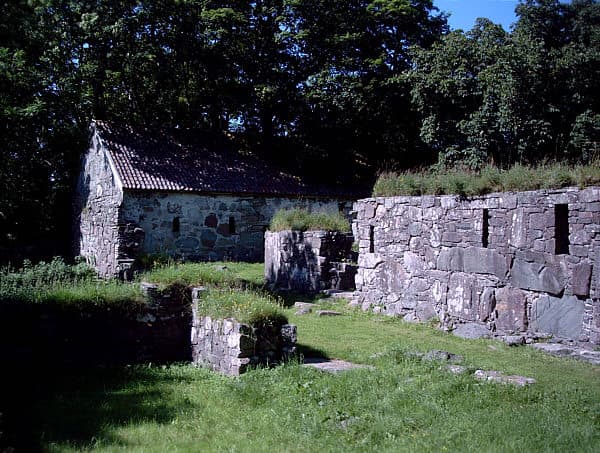
Halsnøy Abbey
Halsnøy Abbey was a prominent Augustinian priory in medieval Norway, founded around 1163-1164 by Jarl Erling Skakke to support his son's claim to the throne. It became one of the wealthiest monasteries in the country before being dissolved in 1536 during the Reformation. While most monastic buildings were demolished in the 19th century, significant remnants of ancillary structures have been preserved as ruins.

Admont Abbey
Admont Abbey is a Benedictine monastery located in Admont, Styria, Austria, on the Enns River. Founded in 1074, it is the oldest monastery in Styria and is renowned for its Baroque architecture, extensive art collections, and manuscripts. The abbey famously houses the world's largest monastic library, a significant scientific collection, and a thriving community today.