
Congregation of Windesheim
Augustinian Canons·Netherlands·Active (revived congregation)·14th century
The Congregation of Windesheim was a significant monastic reform movement within the Catholic Church in the century preceding the Protestant Reformation. Originating from the Brethren of the Common Life, it established a centralized system of Augustinian canons dedicated to a strict, contemplative life with an apostolate of hospitality. The congregation played a crucial role in revitalizing religious life across the Netherlands and parts of Germany, though many of its houses were eventually suppressed due to the Reformation and later political upheavals.
Key Facts
- ›Founded as an offshoot of the Brethren of the Common Life.
- ›Adopted the Rule of St. Augustine with additional constitutions approved by Pope Martin V.
- ›Characterized by a centralized government, unlike many other Augustinian congregations.
- ›Reached its peak prosperity in the late 15th century, numbering 86 houses of canons and 16 of nuns.
- ›Notable members include Thomas à Kempis, Gabriel Biel, and Erasmus.
- ›The congregation was revived in the 20th century, with its motherhouse now in Paring Abbey, Germany.

- Reforming Work Within the Catholic Church
- Emphasis On Contemplative Life and Hospitality
- Centralized Form of Government
- Production of Theological and Historical Chronicles
Congregatio Vindesemensis
Gerard Groote, Florence Radewyns, Johann Vos, Johann Busch, Thomas à Kempis, Gabriel Biel, Erasmus, Hermann Kanten, Nicholas of Cusa, Marcellus Lentius, Clemens Leeder, Carl Egger
- Founded As An Offshoot of the Brethren of the Common Life
- Receiving Privileges From Pope Boniface Ix
- Constitutions Approved By Pope Martin V
- Destruction of the Mother House At Windesheim
- Suppression of Houses Due To the Reformation and French Revolution
- Revival of the Congregation In the 20th Century
About Congregation of Windesheim
The Congregation of Windesheim (Latin: Congregatio Vindesemensis) was a pivotal monastic reform movement that emerged in the Netherlands in the late 14th century. As an offshoot of the Brethren of the Common Life, it aimed to institutionalize a more disciplined religious life by adopting the Rule of St. Augustine and establishing a centralized congregation of Augustinian canons. This movement played a significant role in revitalizing Catholic spiritual and moral standards in the decades leading up to the Protestant Reformation.
History and Significance
The impetus for the congregation came from Gerard Groote, who on his deathbed advised that some of the Brethren of the Common Life should adopt an approved monastic rule. His successor, Florence Radewyns, implemented this by sending brethren to learn the ways of canons regular. In 1386, they established a temporary settlement at Windesheim, with the formal foundation and consecration of their monastery and church occurring in 1387. Under the leadership of figures like Prior Johann Vos and the key reformer Johann Busch, the congregation grew rapidly.
Unlike many other canons regular communities, Windesheim adopted a more structured, centralized form of governance, with all members subject to a Prior General. This allowed for greater consistency in reform efforts and the transfer of canons between houses as needed. The canons followed a strict, contemplative life, emphasizing hospitality and devotion. Their constitutions, approved by Pope Martin V, incorporated influences from Carthusian statutes, reflecting a commitment to rigorous spiritual discipline.
Reform Efforts and Decline
The Congregation of Windesheim became renowned for its extensive reform work, which extended beyond its own monasteries to influence secular clergy and laity, promoting devotion to the Blessed Sacrament and frequent communion. Johann Busch, in particular, was instrumental in reforming numerous Augustinian, Benedictine, Cistercian, and Premonstratensian houses across Germany. Although some Protestant writers viewed them as precursors to the Reformation, their efforts were aimed at internal reform within the Catholic Church, not doctrinal change.
The congregation reached its zenith around the end of the 15th century, with 86 houses of canons and 16 of nuns. However, the advent of the Protestant Reformation led to widespread suppression and destruction, particularly in the Low Countries. The mother house at Windesheim was destroyed in 1581. Further decline occurred with the secularizing policies of Emperor Joseph II of Austria and the invasions of Revolutionary France, with the last house closing in 1809.
Legacy and Revival
Despite the devastation, the Congregation of Windesheim left a legacy through its intellectual output, including chronicles and emendations of biblical texts, and through its association with prominent figures like Thomas à Kempis, Gabriel Biel, and Erasmus. The congregation experienced a revival in the 20th century, with permission granted in 1961. The motherhouse of this revived congregation is now located at Paring Abbey in Bavaria, Germany, continuing the tradition of the Canons Regular of St. Augustine.
Source: Wikipedia ↗
Frequently Asked Questions
When was the Congregation of Windesheim founded?
The foundation of the Windesheim monastery, from which the congregation takes its name, began in 1386 with the erection of huts. The monastery and church were consecrated on October 17, 1387, by six men who took their vows at that time.
What was the primary purpose of the Windesheim Canons?
The primary purpose of the Windesheim Canons was the reform of religious life, focusing on morals and devotion, particularly towards the Blessed Sacrament. They also engaged in an apostolate of hospitality and, in later centuries, pastoral activity in Protestant areas.
What distinguished the Windesheim Congregation from other canons regular?
Unlike autonomous communities common to other canons regular, Windesheim adopted a more centralized form of government, similar to the Carthusians and Dominicans. All members were subject to a Prior General, who could transfer them between houses.
What was the impact of the Protestant Reformation on the Congregation of Windesheim?
The rise of Protestantism led to the decline of the congregation, especially in the Netherlands, as support dwindled and some houses were destroyed. While many houses were suppressed, some in German lands continued and adapted to pastoral work.
Who are some famous individuals associated with the Congregation of Windesheim?
The most famous author associated with the congregation is Thomas à Kempis. Other notable figures include Gabriel Biel, a scholastic, and the Renaissance scholar Erasmus. Johann Busch was a key monastic reformer within the congregation.
Does the Congregation of Windesheim still exist today?
Yes, the congregation was revived in the 20th century. Permission for its revival was granted in 1961, and the motherhouse of the restored congregation is now located at Paring Abbey in Bavaria, Germany.
Related Monasteries

Reichersberg Priory
Reichersberg Priory is an Augustinian monastery located in Reichersberg, Upper Austria, on the Inn River. Founded in the 11th century by Wernher von Reichersberg and his wife Dietburga, it has been continuously owned by Augustinian Canons since its inception. The priory has undergone significant architectural transformations, from its original Romanesque-Gothic structure to a large Baroque replacement after a fire in 1624, and today serves as a vibrant cultural center with an extensive library and art collection.
Halsnøy Abbey
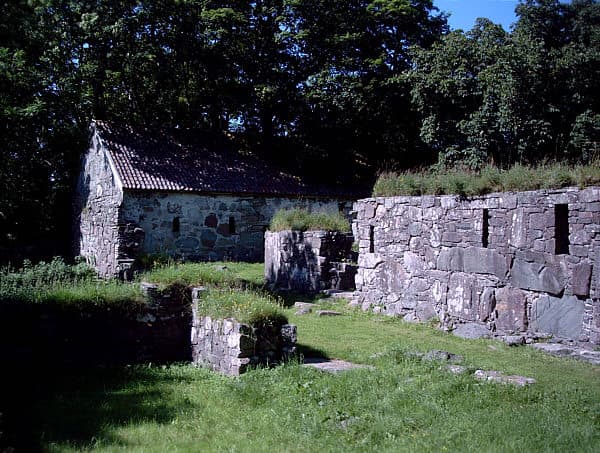
Halsnøy Abbey was a prominent Augustinian priory in medieval Norway, founded around 1163-1164 by Jarl Erling Skakke to support his son's claim to the throne. It became one of the wealthiest monasteries in the country before being dissolved in 1536 during the Reformation. While most monastic buildings were demolished in the 19th century, significant remnants of ancillary structures have been preserved as ruins.

Roermond Charterhouse
Roermond Charterhouse, also known as Bethlehem Charterhouse, was a significant Carthusian monastery located in Roermond, in the southern Netherlands. Founded in 1376, it played a role in the establishment of other monastic houses and was home to notable theologians. Despite suffering destruction by fire and military action, it was re-founded and continued its religious activities until its suppression in the late 18th century, with its chapel remaining in use as a church.