
Porta Coeli Charterhouse
Carthusian·Spain·functioning·13th century
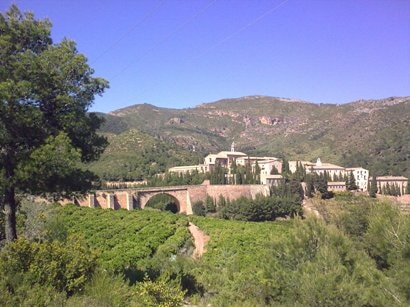
Porta Coeli Charterhouse, also known as Cartuja de Porta Coeli or Cartuja Santa María de Porta Coeli, is a functioning Carthusian monastery established in 1272 in the province of Valencia, Spain. Its name, meaning "door of heaven," reflects its spiritual significance. Over centuries, it has developed an eclectic architectural style, featuring Gothic and Baroque elements, and has been a mother house for other Carthusian foundations. Despite periods of suppression and repurposing, it was reoccupied by the Carthusian order in the mid-20th century and remains a vital monastic center.
Key Facts
- ›Founded in 1272 under the sponsorship of Bishop Andrés Albalat.
- ›Served as the mother house for the charterhouses of Ara Christi and Via Coeli.
- ›Produced prominent leaders of the Carthusian order, including Bonifacio Ferrer.
- ›Experienced suppression in the 19th century and was reoccupied in 1943.
- ›Features a church with Gothic and Baroque architectural styles.
- ›Houses 18th-century paintings by José Camarón Bonanat and frescoes by Luis Antonio Planes.
Gothic, Baroque
- Paintings Depicting Scenes From the New Testament
- Frescoes On the Ceiling
- Portraits of Monks
Cartuja De Porta Coeli, Cartuja Santa MaríA De Porta Coeli
AndréS Albalat, Bonifacio Ferrer, Francisco Maresme, Juan De Nea, Francisco De Aranda
- Suppression In the 19th Century
- Reoccupation By Carthusian Order In 1943
- Reconsecration In 1947
- Used As A Francoist Concentration Camp Between 1939 and 1941
About Porta Coeli Charterhouse
Porta Coeli Charterhouse, also known by its Latinized name Cartuja de Porta Coeli or Cartuja Santa María de Porta Coeli, is a historically significant and currently functioning Carthusian monastery. Situated on a rural expanse within the municipality of Serra de Porta Coeli in the province of Valencia, Spain, its name translates to "door of heaven," alluding to its spiritual purpose.
History and Development
The monastery's origins trace back to 1272, established under the patronage of Andrés Albalat, the Bishop of Valencia and confessor to James I of Aragon. Porta Coeli has played a pivotal role within the Carthusian Order, serving as the mother house for other foundations, including the charterhouses of Ara Christi and Via Coeli. It also produced two distinguished leaders of the order: Father Bonifacio Ferrer, brother of the renowned Saint Vincent Ferrer, and Francisco Maresme.
Despite its enduring legacy, the monastery faced periods of disruption, including suppression in the 19th century. The order's return to Porta Coeli was not realized until 1943, culminating in its reconsecration in 1947. During the interim, from 1939 to 1941, the site was utilized as a concentration camp under the Francoist regime.
Architecture and Art
Construction at Porta Coeli commenced with its founding and continued across centuries, resulting in a rich tapestry of architectural styles. The monastery church primarily showcases Gothic elements dating from the 14th century, later undergoing a substantial Baroque restructuring in the 18th century. The church's interior is adorned with significant artworks, including 18th-century paintings by José Camarón Bonanat depicting scenes from the New Testament. The ceiling features frescoes by Luis Antonio Planes, and the monastery also holds portraits of notable monks such as Juan de Nea, Francisco de Aranda, Bonifacio Ferrer, and Francisco Maresme.
Current Status
Porta Coeli Charterhouse remains the sole cloistered men's monastery in the province of Valencia. While it is a living monastic community, visits to its cloisters are limited, reflecting its ongoing contemplative life.
Source: Wikipedia ↗
Frequently Asked Questions
When was Porta Coeli Charterhouse founded?
Porta Coeli Charterhouse was founded in 1272. The construction of the monastery began at its foundation and continued over several centuries.
What is the meaning of the name Porta Coeli?
The name Porta Coeli means 'door of heaven' in Latin. This name reflects the spiritual aspirations and significance of the charterhouse.
What is the architectural style of Porta Coeli Charterhouse?
The monastery exhibits an eclectic architectural style due to construction over centuries. The church is primarily Gothic from the 14th century, with significant Baroque restructuring in the 18th century.
Has Porta Coeli Charterhouse always been active?
No, the monastery was suppressed in the 19th century. The Carthusian order did not return to the site until 1943, with its reconsecration in 1947.
Are visits to Porta Coeli Charterhouse allowed?
Visits to the cloisters are limited. The monastery is a functioning Carthusian monastery, and access may be restricted.
What notable figures are associated with Porta Coeli Charterhouse?
Notable figures include Bishop Andrés Albalat, who sponsored its founding, and Father Bonifacio Ferrer, a prominent leader of the order and brother of Saint Vincent Ferrer. Francisco Maresme was another significant leader from the monastery.
Related Monasteries
Bistra
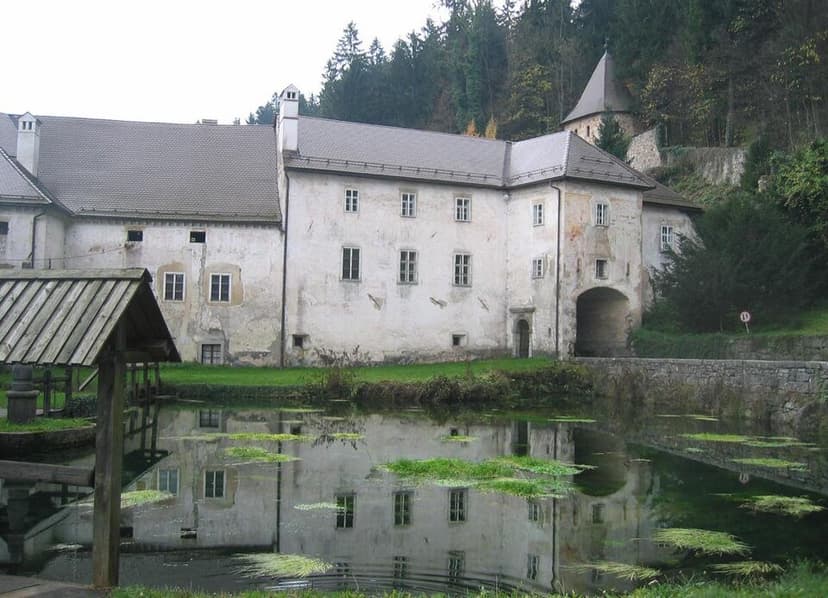
Bistra is a settlement in Slovenia, best known for the Bistra Charterhouse, the first monastery in Carniola, founded in 1260. This complex, also referred to as "Bistra Castle," operated as a monastery until its dissolution in 1782. Today, the site houses the Technical Museum of Slovenia, featuring collections related to various technical fields and historical vehicles.

Mélan Charterhouse
Mélan Charterhouse, originally a Carthusian nunnery founded in 1282 by Beatrice of Faucigny, served as both a dynastic mausoleum and a religious institution. After a period of impoverishment and a fire in the 16th century, it was repurposed through various stages, including a minor seminary, a departmental orphanage, and currently operates as a departmental cultural center. The site is recognized for its Gothic architectural elements, particularly its church and cloister, and has been listed as a historical monument since 1911.
Maria Hain Charterhouse
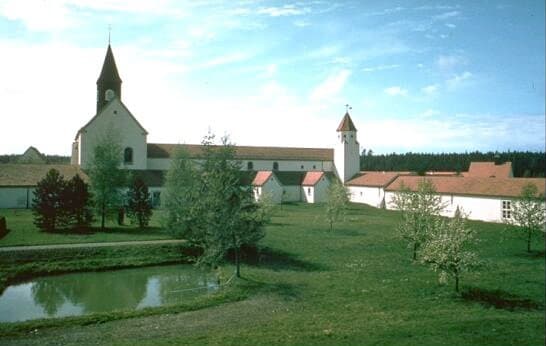
Marienau Charterhouse is the sole active Carthusian monastery in Germany, serving as the successor to the Maria Hain Charterhouse in Düsseldorf. Founded in 1964, it relocated from its original site due to airport expansion. The monastery is renowned for its modern, functional architecture designed by Emil Steffann and Gisberth M. Hülsmann, and its capacity to house 24 monks, double the usual number, reflecting its significant role in preserving the Carthusian way of life.