
Pontignano Charterhouse
Christian·Italy·Academic and Hospitality Venue·14th century
Pontignano Charterhouse, also known as the Certosa di San Pietro, is a historical Carthusian monastery located near Siena, Tuscany, Italy. Commissioned in the 14th century, it served as a monastic community for centuries before being expropriated and subsequently acquired by the University of Siena in 1959. Today, it functions as a venue for academic events, conferences, and hospitality, while retaining significant architectural and artistic features, including extensive frescoes.
Key Facts
- ›Founded in 1343 by Bindo DI Falcone Petroni.
- ›Acquired by the University of Siena in 1959.
- ›Features extensive 16th and 17th-century frescoes depicting religious and order history.
- ›Suffered significant damage from a sack and fire in 1554, later rebuilt and redecorated.
- ›The complex includes a layout characteristic of Carthusian monasteries with courtyards and cells.
- ›Currently used for academic meetings, conventions, and as a venue for events.

Renaissance, Baroque
- Extensive Frescoes In the Church
- Engraved Wooden Choir
- Layout Characteristic of A Carthusian Monastery
- Courtyards and Monastic Cells
Certosa Di San Pietro
Bindo Di Falcone Petroni, Stefano Maconi, Pope Paul Iii, Camillo Borghese, Pope Urban Viii, Grand Duke Leopold, Giuseppe Giusepino, Stefano Cassiani, Casolani, Vincenzo Rustici, Orazio Porta, Poccetti, Giovanni Battista Brugieri, Domenico Atticciati, Francesco Vanni, Giovanni Battista Ciceri, Giuseppe Nasini, Falzaresi of Forli, Apollonio Nasini
- Commissioned In 1343
- Stefano Maconi Served As Prior General of Certosa of Milan and Returned To Pontignano
- Pope Paul Iii Stayed At the Abbey In 1538
- Captured and Mostly Destroyed By Mercenaries In 1554
- Reconsecrated In 1607
- Affiliated To Certosa Di Belriguardo In 1635
- Grand Duke Leopold Stayed At the Abbey In 1784
- Expropriated In 1810
- Acquired By the University of Siena In 1959
- Local Notoriety In the 1970s Due To Events Involving A Monk
About Pontignano Charterhouse
The Certosa di Pontignano, also known as the Certosa di San Pietro ('Saint Peter's Charterhouse'), stands as a significant historical Carthusian monastery located in the Pontignano neighborhood, near Siena in the Tuscany region of Italy.
History and Function
Commissioned in 1343 by Bindo di Falcone Petroni, the monastery developed over centuries, housing Carthusian monks. Notable figures associated with its history include Blessed Stefano Maconi, who had served Catherine of Siena and later became prior general of the Certosa of Milan before returning to Pontignano. The complex experienced periods of both construction and destruction; it was largely destroyed by fire in 1554 during conflicts and subsequently rebuilt and redecorated, being reconsecrated in 1607. The monastic community continued until 1810 when the complex and lands were expropriated. After passing through various private hands, the University of Siena acquired the site in 1959. Today, Pontignano Charterhouse serves a dual purpose, functioning as a center for academic meetings and conventions while also offering hospitality services as a hotel and restaurant for events.
Architecture and Artistry
The monastery's design adheres to the typical Carthusian layout, featuring a large square courtyard surrounded by individual cells, each with associated small plots. A second courtyard was designated for lay apprentices. The church itself is a notable highlight, adorned with extensive frescoes from 1579 that cover its walls and ceiling. These artworks depict scenes from the Life of Christ, the Virgin Mary, and the history of the Carthusian order, created by various Mannerist artists from Tuscany, including Stefano Cassiani, Orazio Porta, and Poccetti. The presbytery contains an engraved wooden choir completed in 1591. The refectory in the main cloister retains a depiction of the Last Supper by Domenico Monti.
Later History and Notoriety
In the 20th century, the Certosa gained some local notoriety in the 1970s due to events involving one of its last active monks. This period led to the commune revoking the license for the site to operate as a religious institution. Today, the site is open to the public, primarily for its academic and event-hosting functions, preserving its rich historical and artistic heritage.
Source: Wikipedia ↗
Frequently Asked Questions
When was Pontignano Charterhouse established?
The monastery was originally commissioned in 1343 by Bindo di Falcone Petroni. Its construction and development continued over the subsequent centuries.
What is the current use of Pontignano Charterhouse?
Following its acquisition by the University of Siena in 1959, the complex has been repurposed. It is now utilized for academic meetings, conventions, and also as a hotel and restaurant for events such as weddings and celebrations.
What are the notable architectural or artistic features of the charterhouse?
The church is particularly remarkable for its extensive frescoes dating from 1579, covering the walls and ceiling with depictions from the Life of Christ, the Virgin Mary, and the History of the Carthusian order. The engraved wooden choir in the presbytery and various paintings by notable artists also contribute to its artistic significance.
Has Pontignano Charterhouse always been a religious institution?
The institution was founded as a Carthusian monastery and functioned as such for centuries. However, the monks were expelled in 1810, and after passing through various hands, it was eventually acquired by the University of Siena in 1959.
What historical events have affected Pontignano Charterhouse?
The complex was captured and largely destroyed by mercenaries in 1554, necessitating rebuilding and redecoration. It was also expropriated in 1810. More recently, it gained local notoriety in the 1970s due to events involving one of its last active monks.
Related Monasteries

Certosa di Pavia
The Certosa di Pavia is a magnificent monastery complex in Lombardy, Northern Italy, renowned for its opulent architecture blending Gothic and Renaissance styles, and its extensive collection of artworks. Commissioned by Giangaleazzo Visconti in 1396 as a dynastic mausoleum and a testament to his political ambitions, it evolved over a century, becoming one of Italy's largest monasteries. Despite its Carthusian origins, known for austerity, the Certosa is celebrated for its rich decoration and artistic treasures.

Certosa di San Giacomo
The Certosa di San Giacomo, also known as the Charterhouse of St. James, is a former Carthusian monastery founded in 1363 by Giacomo Arcucci on the island of Capri. Originally established as a religious institution, it later underwent fortification and restoration. Today, it functions as a museum and a venue for cultural events, housing several exhibitions and a high school on its premises.
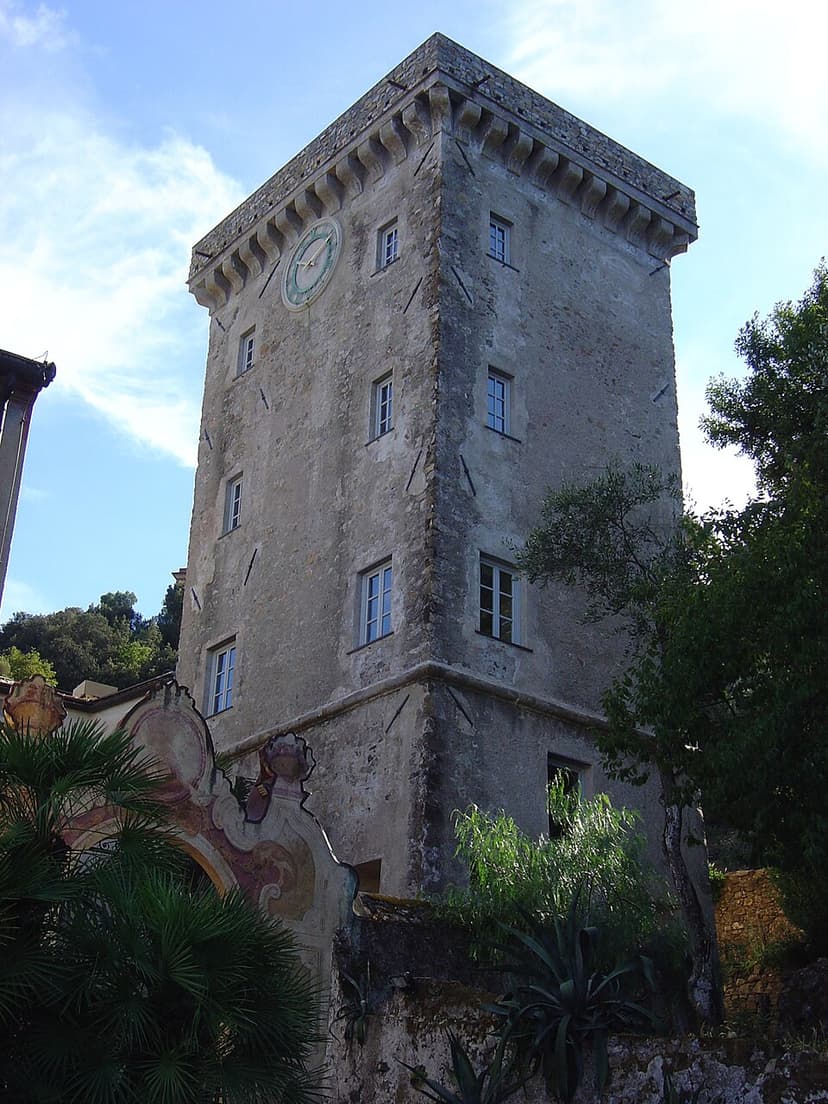
Cervara Abbey
Cervara Abbey, originally known as Silvaria due to its wooded surroundings, is a former abbey located in Santa Margherita Ligure, Italy. Founded in 1361, it has undergone numerous transformations, serving as a Benedictine center, a fortified site against pirates, and later a property of various religious orders and the Diocese of Chiavari. Today, it is a privately owned national monument renowned for its significant Italian Renaissance garden and its historical role in the spread of Flemish art.