
Certosa di San Giacomo
Christian·Italy·Museum and cultural venue·14th century
The Certosa di San Giacomo, also known as the Charterhouse of St. James, is a former Carthusian monastery founded in 1363 by Giacomo Arcucci on the island of Capri. Originally established as a religious institution, it later underwent fortification and restoration. Today, it functions as a museum and a venue for cultural events, housing several exhibitions and a high school on its premises.
Key Facts
- ›Founded in 1363 by Giacomo Arcucci, a secretary to Joan I of Naples.
- ›The monastery was restored and fortified in 1553.
- ›Experienced conflict with local islanders, notably during the 1656 plague.
- ›Its Great Cloister exhibits late Renaissance design, while the Small Cloister features Roman marble columns.
- ›Since 1974, it has housed the Karl Wilhelm Diefenbach museum and is used for cultural events.
- ›A high school is currently located on the premises.

Late Renaissance, Roman
Great Cloister, Small Cloister, Karl Wilhelm Diefenbach Museum
Charterhouse of St. James
Giacomo Arcucci
- Restoration and Fortification In 1553
- Conflict With Islanders During the 1656 Plague
About Certosa di San Giacomo
The Certosa di San Giacomo, also known by its English translation as the Charterhouse of St. James, is a historic monastic complex located on the island of Capri in southern Italy. Founded in 1363 by Giacomo Arcucci, a notable secretary to Joan I of Naples, the charterhouse was established as a Carthusian monastery. Arcucci himself later joined the order, becoming a monk in 1386.
History and Development
The monastery's history is marked by periods of development and conflict. In 1553, the buildings were restored and fortified, with a tower added that later collapsed in the 18th century. The community experienced tensions with the local islanders, who resented the monks' land ownership and privileges, including hunting and grazing rights. A particularly stark example of this animosity occurred during the plague of 1656, when the monks isolated themselves, leading to retribution from the islanders who reportedly threw corpses over the monastery walls.
Architectural Features
The architectural layout of the Certosa di San Giacomo is divided into distinct areas, including those for the pharmacy and women's church, the monks' quarters, and guest facilities. The complex boasts two significant cloisters: the Great Cloister (Chiostro Grande) exemplifies late Renaissance design, while the Small Cloister (Chiostro Piccolo) is notable for its use of Roman marble columns.
Modern Use
Since 1974, the Certosa di San Giacomo has transitioned from its original monastic purpose to serve as a museum and a hub for cultural activities. It houses several exhibitions, including the Karl Wilhelm Diefenbach museum, and is utilized for various cultural events. Additionally, a high school operates on the premises, integrating contemporary educational functions within the historic setting.
Source: Wikipedia ↗
Frequently Asked Questions
When was the Certosa di San Giacomo founded?
The Certosa di San Giacomo was founded in 1363 by Giacomo Arcucci. Arcucci himself later became a monk there in 1386.
What is the historical significance of the Certosa di San Giacomo?
Founded by a prominent figure connected to the Neapolitan court, the charterhouse played a role in the island's history, including periods of conflict with the local population. It was also fortified in the 16th century.
What are the notable architectural features of the Certosa di San Giacomo?
The monastery complex includes a Great Cloister with a late Renaissance design. The Small Cloister is distinguished by its Roman marble columns.
What is the current use of the Certosa di San Giacomo?
Since 1974, the Certosa di San Giacomo has been a museum, housing exhibitions such as the Karl Wilhelm Diefenbach museum. It also serves as a venue for cultural events, and a high school is situated on its grounds.
What was the relationship between the monks and the islanders?
There was often conflict between the islanders and the monks due to the monks' land ownership and hunting rights. A notable incident occurred during the 1656 plague when islanders retaliated against the isolated monks.
Related Monasteries

Certosa di Pavia
The Certosa di Pavia is a magnificent monastery complex in Lombardy, Northern Italy, renowned for its opulent architecture blending Gothic and Renaissance styles, and its extensive collection of artworks. Commissioned by Giangaleazzo Visconti in 1396 as a dynastic mausoleum and a testament to his political ambitions, it evolved over a century, becoming one of Italy's largest monasteries. Despite its Carthusian origins, known for austerity, the Certosa is celebrated for its rich decoration and artistic treasures.
Cervara Abbey
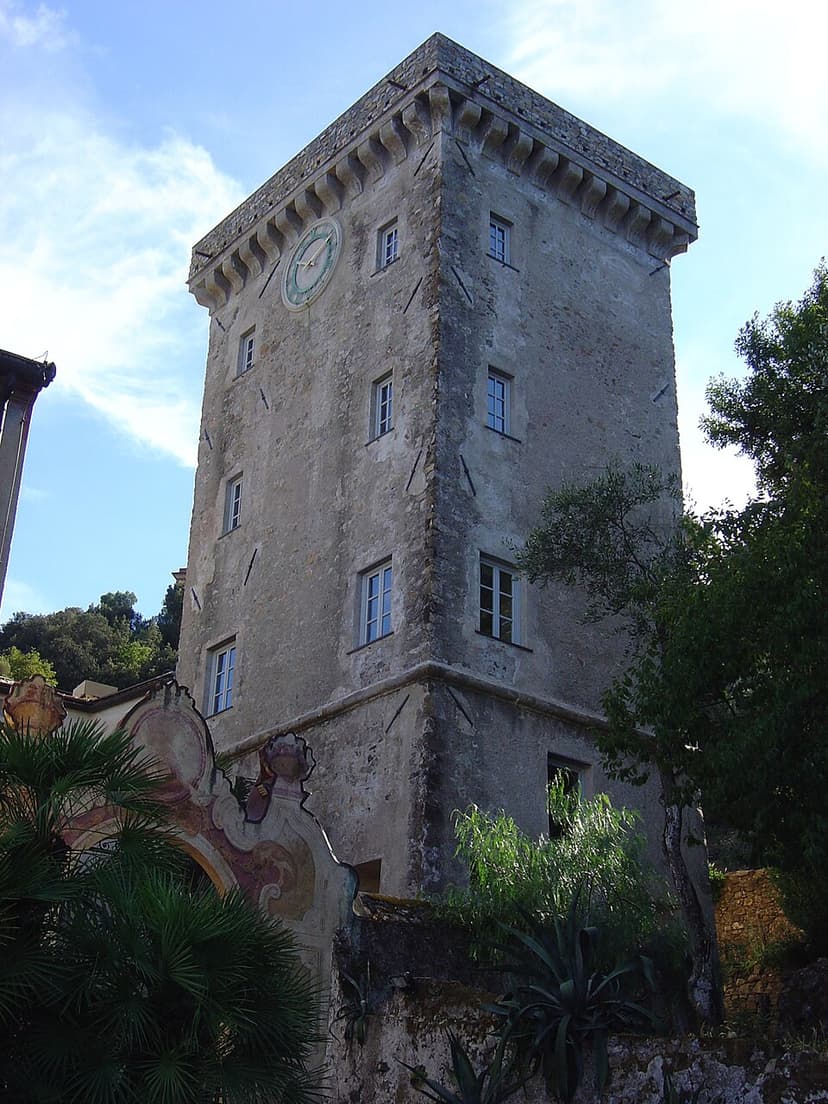
Cervara Abbey, originally known as Silvaria due to its wooded surroundings, is a former abbey located in Santa Margherita Ligure, Italy. Founded in 1361, it has undergone numerous transformations, serving as a Benedictine center, a fortified site against pirates, and later a property of various religious orders and the Diocese of Chiavari. Today, it is a privately owned national monument renowned for its significant Italian Renaissance garden and its historical role in the spread of Flemish art.

Garegnano Charterhouse
Garegnano Charterhouse, also known as Milan Charterhouse, is a historic former Carthusian monastery located on the outskirts of Milan, Italy. Founded in 1349, it played a role in establishing other Carthusian houses and once hosted the poet Petrarch. Although it underwent various changes, including becoming a parish church and later being taken over by Capuchin Friars, its surviving structures and artworks from the 16th and 17th centuries remain significant.