
Cervara Abbey
Christian·Italy·privately owned, open to public for events and visits·14th century
Cervara Abbey, originally known as Silvaria due to its wooded surroundings, is a former abbey located in Santa Margherita Ligure, Italy. Founded in 1361, it has undergone numerous transformations, serving as a Benedictine center, a fortified site against pirates, and later a property of various religious orders and the Diocese of Chiavari. Today, it is a privately owned national monument renowned for its significant Italian Renaissance garden and its historical role in the spread of Flemish art.
Key Facts
- ›Founded in 1361 by Ottone Lanfranco and dedicated to St. Jerome.
- ›Became a center for Flemish artistic influence in Liguria.
- ›Fortified in the 16th century due to pirate raids.
- ›Declared a national monument in 1912.
- ›Features a unique monumental Italian Renaissance garden that faces the sea.
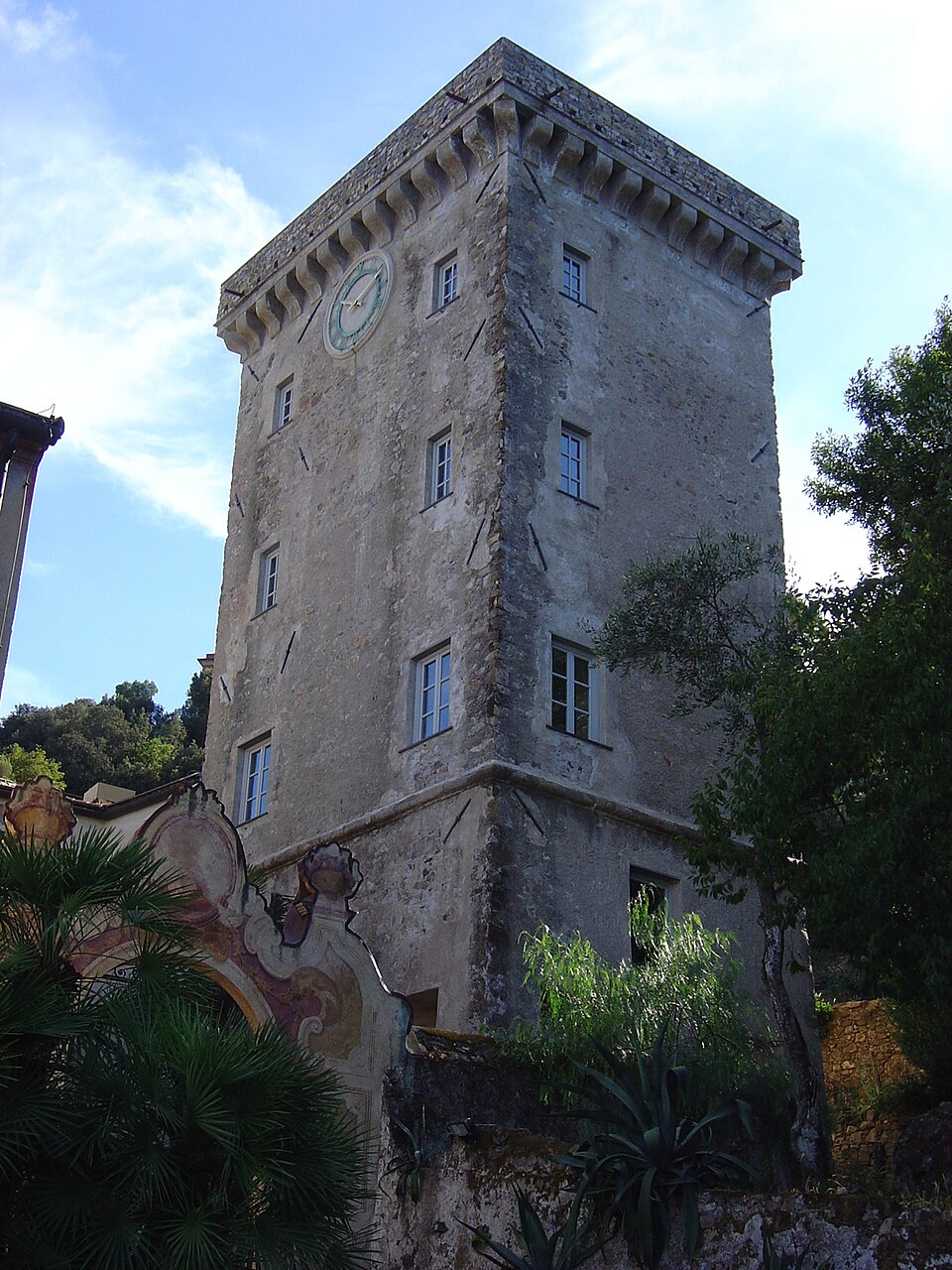
- ›The tower once served as a prison for King Francis I of France.
Italian Renaissance, Ligurian
16th-Century Cloister, Tower, Monumental Italian Renaissance Garden, Herb Garden, Garden of the Hesperides, Natural Area With Mediterranean Forest
Abbazia Della Cervara, Abbazia Di San Gerolamo Al Monte Di Portofino
Ottone Lanfranco, Petrarch, Saint Catherine of Siena, Pope Gregory Xi, Maximilian of Austria, Don John of Austria, Alessandro Piccolomini, Guglielmo Marconi, Francis I of France, Gerard David, Pieter Coecke Van Aelst, Vincenzo Sauli, Guido Scetten
- Founded In 1361
- Transferred To Benedictines of Monte Cassino C. 1420
- Elevated To Abbey Rank In 1546
- Fortified In the 16th Century
- Suppressed and Sacked By French Forces In the Late 18th Century
- Acquired By French Trappists In 1804
- Put Up For Sale In 1859
- Acquired By Marquis Giacomo Filippo Durazzo In 1868
- Donated To Somaschi Fathers In 1871
- Entrusted To French Carthusians From 1901 To 1937
- Declared A National Monument In 1912
- Restoration of Francis I's Prison In the Tower In 2011
About Cervara Abbey
Cervara Abbey, also known as Abbazia della Cervara or Abbazia di San Gerolamo al Monte di Portofino, is a historic former abbey situated in Santa Margherita Ligure, within Italy's Liguria region. Its origins trace back to the Middle Ages when the area was known as Silvaria, meaning 'woods,' due to its dense native woodlands. The monastery building itself was constructed in 1361 by Ottone Lanfranco, a priest from Genoa, on land previously owned by Carthusian monks, and was dedicated to Saint Jerome.
Historical Transformations and Significance
Over the centuries, Cervara Abbey evolved significantly. Around 1420, Pope Eugene IV transferred ownership to the Benedictines of Monte Cassino, who undertook its restoration. During this period, the abbey became an important conduit for the diffusion of Flemish artistic styles into Liguria, evidenced by significant artworks commissioned by its patrons. The monastery achieved the rank of abbey in 1546 and was subsequently fortified to defend against raids by North African pirates. The late 18th century brought suppression and sacking following the French conquest of Italy, leading to the dispersal of its valuable art collection.
Later, in 1804, French Trappists briefly occupied the abbey, establishing a school before departing in 1811. The complex subsequently passed through various hands, including the Diocese of Chiavari and private ownership, before being donated to the Somaschi Fathers in 1871. From 1901 to 1937, it was entrusted to the French Carthusians, and in 1912, it was officially declared a national monument of Italy.
Architectural Features and Gardens
The abbey complex includes a consecrated church, a 16th-century cloister, a tower, the main building, and extensive gardens. Architectural modifications occurred over centuries, with significant work on the apse in the 16th century and changes to the high altar and choir in the 17th century, followed by further marble decorations and wall paintings in the 18th century. The church's design is noteworthy, featuring a Latin cross plan and columns constructed from brick covered with plaster to resemble alternating slate and marble blocks, characteristic of Ligurian style.
The abbey is particularly celebrated for its gardens. The monumental Italian Renaissance garden, the only one of its kind preserved on the Italian Riviera, directly faces the sea, offering a unique perspective reminiscent of a ship's prow. It is meticulously maintained with boxwood hedges and topiary. Adjacent to this is an herb garden that continues the monastic tradition of cultivating medicinal plants, and the Garden of the Hesperides, showcasing a variety of citrus trees. Surrounding these are terraces with rare plants and a natural area preserving ancient Mediterranean forest species.
Present Day and Notable Associations
Today, Cervara Abbey is privately owned and open to the public for cultural events, concerts, and guided visits by appointment. It also hosts private functions such as weddings and conferences. Restoration efforts are ongoing to preserve and restore the monument to its historical splendor, with notable figures involved in the conservation work. The abbey's tower once held captive King Francis I of France after his defeat at the Battle of Pavia in 1525, an event commemorated by a plaque bearing his words. The abbey's prestige and scenic location have attracted numerous famous guests throughout its history, including poets, popes, royalty, and inventors.
Source: Wikipedia ↗
Frequently Asked Questions
What is the origin of the name Cervara Abbey?
The name Cervara derives from 'Silvaria,' a medieval term used for this coastal region due to its native woodlands. 'Silvaria' was later Italianized to become 'Cervara.'
When was Cervara Abbey founded and by whom?
Cervara Abbey was built in 1361 by Ottone Lanfranco, a priest from Genoa. It was initially dedicated to St. Jerome.
What is the architectural significance of the church at Cervara Abbey?
The church features a Latin cross plan with a striking apse angle designed to simulate the bowed head of Christ. Its columns, appearing to be alternating slate and marble, are actually brick covered with plaster in the Ligurian style.
What is notable about the gardens at Cervara Abbey?
The abbey boasts a unique monumental Italian Renaissance garden directly facing the sea, offering panoramic views. It also includes an herb garden preserving medieval monastic practices and a Garden of the Hesperides featuring various citrus trees.
What historical figures have visited or been associated with Cervara Abbey?
Illustrious visitors have included Petrarch, Saint Catherine of Siena, Pope Gregory XI, and Guglielmo Marconi. King Francis I of France was famously imprisoned in the tower here.
What is the current status of Cervara Abbey?
Cervara Abbey is now privately owned and operates as a venue for cultural performances, concerts, and private events. It is open to the public for visits by appointment.
Related Monasteries

Certosa di Pavia
The Certosa di Pavia is a magnificent monastery complex in Lombardy, Northern Italy, renowned for its opulent architecture blending Gothic and Renaissance styles, and its extensive collection of artworks. Commissioned by Giangaleazzo Visconti in 1396 as a dynastic mausoleum and a testament to his political ambitions, it evolved over a century, becoming one of Italy's largest monasteries. Despite its Carthusian origins, known for austerity, the Certosa is celebrated for its rich decoration and artistic treasures.

Certosa di San Giacomo
The Certosa di San Giacomo, also known as the Charterhouse of St. James, is a former Carthusian monastery founded in 1363 by Giacomo Arcucci on the island of Capri. Originally established as a religious institution, it later underwent fortification and restoration. Today, it functions as a museum and a venue for cultural events, housing several exhibitions and a high school on its premises.

Garegnano Charterhouse
Garegnano Charterhouse, also known as Milan Charterhouse, is a historic former Carthusian monastery located on the outskirts of Milan, Italy. Founded in 1349, it played a role in establishing other Carthusian houses and once hosted the poet Petrarch. Although it underwent various changes, including becoming a parish church and later being taken over by Capuchin Friars, its surviving structures and artworks from the 16th and 17th centuries remain significant.