
Pilton Priory
Christian·United Kingdom·Ruins (as priory), Active (as parish church)·10th century
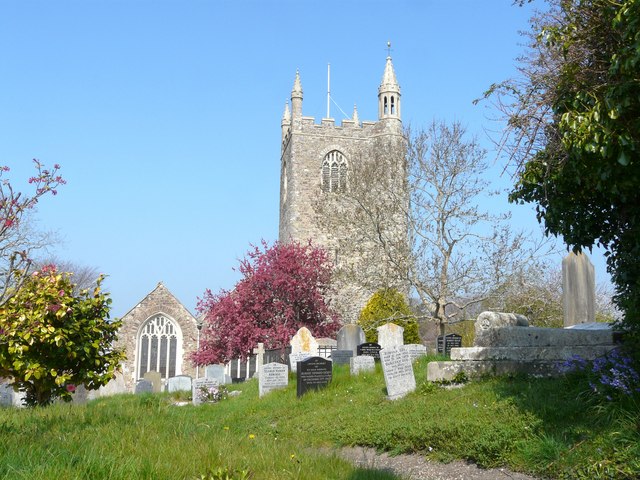
Pilton Priory was a Benedictine monastic cell founded between 925 and 940 as a dependency of Malmesbury Abbey. It ceased to function as a monastery during the Dissolution of the Monasteries in 1533 and its church, now the Anglican parish church of St Mary the Virgin in Pilton, Barnstaple, retains significant elements of its medieval and later architecture. The church building showcases a blend of 13th and 15th-century construction with later restorations, incorporating visible traces of the former monastic structures.
Key Facts
- ›Founded as a Benedictine cell of Malmesbury Abbey between 925 and 940.
- ›Closed in 1533 during the Dissolution of the Monasteries.
- ›The surviving church building is largely 13th and 15th-century.
- ›The church was dedicated in 1259.
- ›Traces of monastic buildings, including the cloister and rooflines, are still visible.
- ›The church has a peal of eight bells, some dating from 1712.
Gothic, Renaissance
- Remnants of Monastic Buildings
- 13th and 15th-Century Church Architecture
- Tracery With Medieval Coloured Glass Fragments
- Carved Parclose Screen
- Perpendicular Period Stone Pulpit
- Elizabethan Font Cover
- Rood Screen With Restored Apostle Panels
- Plaque Marking Former Recluse's Cell
- Royal Arms of Queen Anne
- Section of Medieval Wall Painting
- Notable Monuments To the Chichester Family
Walter De Stapledon, Thomas Martyn, Sir John Chichester, Sir Robert Chichester, Christopher Lethbridge, Queen Anne
- Foundation of the Priory
- Dedication of the Church
- Contribution To Chancel Building By Bishop Walter De Stapledon
- Inhabitation By A Recluse
- Dissolution of the Monasteries
- Damage During the Civil War
- Restoration and Rebuilding
- Demolition of Raleigh Manor Chapel
- Construction of Imitation-Tudor Almshouses
About Pilton Priory
Pilton Priory was a Benedictine monastic institution established in the first half of the 10th century, functioning as a cell dependent on Malmesbury Abbey. Its operational existence as a priory concluded in 1533 with the Dissolution of the Monasteries, after which its property, including the priory church, was acquired by the Chichester family. The priory's most enduring legacy is its former church, now the Anglican parish church of St Mary the Virgin in Pilton, a suburb of Barnstaple, Devon.
History and Significance
The priory's founding date is placed between 925 and 940. Its closure in 1533 marked the end of its monastic life. The present church building is a testament to its long history, with significant portions constructed in the 13th century, including its dedication in 1259, and further additions made in the 15th century. Subsequent restoration and rebuilding efforts in the 17th century and mid-19th century have also shaped its appearance. Intriguingly, the church's architecture still retains visible evidence of the former monastic complex; the roof-line of adjoining buildings can be observed along the north side, and the layout suggests the cloister ran alongside the nave, influencing the design of the north aisle windows.
Architectural Features and Surviving Elements
The Church of St Mary the Virgin showcases a blend of historical architectural styles and incorporates elements from various periods. While the main structure dates from the 13th and 15th centuries, notable features include a tower and south aisle that originated during the priory's time. Interior highlights include a well-carved parclose screen with a mix of Gothic and Renaissance detail, a 16th-century stone pulpit with Jacobean features, and a font cover believed to be from the Elizabethan era, adorned with Gothic and Renaissance carving. The rood screen, separating the chancel from the nave, contains panels that may have once depicted the Apostles, though these have undergone significant overpainting and restoration efforts. The church also houses monuments to prominent figures of the Chichester family and other notable individuals.
Source: Wikipedia ↗
Frequently Asked Questions
When was Pilton Priory founded?
Pilton Priory was founded as a Benedictine monastic cell between the years 925 and 940. It was established as a dependency of Malmesbury Abbey.
What happened to Pilton Priory?
Pilton Priory was closed down during the Dissolution of the Monasteries in 1533. After its closure, the property was acquired by the Chichester Family of Raleigh Manor.
What remains of the priory today?
The primary surviving structure is the Church of St Mary the Virgin, which was formerly part of the priory. Significant portions of the church date from the 13th and 15th centuries, and visible traces of the former monastic buildings, such as the cloister outline and roof-lines, can still be seen against the church's north side.
What is the architectural style of the surviving priory church?
The church building exhibits a mix of architectural styles, with parts dating from the 13th century (dedicated in 1259) and the 15th century. There have also been restorations and rebuilding in the 17th century and between 1845-1850, with elements of Gothic and Renaissance detail visible in features like screens and the font cover.
Who is the church associated with after the priory's dissolution?
Following the Dissolution in 1533, the former priory church and its grounds were acquired by the Chichester Family of Raleigh Manor. The church is now the Anglican parish church for Pilton, a suburb of Barnstaple.
Related Monasteries
Thorney Abbey
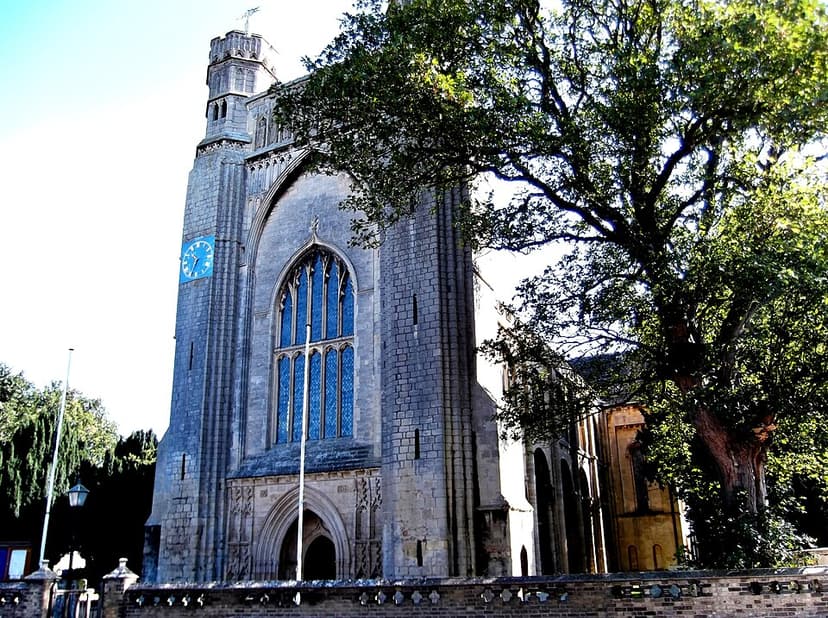
Thorney Abbey was a significant medieval English Benedictine monastery located in Thorney, Cambridgeshire. Its history traces back to a 7th-century hermitage, with a Benedictine foundation in the 10th century. Following the Norman Conquest, a substantial rebuilding program commenced, establishing it as a prominent religious center. While most of its structures were dismantled after the Dissolution of the Monasteries in the 16th century, the nave of its church survived and was later restored as the Parish Church of St Mary and St Botolph.

Bardsey Abbey
Bardsey Abbey, also known as St Mary's Abbey, was a significant religious site founded in the 6th century on Bardsey Island, Wales. It served as a major center of pilgrimage and a burial place for saints and important figures. The monastery, which eventually became part of the Augustinian Canons Regular by 1212, was dissolved and its buildings demolished in 1537 by Henry VIII, though the island retains its spiritual importance and is a destination for modern pilgrims.

Bentley Priory
Bentley Priory began as a medieval priory for Augustinian Canons in Middlesex, though no remnants of the original structure survive. The current stately home, designed by Sir John Soane, was built in the late 18th century and expanded over the following decades. It later served as the final residence for Queen Adelaide, a hotel, and a girls' school before becoming the crucial headquarters for RAF Fighter Command during World War II. Today, parts of the building house a museum dedicated to its wartime role, while the grounds function as a nature reserve.