
Passionist Fathers Monastery
The Passionist Fathers Monastery, located in Chicago, Illinois, is a historic religious building constructed in 1910 for the Passionists, a Roman Catholic monastic order known for its emphasis on austere living and spiritual retreats. Designed by architect Joseph Molitor, the monastery showcases a blend of Classical Revival, Baroque Revival, and Romanesque Revival architectural styles. It was added to the National Register of Historic Places in 2013, recognizing its architectural significance and historical role.
Key Facts
- ›Built in 1910 for the Passionist order.
- ›Designed by architect Joseph Molitor.
- ›Features a combination of Classical Revival, Baroque Revival, and Romanesque Revival architectural styles.
- ›The main entrance is a prominent Classical Revival element.
- ›Added to the National Register of Historic Places on March 6, 2013.

Classical Revival, Baroque Revival, Romanesque Revival
- Main Entrance With Balustrade and Detailed Pediment
- Dutch Gable Above the Main Entrance
- Rounded Arched Windows
- Corbeling
Joseph Molitor
- Added To the National Register of Historic Places On March 6, 2013.
About Passionist Fathers Monastery
The Passionist Fathers Monastery, situated at 5700 N. Harlem Avenue in Chicago's Norwood Park neighborhood, is a significant historical structure. It was erected in 1910 to serve as a center for the Passionists, a Roman Catholic monastic order dedicated to lives of austere living and the provision of spiritual retreats. The architectural design of the monastery is attributed to Joseph Molitor, an architect notable for his work on several churches within the Archdiocese of Chicago during the early twentieth century.
Architectural Significance
The monastery's design is a noteworthy synthesis of several revivalist architectural styles. It prominently features elements of Classical Revival, particularly in its main entrance, which is distinguished by a balustrade and an intricate pediment. The Baroque Revival influence is visible in the Dutch gable positioned above the main entrance. Furthermore, the Romanesque Revival style contributes to the building's character through its rounded arched windows and corbeling. This combination of styles creates a visually rich and historically layered edifice.
Historical Recognition
Recognizing its historical and architectural value, the Passionist Fathers Monastery was officially added to the National Register of Historic Places on March 6, 2013. This listing acknowledges the building's importance within the context of Chicago's architectural history and its role as a former monastic center.
Source: Wikipedia ↗
Frequently Asked Questions
When was the Passionist Fathers Monastery built?
The Passionist Fathers Monastery was built in 1910. It was constructed to serve as a home for the Passionists, a Roman Catholic monastic order.
What architectural styles are represented at the monastery?
The monastery incorporates elements from Classical Revival, Baroque Revival, and Romanesque Revival architectural styles. This blend is evident in features like the main entrance, Dutch gable, and arched windows.
Who designed the Passionist Fathers Monastery?
The monastery was designed by architect Joseph Molitor. Molitor was also known for designing several churches for the Archdiocese of Chicago during the early 20th century.
Is the Passionist Fathers Monastery a historic landmark?
Yes, the Passionist Fathers Monastery was added to the National Register of Historic Places on March 6, 2013. This designation recognizes its historical and architectural importance.
What was the purpose of the Passionist Fathers Monastery?
The monastery was built for the Passionists, a Roman Catholic order. This order was known for its commitment to austere living and for hosting spiritual retreats for others.
Related Monasteries
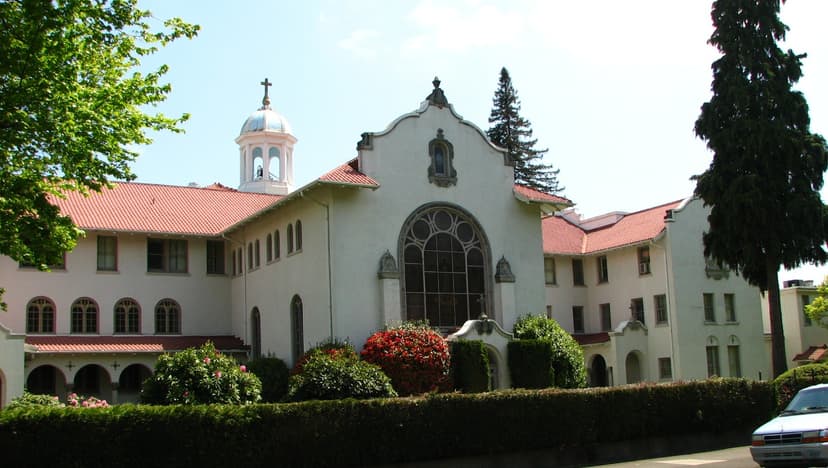
Monastery of the Precious Blood
The Monastery of the Precious Blood is a historic building located in the Montavilla neighborhood of southeast Portland, Oregon. It is recognized for its architectural significance and is listed on the National Register of Historic Places. The building's history and specific purpose are primarily documented through its inclusion on this register.
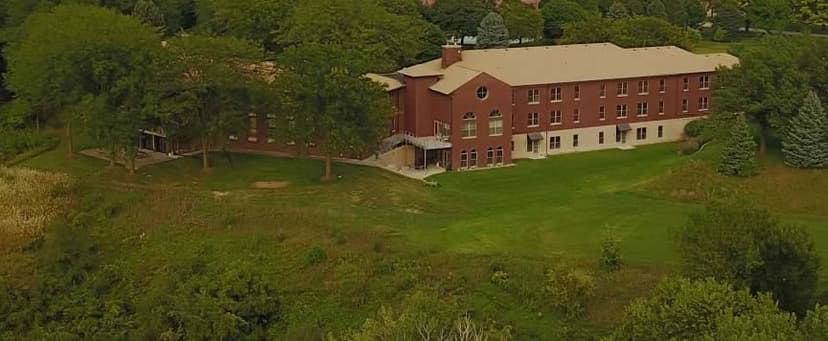
Mount Michael Abbey
Mount Michael Abbey is a Benedictine monastery located outside Elkhorn, Nebraska, within the Archdiocese of Omaha. Founded in 1952, it traces its roots to Engelberg Abbey in Switzerland and Conception Abbey in Missouri. The abbey's primary apostolate is education, operating an attached high school, and its community follows the Rule of Saint Benedict, balancing prayer with various forms of work.

Weston Priory
Weston Priory is a Benedictine monastic community located in Weston, Vermont, founded in 1953. It is known for its contributions to Roman Catholic liturgical music, its engagement with social justice and peace movements, and the crafts produced by its monks. The priory also has a notable connection to Latin America and is part of the Swiss-American Congregation.