
Muri-Gries Abbey
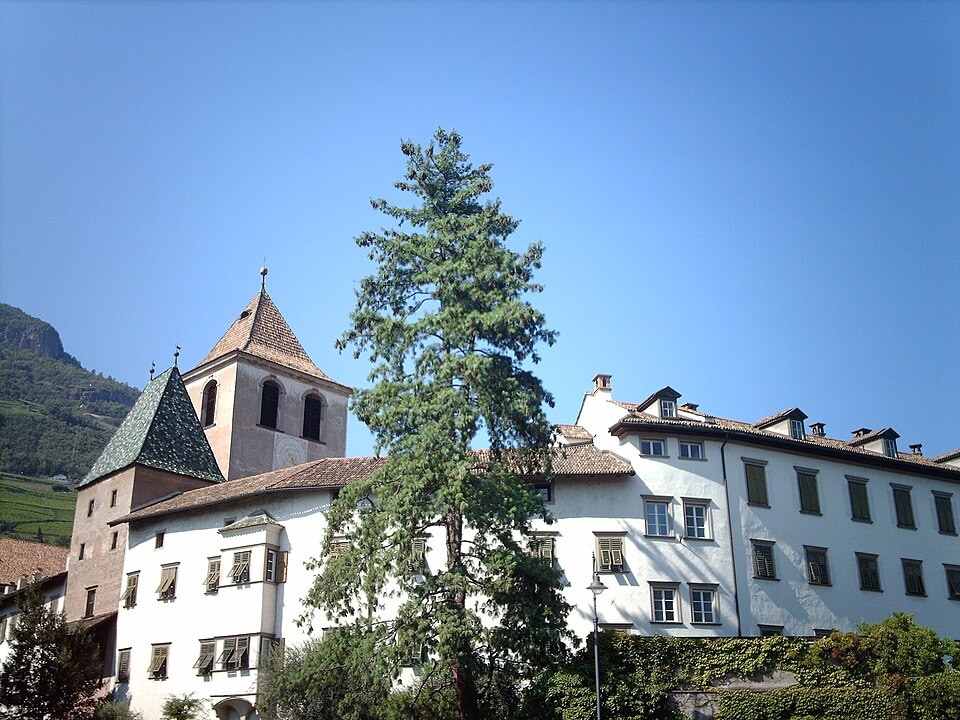
Muri-Gries Abbey is a Benedictine monastery located in Bolzano, South Tyrol, Italy, established in 1845 as an offshoot of the former Muri Abbey in Switzerland. It is known for its wine-making and houses a valuable library and a Nativity Scene Museum. The abbey traces its history back to an Augustinian foundation in the area in 1163.
Key Facts
- ›Founded in 1845 by Benedictine monks from Muri Abbey, Switzerland.
- ›Succeeded an earlier Augustinian monastery established in 1163.
- ›Known for its agricultural activities, particularly wine-making.
- ›Houses a significant library containing salvaged items from the original Muri Abbey.
- ›The former Augustinian church's bell tower now serves as the abbey's bell tower.
- ›The abbey's winery is located in the former Augustinian seminary.
Baroque
Library, Nativity Scene Museum, Winery, Bell Tower
Benediktinerabtei Muri-Gries, Abbazia Dei Benedettini Di Muri-Gries
Gregory Xvi
- Augustinian Monastery Founded
- Augustinian Convent Flooded By Eisack River
- Augustinian Canons Given Castle of Counts of Tyrol
- Church Built
- Monastery Pillaged By Insurgent Peasants
- Augustinian Monastery Dissolved
- Monasteries In Switzerland Dissolved
- Transfer of Muri Community To Gries Confirmed
About Muri-Gries Abbey
Muri-Gries Abbey, known in German as Benediktinerabtei Muri-Gries and in Italian as Abbazia dei Benedettini di Muri-Gries, is a Benedictine monastery situated in Bolzano, South Tyrol, Italy. Established in 1845, it originated as an offshoot of the former Muri Abbey located in Aargau, Switzerland. The abbey is a member of the Swiss Congregation of the Benedictine Confederation and is particularly recognized for its wine-making enterprises.
History
The site's monastic history dates back to 1163 with the founding of an Augustinian monastery. This Augustinian convent faced destruction from floods of the Eisack river in 1406, after which Duke Leopold of Habsburg granted the canons the 11th-century castle of the Counts of Tyrol in the Gries district. A church was constructed in 1416, utilizing remnants of the keep as its bell tower. The monastery experienced a period of unrest when insurgent peasants pillaged it in 1525. The baroque collegiate church, dedicated to St. Augustine and adorned by the painter Martin Knoller, was completed in 1769. In 1807, following Tyrol's incorporation into Bavaria, the Augustinian monastery, like many others, was dissolved.
The Benedictine presence at Gries traces its lineage to the monastery of St. Martin, founded by the Habsburgs at Muri in 1027, which itself was established from the Abbey of St. Meinrad at Einsiedeln. When Swiss monasteries were dissolved in 1841, the abbot of Muri was invited to manage a cantonal college at Sarnen. The main body of the monks resided there until Austrian Emperor Ferdinand I offered them a residence at Gries, near Bozen, in an old priory formerly occupied by the Canons Regular of the Lateran and vacant since 1807. The Holy See sanctioned this transfer, with Pope Gregory XVI confirming the relocation of the Muri community to Gries via a Brief dated September 16, 1844.
Present Day
Muri-Gries Abbey is an active member of the Swiss Congregation of the Benedictine Confederation. The monks successfully preserved a significant portion of their library from the original Muri Abbey, and the current library also incorporates items from the earlier Augustinian community. The abbey's bell tower now houses the Nativity Scene Museum. The abbey sustains itself through various agricultural ventures, including vineyards, fruit orchards, a farm, meadows, and woods. The area that once served as the Augustinian seminary now accommodates the abbey's winery.
Source: Wikipedia ↗
Frequently Asked Questions
When was Muri-Gries Abbey founded?
The Benedictine Muri-Gries Abbey was founded in 1845. However, the site has a longer history, with an Augustinian monastery established in the area in 1163.
What is Muri-Gries Abbey known for?
Muri-Gries Abbey is primarily known for its wine-making. It also houses a valuable library and a Nativity Scene Museum.
What was at the site before the Benedictines arrived?
Before the Benedictines, an Augustinian monastery existed on the site, founded in 1163. This Augustinian convent was later given the 11th-century castle of the Counts of Tyrol in the Gries district.
What historical religious order was previously at Muri-Gries?
An Augustinian monastery was originally founded in the area in 1163. The Benedictine community took over the vacant priory after the Augustinian monastery was dissolved.
Does Muri-Gries Abbey have a library?
Yes, Muri-Gries Abbey manages to maintain a valuable part of its library salvaged from the original Muri Abbey. The current library also includes items from the earlier Augustinian community.
Related Monasteries

Nazarene Sisters
The Nazarene Sisters, officially known as the Daughters of the Passion of Jesus the Nazorean, were founded in 1865 by Italian Roman Catholic priest Marcantonio Durando with the assistance of Luigia Borgiotti. Durando, a member of the Congregation of the Mission, was dedicated to following the teachings of Vincent de Paul and sought to establish a new order for women. The order was established during a period of societal and ecclesiastical change in Italy, and Durando's spiritual guidance was instrumental in its formation and early development.

Marienberg Abbey
Marienberg Abbey is a Benedictine monastery located in Mals, South Tyrol, northern Italy, founded in 1149 or 1150. It is notable for being Europe's highest-standing abbey at 1,340 meters and for its long tradition of education. The abbey retains a Baroque architectural style with Romanesque elements and features well-maintained frescos, having undergone periods of destruction and restoration throughout its history.

Innichen Abbey
Innichen Abbey, originally a Benedictine monastery founded in the 8th century in Innichen, South Tyrol, is now a former abbey. Its collegiate church, dedicated to Saint Candidus and largely rebuilt in Romanesque style during the 12th and 13th centuries, is renowned as the most significant Romanesque structure in Tyrol and the Eastern Alps. The church features a notable 13th-century fresco cycle depicting the History of Creation within its dome and a 13th-century sculpture of the patron saints.