
Munkeby Abbey
Munkeby Abbey was a Cistercian monastery founded between 1150 and 1180, located in Trøndelag county, Norway. It was the most northerly Cistercian foundation in the world and functioned as an independent house until the 13th century, after which its assets were transferred to Tautra Abbey. The abbey was dissolved during the Protestant Reformation in 1537, and today its medieval ruins are managed by the Society for the Preservation of Ancient Norwegian Monuments. In 2007, a new Trappist monastery, Munkeby Mariakloster, was established nearby.
Key Facts
- ›Founded between 1150 and 1180, it was the northernmost Cistercian foundation globally.
- ›Its community and assets were likely transferred to Tautra Abbey in the 13th century.
- ›The church remained in use as a parish church until 1587.
- ›The monastic buildings, constructed of wood, are believed to have been destroyed by fire in 1567.
- ›Medieval ruins of the church are managed by the Society for the Preservation of Ancient Norwegian Monuments.
- ›A new Trappist monastery, Munkeby Mariakloster, was established on a nearby site in 2009.

Romanesque
- Medieval Church Ruins
- Site of the Northernmost Cistercian Foundation In the World
Munkeby Kloster
- Dissolution During the Protestant Reformation In 1537
- Possible Transfer of Community and Assets To Tautra Abbey In the 13th Century
- Fire Destroying Monastic Buildings In 1567
- Establishment of A New Trappist Monastery In 2009
About Munkeby Abbey
Munkeby Abbey, historically known as Munkeby kloster, was a significant Cistercian monastery situated in Trøndelag county, Norway. Founded between 1150 and 1180, it held the distinction of being the most northerly Cistercian foundation in the world. The name "Munkeby" itself translates to "Place of the Monks" in Norwegian, reflecting its monastic purpose. While it operated as an independent house for a period, its community and assets were likely transferred to Tautra Abbey during the 13th century. The abbey met its end during the Protestant Reformation, officially closing and becoming Crown property in 1537, though its church continued to serve as a parish church until 1587.
History and Significance
The establishment of Munkeby Abbey marked a notable expansion of Cistercian influence into Scandinavia. It is believed that English monks may have been instrumental in its foundation, similar to other Cistercian houses in Norway. The abbey's existence as an independent entity eventually ceased, with its functions and resources being absorbed by Tautra Abbey. An attempt to re-establish it as an independent house in the 1470s proved unsuccessful. The church, however, retained a role as a local parish church for several decades after the abbey's dissolution.
Present Day
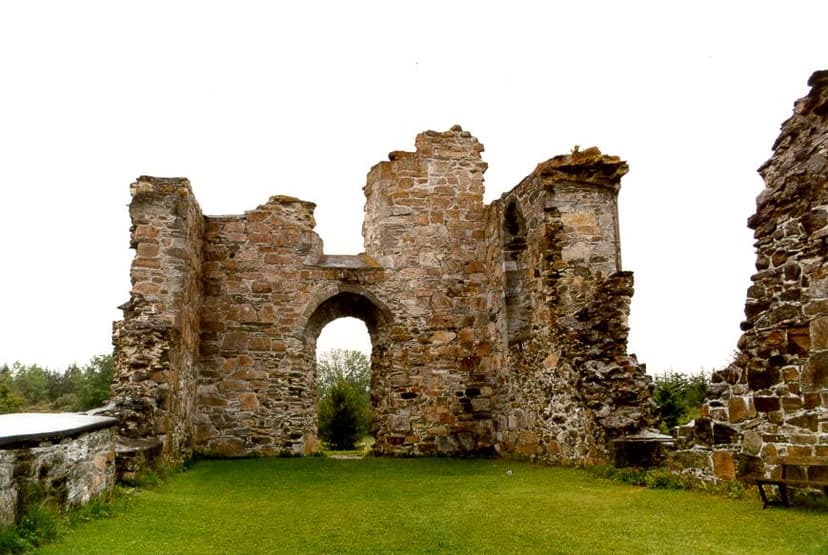
Today, Munkeby Abbey exists primarily as a site of medieval ruins. The substantial remains of its stone church are managed by the Society for the Preservation of Ancient Norwegian Monuments. While the monastic buildings, constructed of wood, are believed to have been lost to a fire in 1567, ongoing archaeological efforts continue to explore the site. In a significant revival of monastic life at the location, a new Trappist monastery, Munkeby Mariakloster, was established in 2007 and began operations in 2009. This modern community is located approximately 1.5 kilometers from the historical ruins, continuing a centuries-long tradition of monastic presence in the area.
Source: Wikipedia ↗
Frequently Asked Questions
When was Munkeby Abbey founded?
Munkeby Abbey was founded sometime between 1150 and 1180. This period places its establishment in the late 12th century.
What is the current status of Munkeby Abbey?
The original Munkeby Abbey is now a site of medieval ruins, managed by the Society for the Preservation of Ancient Norwegian Monuments. A new Trappist monastery, Munkeby Mariakloster, was established nearby in 2009.
What happened to Munkeby Abbey during the Reformation?
Following Norway's acceptance of the Protestant Reformation, all Roman Catholic religious houses, including Munkeby Abbey, were seized and declared Crown property in 1537. The church, however, continued to be used as a parish church until 1587.
What are the remaining structures of the original abbey?
Substantial remains of the simple stone church still exist, although it was used as a quarry. The monastic buildings, constructed of wood, are thought to have been destroyed by fire in 1567, and few significant remains of them have been discovered.
Is there an active monastic community at Munkeby today?
Yes, a new Trappist monastery named Munkeby Mariakloster was established in 2007 and took up residence in 2009. This modern monastery is situated about 1.5 kilometers from the medieval ruins.
Related Monasteries

Lyse Abbey
Lyse Abbey, also known as Saint Mary's Abbey, Lyse, was a significant Cistercian monastery founded in 1146 near Lysefjorden in southwestern Norway. It was the first Cistercian house in Norway, established by the Bishop of Bergen with monks from Fountains Abbey. Over centuries, the abbey accumulated considerable wealth and land through its skilled farming practices, becoming a powerful institution before its dissolution in 1536 with the establishment of Lutheranism as the state religion.
Tautra Abbey
Tautra Abbey was a significant Cistercian monastery established in 13th century Norway, playing a notable role in the country's politics until its dissolution during the Reformation. Today, the well-preserved ruins of the medieval church serve as a popular tourist attraction, while a new Trappistine community, Tautra Monastery, was founded nearby in 1999, marking the return of Cistercian life to Norway.

Hovedøya Abbey
Hovedøya Abbey was a significant medieval Cistercian monastery located on the island of Hovedøya in the Oslofjord, Norway. Founded in 1147 by monks from England, it quickly became one of the wealthiest institutions in Norway during the medieval period. The abbey's existence was brought to an end by political turmoil and the Reformation, with its buildings later quarried for stone, leaving behind some of the most complete monastic ruins in Norway.