
Moissac Abbey
Christian·France·active church with preserved medieval buildings·7th century
Moissac Abbey was a significant Benedictine and later Cluniac monastery located in Moissac, France. Historically, it faced numerous challenges including raids and fires, but experienced periods of great prosperity, particularly in the 11th and 12th centuries, becoming one of the most powerful abbeys in France. Today, its surviving medieval buildings, especially the abbey church with its renowned Romanesque sculpture, are a testament to its rich artistic and historical legacy.
Key Facts
- ›Founded in the MID-7th century by Saint Didier, bishop of Cahors, though legend attributes its founding to King Clovis in 506.
- ›Affiliated with the Cluniac Reforms in the 11th and 12th centuries, becoming second in seniority only to the Abbey of Cluny.
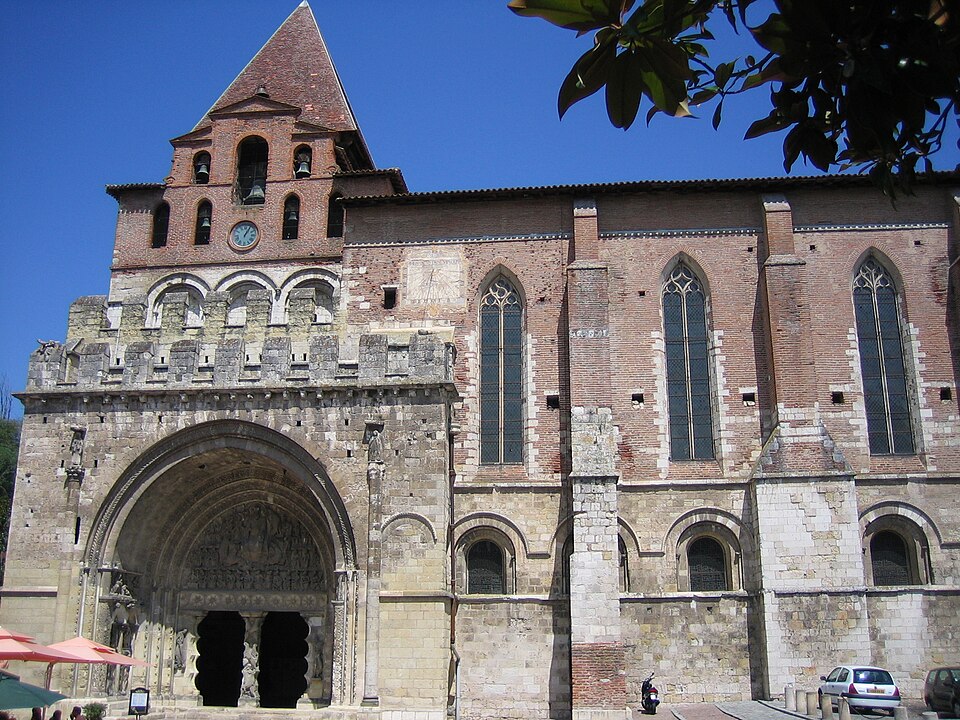
- ›The abbey church features a famous Romanesque sculpture, including a tympanum depicting the Apocalypse and a statue of the Prophet Isaiah.
- ›The cloister, completed in 1100, also showcases notable Romanesque sculpture.
- ›The abbey was secularized in the 15th century, with Benedictine monks replaced by Augustinian canons.
- ›Since 1998, the church and cloisters have been part of the UNESCO World Heritage Site 'Routes of Santiago de Compostela in France'.
Romanesque, Gothic
- Romanesque Sculpture Around the Church Entrance
- Tympanum Depicting the Apocalypse
- Statue of the Prophet Isaiah
- Romanesque Cloister
- Abbey Church
Saint Didier, Clovis, Odilon De MercœUr, Durand De Bredons, Dom Hunaud De Gavarret, Dom Ansquitil, Raymond De Montpezat, Bertrand De Montaigut, Aymeric De Peyrac, Pierre De Caraman, Antoine De Caraman, Cardinal Mazarin, Cardinal De Brienne
- Legendary Founding By King Clovis In 506.
- Historical Founding By Saint Didier In the Mid-7th Century.
- Raids By Moors Around 732.
- Looting By Norman Pirates In the 9th Century.
- Looting By Hungarians In the 10th Century.
- Roof Collapse In 1030.
- Serious Fire In 1042.
- Introduction of Cluniac Reforms In 1047.
- Construction of A New Church Building In 1063.
- Visit and Consecration By Pope Urban Ii In 1097.
- Construction of the Cloister Completed In 1100.
- Secularization of the Abbey In the 15th Century.
- Replacement of Benedictine Monks By Augustinian Canons.
- End of Monastic Life During the French Revolution In 1793.
- Saving of the Cloister From Demolition For Railway Construction In the Mid-19th Century.
- Listing As A Historic Monument In the Mid-19th Century.
- Inclusion As Part of A Unesco World Heritage Site In 1998.
About Moissac Abbey
Moissac Abbey, situated in Moissac, Tarn-et-Garonne, in south-western France, stands as a historically significant Benedictine and later Cluniac monastery. While legend attributes its founding to King Clovis in 506, historical records point to its establishment in the mid-7th century by Saint Didier, bishop of Cahors. The abbey's early history was marked by considerable hardship, including frequent raids by Moors, Norsemen, and Hungarians, as well as structural issues like a roof collapse and fire.
Golden Ages and Architectural Masterpieces
The 11th and 12th centuries represented a golden age for Moissac Abbey. Its affiliation with the Cluniac Reforms and papal support, coupled with its strategic location on pilgrim routes, elevated it to become one of the most powerful abbeys in France. During this period, significant construction and restoration took place, including the addition of a new church building and the completion of its famous cloister in 1100. The abbey church is particularly celebrated for its Romanesque sculpture, a masterpiece of the era. The south-west portico features a renowned tympanum depicting the Apocalypse and a striking statue of the Prophet Isaiah, showcasing an expansion in the scope and scale of medieval sculpture.
Later History and Preservation
In the 15th century, the abbey entered another period of prosperity under the rule of abbots Pierre and Antoine de Caraman, who oversaw the construction of the Gothic sections of the abbey church. However, the secularization in 1626 led to the departure of the Benedictine monks and their replacement by Augustinian canons. The French Revolution in 1793 marked the end of monastic life at Moissac. Despite considerable damage to outlying buildings, the abbey church of St Pierre was preserved and remains an active place of worship. The cloister, threatened by railway construction in the 19th century, was ultimately saved and designated as a historic monument. In recognition of its exceptional artistic and historical importance, the church and cloisters were inscribed as part of the UNESCO World Heritage Site 'Routes of Santiago de Compostela in France' in 1998.
Source: Wikipedia ↗
Frequently Asked Questions
When was Moissac Abbey founded?
Historical records indicate that Moissac Abbey was founded by Saint Didier, bishop of Cahors, in the middle of the 7th century. However, a legend attributes its founding to the Frankish king Clovis in 506.
What is Moissac Abbey most famous for architecturally?
Moissac Abbey is renowned for its Romanesque sculpture, particularly around the entrance of the abbey church. The tympanum, which depicts the Apocalypse, and the statue of the Prophet Isaiah are considered masterpieces of Romanesque art.
What was the significance of Moissac Abbey within the Cluniac order?
During its first golden age in the 11th and 12th centuries, Moissac Abbey was affiliated with the Cluniac Reforms. It held a high position within the Cluniac hierarchy, with its abbot being second in seniority only to the abbot of Cluny himself.
What happened to Moissac Abbey during the French Revolution?
The French Revolution in 1793 brought an end to monastic life at Moissac. While the abbey church of St Pierre remains relatively intact and is still an active church, many of the outlying buildings suffered significant damage.
Is Moissac Abbey a UNESCO World Heritage Site?
Yes, since 1998, the church and cloisters of Moissac Abbey have been recognized as part of the UNESCO World Heritage Site 'Routes of Santiago de Compostela in France'.
Related Monasteries

Lier
Lier is a Belgian municipality in the province of Antwerp, known for its historical significance, including its beguinage recognized as a UNESCO World Heritage Site. The city's history is marked by pivotal European events like a royal marriage and the selection of a livestock market over a university. Lier is also recognized by its nickname, "Sheep Heads," and the popular rhyme "Lierke Plezierke."
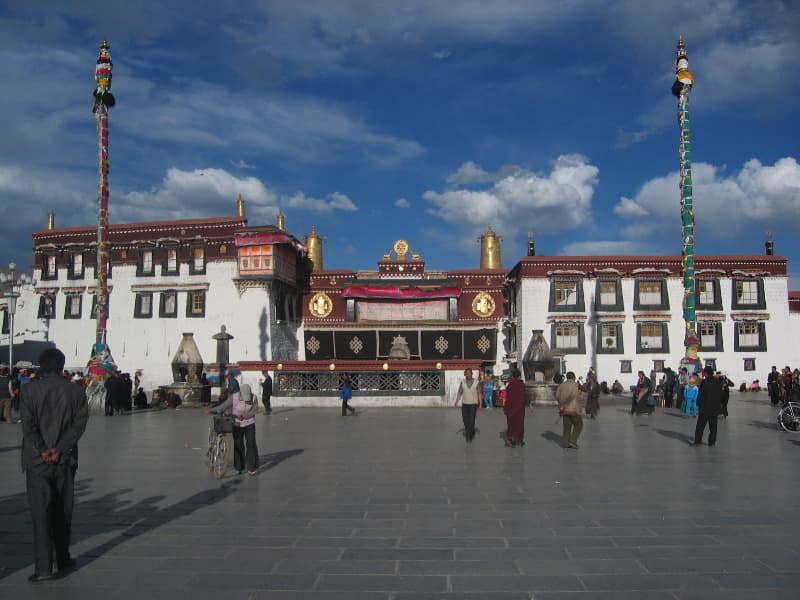
Jokhang Temple
The Jokhang Temple, also known as Rasa Trulnang or Zuglagkang, is a Tibetan Buddhist temple complex and monastery in Lhasa, considered the spiritual heart of the city. Constructed around 640 CE by King Songsten Gampo, it was built to house the Jowo Mikyo Dorje statue. Over centuries, it has undergone expansions and renovations, most notably by the Fifth Dalai Lama in 1610, and was designated a UNESCO World Heritage Site in 2000 as an extension of the Potala Palace.

Saint Gayane Church
The Saint Gayane Church is a 7th-century Armenian Apostolic church located in Vagharshapat, Armenia, renowned for its well-preserved early medieval architecture. Constructed in 630 AD by Catholicos Ezra I on a site associated with the martyrdom of Saint Gayane, the church uniquely combines the longitudinal basilica and centrally domed church forms. Its architectural significance lies in this synthesis, which influenced later Armenian church designs, and its role as a pilgrimage site commemorating early Christian martyrs.