
Mettā Forest Monastery
Theravāda Buddhism·United States·active·20th century
Mettā Forest Monastery, also known as Mettāvanārāma or Wat Mettā, is a Theravāda Buddhist monastery located in Valley Center, California. Founded in 1991 by Ajaan Suwat Suvaco and Ṭhānissaro Bhikkhu, it is significant for its role in establishing Theravāda Buddhism in the United States. The monastery emphasizes strict adherence to monastic codes and provides a space for both resident monks and lay Buddhists to practice.
Key Facts
- ›Founded in 1991 by Ajaan Suwat Suvaco and Ṭhānissaro Bhikkhu.
- ›Resident abbot has been Ṭhānissaro Bhikkhu since 1993.
- ›Currently houses ten resident bhikkhus (nine American, one Thai).
- ›Emphasizes strict adherence to the Vinaya (Buddhist monastic code).
- ›Follows the traditions of the Thai Forest Tradition.
- ›Provides space for lay Buddhists on overnight retreats.
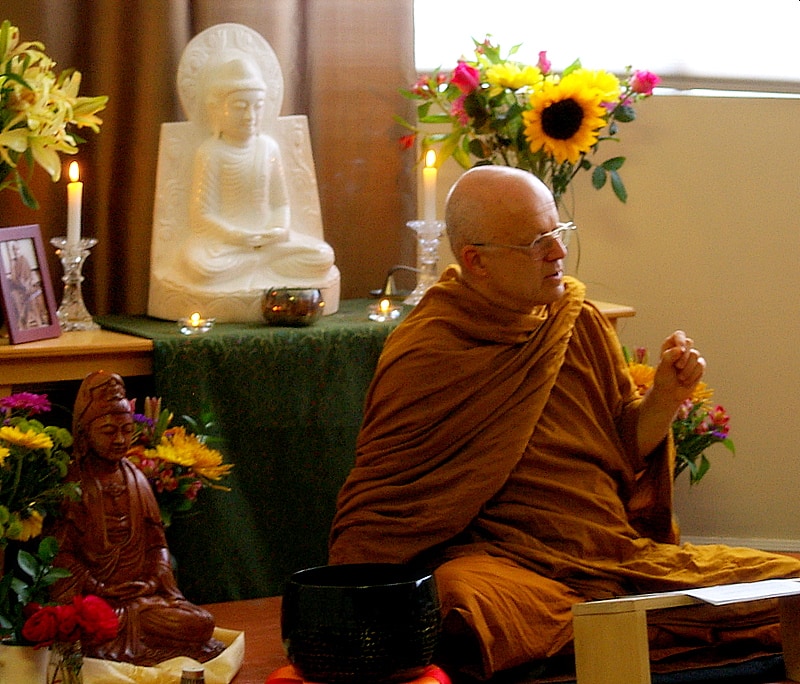
Emphasis On Strict Adherence To Vinaya, Space For Lay Buddhists On Retreat, Part of the Thai Forest Tradition
MettāVanāRāMa, Wat Mettā
Ajaan Suwat Suvaco, ṭHāNissaro Bhikkhu
Founding of the Monastery In 1991, Establishment of TheravāDa Buddhism In the Us
About Mettā Forest Monastery
Mettā Forest Monastery, also known by its Pali name Mettāvanārāma or the local designation Wat Mettā, is a Theravāda Buddhist monastery situated in Valley Center, California. Its establishment in 1991 by Ajaan Suwat Suvaco, alongside his student Ṭhānissaro Bhikkhu, marks a significant development in the presence of Theravāda Buddhism within the United States. The monastery is a part of the Thai Forest Tradition, an influential lineage known for its emphasis on asceticism and strict adherence to monastic discipline.
Historical Context and Significance
The founding of Mettā Forest Monastery occurred during a period of growth for Buddhist institutions in the US. Theravāda Buddhism, introduced to the country in the late 1960s, saw an increase in temple construction throughout the 1980s and 1990s, with Mettā Forest being one of fourteen such monasteries established in California during the latter decade. The monastery's existence is partly due to a generous donation of land, with the clear intention that a monastic community would be established there. This has facilitated its role in drawing Buddhists from the surrounding California region and beyond, serving as a center for practice and community connection.
Monastic Life and Practice
Under the guidance of resident abbot Ṭhānissaro Bhikkhu since 1993, Mettā Forest Monastery places a strong emphasis on the strict observance of the Vinaya, the Buddhist monastic code. This includes the practice of relying solely on donations from the lay community and maintaining a lifestyle that often involves living in natural or wilderness settings, a hallmark of the Thai Forest Tradition. The monastery also welcomes lay Buddhists, offering them opportunities for overnight retreats. Visitors and residents alike are expected to uphold the Eight Precepts, which serves as an introduction to the principles of Theravāda Buddhist practice. The current community comprises ten resident bhikkhus, with nine being American and one Thai, alongside provisions for lay practitioners.
Source: Wikipedia ↗
Frequently Asked Questions
When was Mettā Forest Monastery founded?
Mettā Forest Monastery was founded in 1991. It was established by Ajaan Suwat Suvaco and his student Ṭhānissaro Bhikkhu.
Who is the current abbot of Mettā Forest Monastery?
Ṭhānissaro Bhikkhu has been the resident abbot of Mettā Forest Monastery since 1993. He was one of the monastery's founders.
What is the religious tradition of Mettā Forest Monastery?
Mettā Forest Monastery is a Theravāda Buddhist monastery. It belongs to the Thai Forest Tradition.
What are the key practices emphasized at Mettā Forest Monastery?
The monastery stresses strict adherence to the Vinaya, the Buddhist monastic code, which includes relying on donations from the lay community and living in the wilderness. Visitors are also expected to follow the Eight Precepts of Buddhism.
How many monks reside at Mettā Forest Monastery?
Currently, there are ten resident bhikkhus at Mettā Forest Monastery. This includes nine American bhikkhus and one Thai bhikkhu.
Is Mettā Forest Monastery important for Theravāda Buddhism in the US?
Yes, the founding of Mettā Forest Monastery is considered important for establishing Theravāda Buddhism within the United States. It emerged during a period of increased temple building in the 1990s.
Related Monasteries

Chuang Yen Monastery
Chuang Yen Monastery, meaning "Majestically Adorned," is a significant Buddhist temple located on 225 acres in Kent, New York. Established through a long-term lease and subsequent donation of land to the Buddhist Association of the United States, it is renowned for housing the largest indoor Buddha statue in the Western Hemisphere. The monastery's architecture largely reflects the Tang dynasty style of China and has been developed with various halls and facilities since its groundbreaking in 1981.

Dai Bosatsu Zendo Kongo-ji
Dai Bosatsu Zendo Kongo-ji is a Rinzai Zen monastery and retreat center situated in the Catskill Mountains of New York. Established in 1976 as part of the Zen Studies Society, it offers intensive spiritual training, daily services, and retreats. The monastery has faced controversy regarding its co-founder, Eido Shimano, leading to his resignation and a public statement from his claimed lineage sect disavowing him.
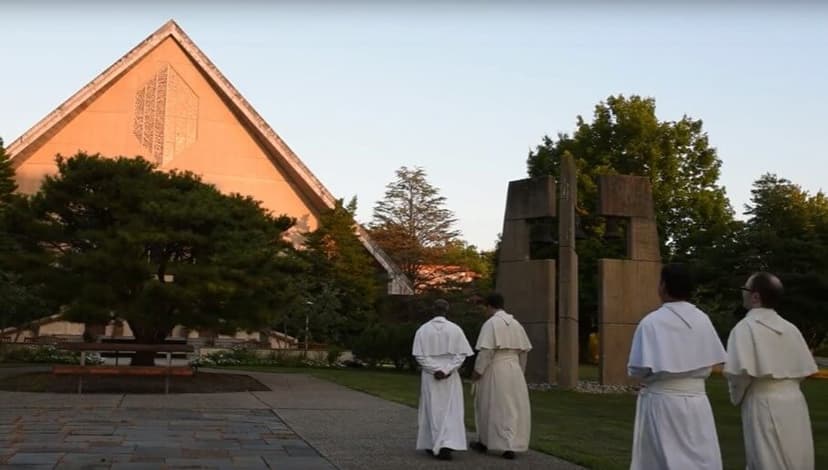
Daylesford Abbey
Daylesford Abbey is a Catholic monastery of the Norbertine order, located in Chester County, Pennsylvania. Founded in the 1950s to expand the Norbertine presence on the East Coast, it was established on the Cassatt Estate and later moved to its present 88-acre site in Paoli. The abbey is known for its solemn liturgies, adherence to the Rule of St. Augustine, and its ministries in education and social services, including a prominent role in supporting the homeless.