
Dai Bosatsu Zendo Kongo-ji
Rinzai Zen Buddhism·United States·active·20th century
Dai Bosatsu Zendo Kongo-ji is a Rinzai Zen monastery and retreat center situated in the Catskill Mountains of New York. Established in 1976 as part of the Zen Studies Society, it offers intensive spiritual training, daily services, and retreats. The monastery has faced controversy regarding its co-founder, Eido Shimano, leading to his resignation and a public statement from his claimed lineage sect disavowing him.
Key Facts
- ›Located on 1,400 acres in the Catskill Mountains, New York.
- ›Founded on July 4, 1976.
- ›Part of the Zen Studies Society, founded to support D.T. Suzuki's work.
- ›Offers daily zazen, chanting, samu, kessei, sesshin, and weekend retreats.
- ›Affiliated with New York Zendo in Manhattan.
- ›Features a cemetery, 'Sangha Meadow', for deceased sangha members.

Sangha Meadow Cemetery, Retreat Center Facilities
International Dai Bosatsu Zendo Kongo-Ji
D.T. Suzuki, Shinge-Shitsu Roko Sherry Chayat Roshi, Chigan-Kutsu Kyo-On Dukuro Jaeckel Roshi, Eido Shimano, Soen Nakagawa Roshi, Chester Carlson
- Resignation of Eido Shimano Amid Controversy
- Installation of Abbot Chigan-Kutsu Kyo-On Dukuro Jaeckel Roshi
About Dai Bosatsu Zendo Kongo-ji
Dai Bosatsu Zendo Kongo-ji, also known as International Dai Bosatsu Zendo Kongo-ji, is a Rinzai Zen Buddhist monastery and retreat center nestled within the Catskill Mountains of upstate New York. Established on July 4, 1976, it is an integral part of the Zen Studies Society, an organization founded in 1956 to support the work and teachings of D.T. Suzuki. The monastery serves as a practice center offering daily services, including zazen (seated meditation), chanting, and samu (work practice), alongside more intensive training programs.
Activities and Training
The monastery provides a range of spiritual training opportunities. These include traditional kessei, a rigorous three-month period of intensive practice within a Zen monastery, as well as weeklong sesshin (intensive meditation retreats) and shorter weekend retreats held throughout the year. Students aspiring to ordination under Abbot Chigan Roshi are expected to reside at the monastery for 1,000 days post-ordination, after which they may choose to remain or return to secular life.
Location and Affiliations
Situated on 1,400 acres of deciduous forest near Beecher Lake, Dai Bosatsu Zendo Kongo-ji is approximately a three-hour drive north of New York City. The property includes 'Sangha Meadow,' a cemetery designated for the remains of deceased sangha members, including a portion of the ashes of Soen Nakagawa Roshi. The monastery maintains an affiliation with New York Zendo, located in Manhattan.
Historical Context and Controversy
Dai Bosatsu Zendo Kongo-ji has been associated with significant figures in Zen Buddhism in the United States. However, its history also includes controversy. In 2010, Eido Shimano, a co-founder and abbot for over three decades, resigned from the Zen Studies Society Board of Directors following accusations of inappropriate relationships with students. An investigation committee later found that sexual acts were often initiated during private teacher-student interactions. In response to these controversies, the Myoshinji headquarters, the claimed lineage sect of Shimano, issued a public statement in 2012 indicating no connection with Eido Shimano, his activities, or his affiliated organizations, and stated that he and his successors were not certified priests or recognized teachers of the Myōshin-ji branch of Zen.
Source: Wikipedia ↗
Frequently Asked Questions
Where is Dai Bosatsu Zendo Kongo-ji located?
Dai Bosatsu Zendo Kongo-ji is situated in the Catskill Mountains of upstate New York, approximately a 3-hour drive north of New York City. Its mailing address is in Livingston Manor, near Beecher Lake.
When was Dai Bosatsu Zendo Kongo-ji founded?
The monastery was established on July 4, 1976.
What kind of activities are offered at Dai Bosatsu Zendo Kongo-ji?
The monastery provides daily services including zazen (seated meditation), chanting, and samu (work practice). It also offers intensive three-month training periods called kessei, weeklong sesshin, and weekend retreats.
Is Dai Bosatsu Zendo Kongo-ji affiliated with any other organizations?
Yes, Dai Bosatsu Zendo Kongo-ji is part of the Zen Studies Society and is affiliated with New York Zendo, located on the Upper East Side of Manhattan.
What is the significance of 'Sangha Meadow'?
'Sangha Meadow' is a cemetery located on the monastery grounds where the remains of deceased sangha members are housed, including a portion of the ashes of Soen Nakagawa Roshi.
What controversy is associated with Dai Bosatsu Zendo Kongo-ji?
In 2010, Eido Shimano, a co-founder, resigned from the Zen Studies Society Board of Directors amid controversy over relationships with female students. His claimed lineage sect later issued a statement disassociating themselves from him and his organizations.
Related Monasteries

Chuang Yen Monastery
Chuang Yen Monastery, meaning "Majestically Adorned," is a significant Buddhist temple located on 225 acres in Kent, New York. Established through a long-term lease and subsequent donation of land to the Buddhist Association of the United States, it is renowned for housing the largest indoor Buddha statue in the Western Hemisphere. The monastery's architecture largely reflects the Tang dynasty style of China and has been developed with various halls and facilities since its groundbreaking in 1981.
Daylesford Abbey
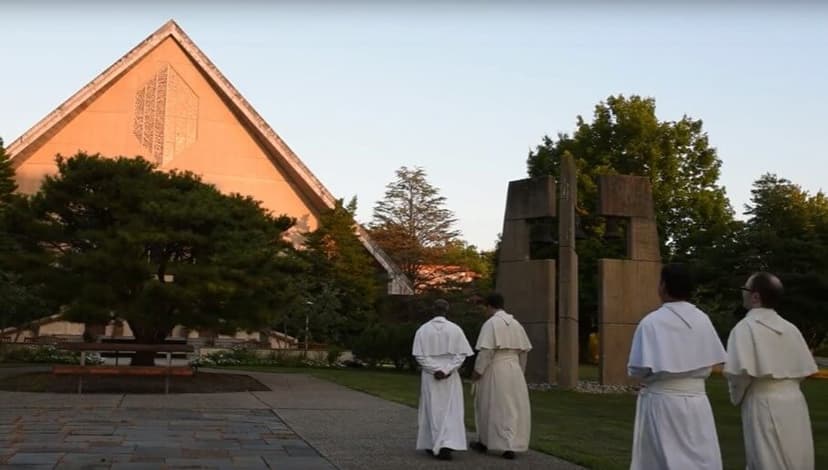
Daylesford Abbey is a Catholic monastery of the Norbertine order, located in Chester County, Pennsylvania. Founded in the 1950s to expand the Norbertine presence on the East Coast, it was established on the Cassatt Estate and later moved to its present 88-acre site in Paoli. The abbey is known for its solemn liturgies, adherence to the Rule of St. Augustine, and its ministries in education and social services, including a prominent role in supporting the homeless.

Holy Cross Monastery
Holy Cross Monastery, the mother house of the Order of the Holy Cross, is an Anglican religious community located in West Park, New York. Designed by Ralph Adams Cram and Henry Vaughan, its architecture blends Mission/Spanish Revival and Tudorbethan styles. Established by Rev. James Otis Sargent Huntington, it serves as the order's house of formation and is recognized for its retreat facilities and commitment to social causes.