
Mainz Charterhouse
Mainz Charterhouse was a former Carthusian monastery located in Mainz, Germany, dedicated to Saint Michael. Founded in 1320, it was the first Carthusian foundation in Germany and played a significant role in the history of the Carthusian Order. Despite being destroyed and rebuilt multiple times, it was ultimately dissolved in 1781 and its buildings demolished between 1790 and 1792, though its memory persists in the street name "Karthaus".
Key Facts
- ›The first Carthusian foundation in Germany, established in 1320.
- ›Dedicated to Saint Michael and located on the Michelsberg in Mainz.
- ›Suffered destruction in 1552 during the Second Margrave War.
- ›Rebuilt after 1552 and largely survived the Thirty Years' War.
- ›Dissolved in 1781 by Prince-Bishop and Elector Friedrich Karl Joseph von Erthal.
- ›Demolished between 1790 and 1792, with the site now occupied by the street "Karthaus".
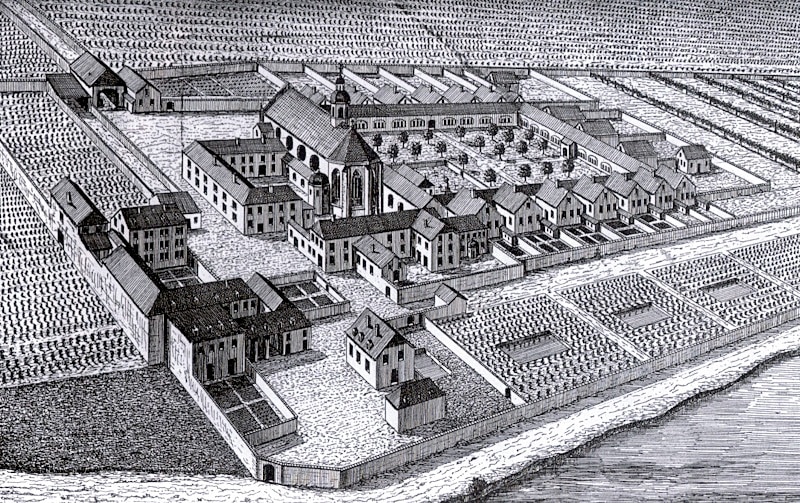
Baroque
- Saint Michael's Church
- Monks' Cells With Individual Lobbies, Living Rooms, Kitchens, Storerooms, Work Rooms, Cellars, and Gardens
- Magnificently Painted Church Interior
- Artistically Significant Choir Stalls
- Kartaus Fountain With the Figure of Saint Bruno of Cologne
- Peter Von Aspelt
- Albert Von Beichlingen
- Charles Iv
- Dominic of Prussia
- Albert Alcibiades, Margrave of Brandenburg-Kulmbach
- Duke Charles V of Lorraine
- Max Emanuel of Bavaria
- Johann George Iii of Saxony
- Michael Welcken
- Johann Justus Schacht
- Friedrich Karl Joseph Von Erthal
- Pope Pius Vi
- Saint Bruno of Cologne
- Given To Carthusians By Archbishop Peter Von Aspelt In 1320
- Conventual Premises Ready For Use By 1324
- Church Consecrated In 1350
- Took Emperor Charles Iv's Protection In 1361
- Destroyed By Albert Alcibiades In 1552
- Rebuilt Starting In 1613
- Survived Thirty Years' War and War of the Palatinate Succession
- Headquarters For Commanders During the 1689 Siege of Mainz
- Dissolved By Pope Pius Vi In 1781
- Demolished Between 1790 and 1792
About Mainz Charterhouse
Mainz Charterhouse was a significant former Carthusian monastery situated on the Michelsberg in Mainz, Germany. Founded in 1320, it holds the distinction of being the first Carthusian foundation in Germany. The monastery was dedicated to Saint Michael and received its site from Archbishop Peter von Aspelt.
History and Significance
The charterhouse's construction began shortly after its founding, with the church consecrated in 1350. It garnered imperial protection from Emperor Charles IV in 1361. The monastery faced destruction in 1552 during the Second Margrave War but was rebuilt, managing to survive largely intact through the Thirty Years' War and other conflicts. During the 1689 siege of Mainz, it even served as a headquarters for prominent military and electoral figures.
A period of renewed prosperity occurred in the early 18th century under Prior Michael Welcken, who oversaw the renewal of all buildings, including the magnificent painting of the church in 1715 and the furnishing of the choir with valuable altars and choir stalls between 1723 and 1726. Each monk's cell was designed as a self-contained living space with multiple rooms and a garden.
Dissolution and Demolition
In 1781, Prince-Bishop and Elector Friedrich Karl Joseph von Erthal initiated the dissolution of the charterhouse by Pope Pius VI. Its assets were transferred to the Johannes Gutenberg-Universität Mainz. The monastic complex itself was eventually purchased by the Elector and subsequently demolished between 1790 and 1792, with the church, cloister, and residential buildings being razed. The site was then incorporated into the gardens of the adjacent Schloss Favorite. Today, the memory of Mainz Charterhouse is preserved by the street name "Karthaus" and a fountain erected in 1912 featuring Saint Bruno of Cologne, the founder of the Carthusian Order.
Source: Wikipedia ↗
Frequently Asked Questions
When was Mainz Charterhouse founded?
Mainz Charterhouse was founded in 1320. The site was given to the Carthusians by Archbishop Peter von Aspelt in 1320, and the conventual premises were ready for use by 1324.
What religious order was Mainz Charterhouse part of?
Mainz Charterhouse was a Carthusian monastery. It is considered the first Carthusian foundation in Germany.
What happened to Mainz Charterhouse?
Mainz Charterhouse was dissolved in 1781. Its assets were transferred to the Johannes Gutenberg-Universität Mainz, and the monastic complex was later demolished between 1790 and 1792.
Is Mainz Charterhouse still standing today?
No, Mainz Charterhouse is no longer standing. The church, cloister, and residential buildings were demolished between 1790 and 1792. The site is now marked by the street name "Karthaus".
What is notable about the history of Mainz Charterhouse?
Notable events include its destruction in 1552 and subsequent rebuilding, its survival through major wars, and its eventual dissolution and demolition. It was also associated with Dominic of Prussia, the author of the rosary prayer.
Related Monasteries
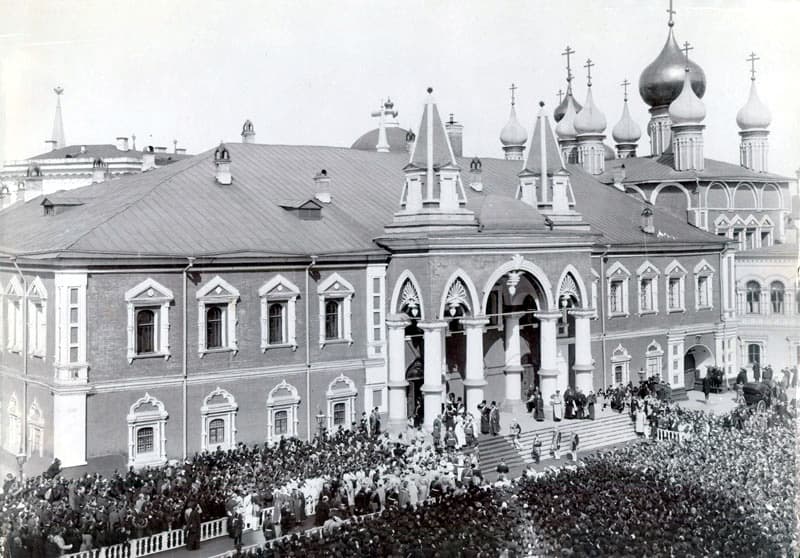
Chudov Monastery
The Chudov Monastery, formally known as Alexius’ Archangel Michael Monastery, was a significant monastic complex within the Moscow Kremlin, founded in 1358 by Metropolitan Alexius. It served as a major center for Muscovite book culture and learning, traditionally used for baptizing royal children. The monastery was eventually closed in 1918 and completely dismantled by the Soviet government in 1929.
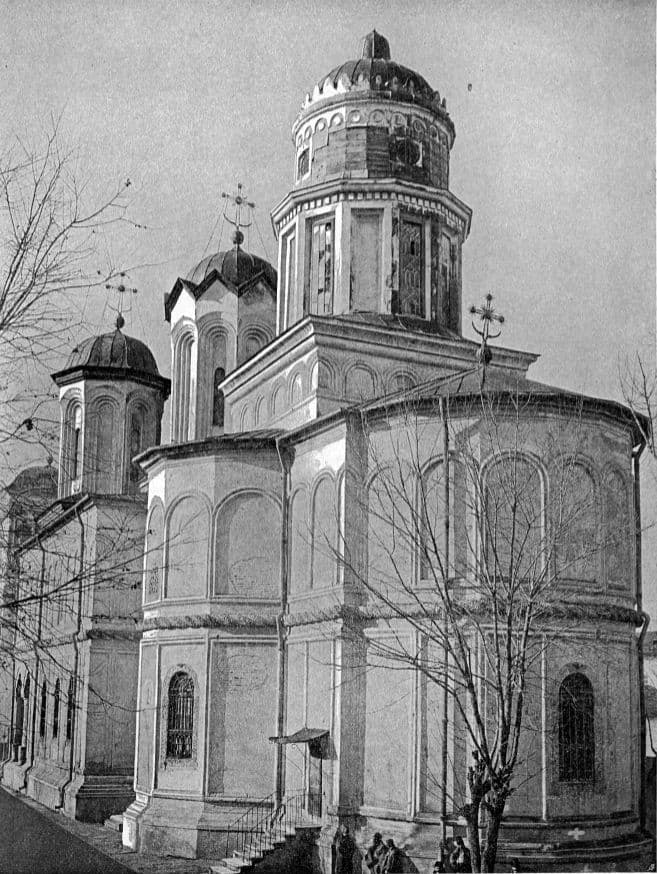
Văcărești Monastery
Văcărești Monastery was a significant religious and architectural complex in Bucharest, Romania, founded by ruler Nicholas Mavrocordatos between 1716 and 1736. It served as a royal residence, a center for culture with a notable library and printing press, and later as a prison before its complete demolition in 1986-1987 under Nicolae Ceaușescu's regime. The monastery was built in the Brâncovenesc style with influences of Mountainside Baroque and was dedicated to the Holy Trinity.

Ahrensbök Charterhouse
Ahrensbök Charterhouse was a Carthusian monastery established in 1397 in Ahrensbök, Holstein, Germany. Although secularized during the Reformation in 1584 and its buildings largely demolished, the monastery church, St. Mary's Church (Marienkirche), still stands as a significant surviving structure. The materials from the demolished charterhouse were later used to construct a castle, Schloss Hoppenbrook, which itself was eventually demolished.