
Krzeszów Abbey
Benedictine, Cistercian·Poland·National Historic Monument·13th century
Krzeszów Abbey is a historic Baroque Cistercian monastery located in Lower Silesia, Poland. Founded in 1242 as a Benedictine house, it was later managed by Cistercians from 1289 until its secularization by the Prussian state in 1810. The abbey complex, particularly its Basilica of the Assumption, features a mausoleum for dukes of the Piast dynasty and has undergone significant rebuilding, notably in a Baroque style. Following World War II, the site was resettled by Polish Benedictine nuns.
Key Facts
- ›Founded in 1242 by Duchess Anna of Bohemia as a Benedictine monastery.
- ›Managed by Cistercians from 1289 to 1810.
- ›The Basilica of the Assumption houses a mausoleum of the Piast dynasty dukes.
- ›Rebuilt in Baroque style from 1728, featuring works by Ferdinand Brokoff, Petr Brandl, and Michael Willmann.
- ›Secularized by the Prussian state in 1810.
- ›Designated as a Polish national Historic Monument in 2004.
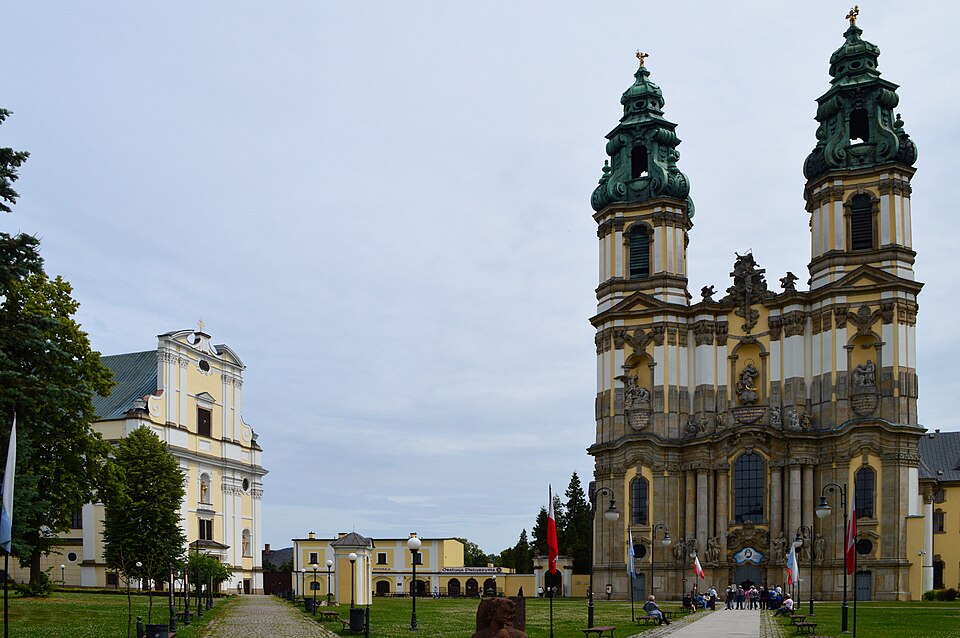
Baroque
- Basilica of the Assumption
- Mausoleum of Dukes of the śWidnica Line of the Piast Dynasty
- Collection of Early Species Illustrations By European Naturalists
- Manuscripts of Composers Like Mozart, Beethoven, and Bach
Klasztor W Krzeszowie, Kloster GrüSsau
Duchess Anna of Bohemia, Duke Bolko I of śWidnica, Angelus Silesius, Ferdinand Brokoff, Petr Brandl, Michael Willmann, Pope Pius Xi, Georg Marcgrave, Ferdinand Bauer, Abbot Albert Schmitt, Abbot Laurentius Hoheisel
- First Mongol Invasion of Poland
- Hussite Wars
- Thirty Years' War
- Conquered By Frederick Ii of Prussia
- Secularized By Prussian State
- Emmaus Abbey Monks Resettled
- Suspended By Nazi Government
- Berlin State Library Collection Outhoused
- Became Part of Poland
- Expulsion of German Monks
- Resettled By Polish Benedictine Nuns From Lviv
About Krzeszów Abbey
Krzeszów Abbey, historically known as Kloster Grüssau in German, is a significant former monastery complex situated in Krzeszów, Lower Silesia, Poland. Its history spans centuries, beginning as a Benedictine foundation in 1242 by Duchess Anna of Bohemia. The abbey later transitioned to Cistercian administration in 1289, a period that lasted until its secularization by the Prussian state in 1810. The site is renowned for its Baroque architecture, particularly evident in the Basilica of the Assumption, which was extensively rebuilt from 1728 and features notable sculptures and paintings.
History and Significance
The abbey's history is marked by destruction and rebuilding, notably during the Hussite Wars and the Thirty Years' War. It holds particular connection to the Silesian mystic Angelus Silesius. The Basilica of the Assumption serves as the burial place for dukes of the Świdnica line of the Polish Piast dynasty, underscoring its historical importance. After World War I, German Benedictine monks from Prague resettled at the empty monastery buildings, and the abbey was re-established in 1924. However, the Nazi regime suspended its operations in 1940, seizing the buildings for use as a detention camp and for storing valuable collections, including parts of the Berlin State Library.
Following World War II, Krzeszów Abbey became part of Poland. The ethnic German monks were expelled, and in 1947, Polish Benedictine nuns expelled from Lviv resettled the abbey. The site is now recognized as one of Poland's official national Historic Monuments, a testament to its rich architectural, religious, and historical legacy. Its Basilica contains significant artworks and a mausoleum, and the abbey was once a repository for invaluable manuscripts, including musical scores by renowned composers.
Source: Wikipedia ↗
Frequently Asked Questions
When was Krzeszów Abbey founded?
Krzeszów Abbey was founded on May 8, 1242, by Duchess Anna of Bohemia. It was initially settled with Benedictine monks.
What religious order originally ran Krzeszów Abbey?
The monastery was originally founded as a Benedictine house. However, in 1289, it was given to the Cistercians, who managed it until its secularization in 1810.
What is the architectural style of the abbey church?
The abbey church was rebuilt in a Baroque style starting in 1728. This reconstruction included sculptures by Ferdinand Brokoff and paintings by Petr Brandl and Michael Willmann.
What significant historical event led to the abbey being secularized?
Krzeszów Abbey was secularized in 1810 by the Prussian state during the Napoleonic Wars. This was part of a broader trend of secularization of religious institutions across Europe at that time.
What happened to the abbey after World War II?
Following World War II, the territory became part of Poland. The ethnic German monks were expelled, and in 1947, the abbey was resettled by Polish Benedictine nuns who had been expelled from Lviv.
Is Krzeszów Abbey still an active monastery?
The site of Krzeszów Abbey is now one of Poland's official national Historic Monuments. While it was resettled by Polish Benedictine nuns, the text indicates a separate Benedictine community, Grüssau Abbey, moved to Germany and has a caretaker community managing facilities as a guest house and retreat venue.
Related Monasteries

Mogiła Abbey
Mogiła Abbey is a significant Cistercian monastery located in Kraków, Poland, founded in 1222 by Bishop Iwo Odrowąż. It was once the largest and most impressive church in medieval Poland after Wawel Cathedral and served as the burial place for the Odrowąż family. The complex features a Gothic abbey church, a Renaissance abbot's palace, and a red-brick monastery, having endured significant historical events including Mongol invasions and Swedish ravages.

Rügenwalde
Rügenwalde, also known as Darłowo, is a historic seaside town in northwestern Poland with a rich past as a trading center and ducal seat. Its strategic location at the mouth of the River Wieprza led to its development as a Hanseatic League member and a royal residence. The town's medieval layout, Ducal Castle, and Gothic churches contribute to its significance as a historical and tourist destination.
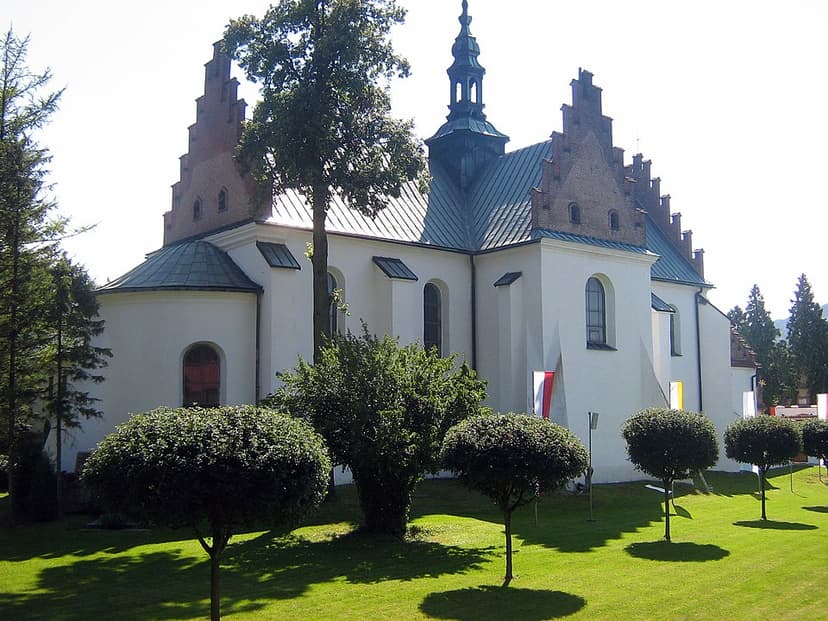
Szczyrzyc Abbey
Szczyrzyc Abbey is a functioning Cistercian monastery located in Szczyrzyc, Poland, established in 1234. It holds significance as one of the Polish Shrines to the Virgin Mary and also houses the Museum of the Cistercian Abbey, showcasing its religious and historical heritage.