
Indio Monastery
England·Historic estate with mansion house·13th century
Indio, historically known by various names including Indehoe and Indiho, is an estate in Devon, England, with a complex history. While once believed by some to be a priory, modern research suggests it was more likely a grange farm associated with St. John's Hospital in Bridgwater. The site later became a significant secular residence and the location of the Indio Pottery, which played a role in the industrial pottery production of Bovey Tracey.
Key Facts
- ›Originally considered a priory by Devon historian Pole, but likely a grange farm of St. John's Hospital, Bridgwater from 1216.
- ›The present Indio House is a Grade II listed mansion rebuilt in 1850 by Charles Aldenburg Bentinck.
- ›A significant pottery, the Indio Pottery, operated here from approximately 1766 to 1836, contributing to Bovey Tracey's industrial reputation.
- ›The estate was a seat for a branch of the Bentinck family, who rebuilt the mansion in the MID-19th century.
- ›The property has seen ownership by notable families including the Southcotts, Bentincks, and later Alfred Edward Whybrow.

Tudor
Indio House, Indio Pottery Site, Indio Pond
Indehoe, Indiho
Pole, John Southcott, Thomas Southcote, George Southcot, Sir Popham Southcote, George Forster Tufnell, William Ellis, Nicholas Crisp, Josiah Wedgwood, Hans Willem Bentinck, 1st Earl of Portland, Captain John Albert Bentinck, William Bentinck, George William Pierrepont Bentinck, Charles Aldenburg Bentinck, Alfred Edward Whybrow, Nicholas Chulapat Nakorn
- Grant of Lands Including Indio To St John's Hospital, Bridgwater
- Dissolution of the Monasteries
- Grant of Indio To John Southcott and John Tregonwell
- Establishment of Indio Pottery
- Rebuilding of Indio House
- Sale of the Estate By the Bentinck Family
- Purchase By Alfred Edward Whybrow
- Sale of Indio By the Whybrow Family
About Indio Monastery
Indio
Indio, historically known by variations such as Indehoe and Indiho, is an estate located in the parish of Bovey Tracey, Devon, England. Its origins are debated, with some historical accounts, notably from Devon historian Pole, suggesting it was originally a priory. However, more recent research, particularly from the 1840s onwards, posits that Indio was more likely a grange farm, a possession of St. John's Hospital in Bridgwater, Somerset, from around 1216.
Historical Significance and Ownership
In 1219, Henry de Tracy, lord of the manor of Bovey Tracey, endowed St. John's Hospital with church lands including Indio, an endowment confirmed in 1227 and lasting until the Dissolution of the Monasteries circa 1540. Following the Dissolution, Indio was granted to John Southcott in 1544. He is recorded as having "Bwilded a fayre howse & dwelled theire," marking its transition into a secular residence. Subsequent generations of the Southcott family resided at Indio.
Industrial Heritage
Around 1766, a significant industrial development occurred at Indio with the establishment of the Indio Pottery. This enterprise played a crucial role in developing Bovey Tracey as a center for industrial pottery production. Despite facing financial difficulties and eventually becoming insolvent by 1785, the pottery's operation was noted by Josiah Wedgwood during his visit in 1775, who offered a critical assessment of its management. The pottery operated until around 1836.
Later History and Architecture
Indio later became a seat for a branch of the Bentinck family. In 1850, Charles Aldenburg Bentinck rebuilt the present Indio House, a Grade II listed building, to the design of architect David Mackintosh. The house is described as "Austere Tudor relieved by romantic crenellated chimney-stacks." The estate was sold by the Bentinck family in 1939. In 1964, it was purchased by retired businessman Alfred Edward Whybrow, who undertook renovations. The family sold Indio in 1997.
Source: Wikipedia ↗
Frequently Asked Questions
Was Indio originally a monastery?
Historical accounts are divided on this. Devon historian Pole suggested it was a priory. However, research from the 1840s onwards indicates it was more likely a grange farm belonging to St. John's Hospital in Bridgwater, Somerset, from 1216.
When was Indio House built?
The present larger mansion house, known as Indio House, was rebuilt in 1850. It was designed by Exeter architect David Mackintosh for Charles Aldenburg Bentinck.
What was the significance of the Indio Pottery?
The Indio Pottery, established around 1766, was instrumental in establishing Bovey Tracey's reputation as a center for industrial pottery production. Despite initial struggles and insolvency, it marked a significant period of industrial activity at the site.
Who were some notable families associated with Indio?
The estate was granted to John Southcott following the Dissolution of the Monasteries. Later, it became a seat for a branch of the Bentinck family, who rebuilt the house in 1850. It was also owned by Alfred Edward Whybrow in the 20th century.
What is the current status of Indio?
The text describes Indio as an historic estate with a mansion house. The house retains about 25 acres of its original estate, and Indio Pond is separately owned. The current operational status of the house as a residence or its public accessibility is not detailed.
Related Monasteries
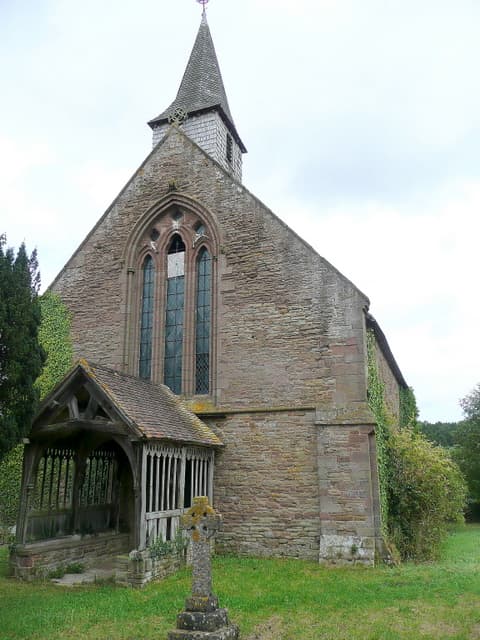
Aconbury Priory
Aconbury Priory was an Augustinian priory located in Herefordshire, England, founded in the early 13th century. The priory's church, still standing today, was initially constructed in 1230. While the conventual buildings have largely vanished, remnants of the east and north walls survived the dissolution.
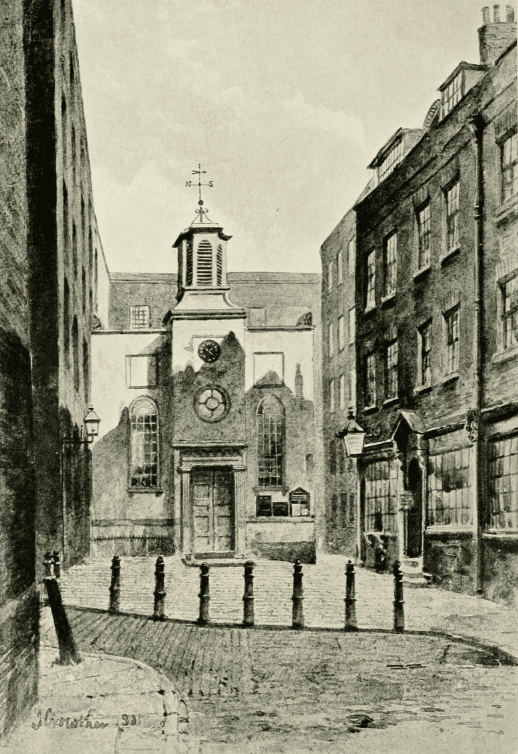
Aldgate Abbey
Holy Trinity, Minories, was a Church of England parish church that originated from the chapel of a medieval nunnery founded in 1293. After the Dissolution of the Monasteries, the chapel was converted into a parish church, serving the area until its closure in 1899. The church building itself was destroyed by bombing during World War II, though parts of its medieval structure survived for a time.
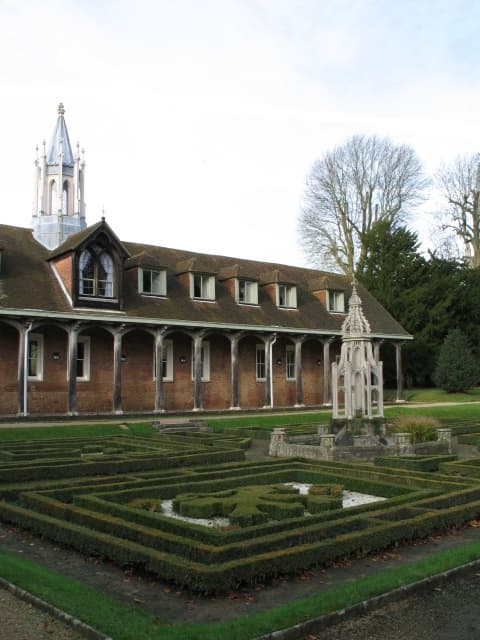
Ashridge Priory
Ashridge Priory was a medieval college of Austin canons, established in 1283 by Edmund of Almain. It was known as the "Brothers of Penitence" or the "Boni Homines" and gained wealth through donations, particularly a phial of Christ's blood. After its dissolution, it served as a royal residence and later became a private estate before being demolished.