
Hundslund Priory
Christian·Denmark·Former priory, now Dronninglund Castle·12th century
Hundslund Priory was a significant Benedictine religious house in medieval Denmark, established around 1100. It later transitioned into a royal residence known as Dronninglund Castle. The priory was notable for its substantial landholdings and its involvement in legal disputes, eventually being secularized and passing into private ownership.
Key Facts
- ›Established around 1100 by King Erik II Emune.
- ›Originally a Benedictine priory for nuns, dedicated to St. Mary and St. Clement.
- ›The original Romanesque church was replaced by a late Gothic structure.
- ›Became one of the largest landowners in northern Jutland.
- ›Transformed into Dronninglund Castle after secularization.
- ›The priory's archives were lost.
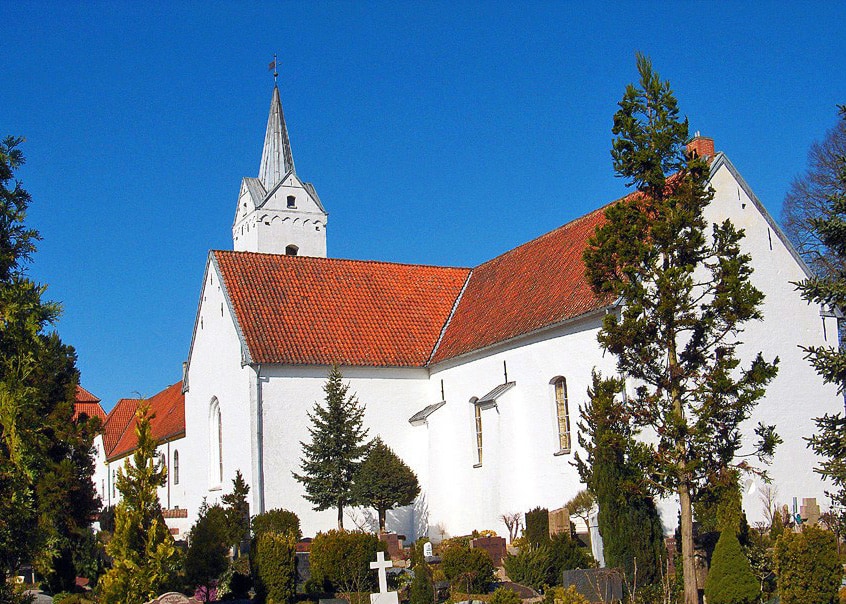
Romanesque, Gothic
Late Gothic Church Structure, Dormitory, Refectory, and Cellars For Nuns, Residences For Lay Sisters and Noblewomen
King Erik Ii Emune, Margaret I, Anders Banner, King Christoffer I, Anders Gyldenstierne, Stygge Krumpen, Christian Iii, Corfitz Uhlfeldt, Frederik Ii, Johannes Linenov
- Founded By King Erik Ii Emune
- Received Gifts From Margaret I
- Land Boundary Lawsuit With Anders Banner
- Mediated By King Christoffer I
- Secularized and Anders Gyldenstierne Appointed Superintendent
- Nuns Expelled During Skipper Clement's Rebellion
- Restored To Anders Gyldenstierne
- Became Home For Former Nuns and Unmarried Women Until 1572
- Archive Transferred To Aalborg Castle and Lost
- Passed Into Private Ownership When Sold To Johannes Linenov
About Hundslund Priory
Hundslund Priory was a significant Benedictine religious institution in medieval Denmark, ultimately transforming into the royal residence known as Dronninglund Castle. Located north of Aalborg in present-day Dronninglund, its history spans several centuries of religious life, land ownership, and eventual secularization.
History and Significance
Established around 1100 on land granted by King Erik II Emune, Hundslund Priory was initially founded for Benedictine nuns and dedicated to both St. Mary and St. Clement. The original church featured Romanesque architecture, characterized by rounded arches and a flat timber ceiling. This structure was later replaced in 1350 with a building that evolved through renovations into its current late Gothic form.
The priory was designed with three ranges attached to the church, creating an enclosed space for the nuns. These ranges served distinct purposes: one as a dormitory, another for the refectory and cellars, and a third for lay sisters and unmarried noblewomen. During the early 14th century, Hundslund received significant favor and endowments from Margaret I, leading to additional gifts from noble families. This influx of property, including farms and mills, made the abbey one of the largest landowners in northern Jutland, ensuring its sustenance and influence.
The priory was not immune to conflict. In 1455, it engaged in a protracted lawsuit with State Councillor Anders Banner over disputed land boundaries. The dispute involved accusations of boundary manipulation and required mediation by King Christoffer I in 1468. The priory faced further upheaval during the Reformation. In 1531, Anders Gyldenstierne was appointed superintendent of the secularized priory. During Skipper Clement's rebellion in 1534–1535, the nuns were expelled by the last Catholic Bishop of Børglum, Stygge Krumpen, who occupied the priory. King Christian III ordered Krumpen out and restored the priory to Gyldenstierne, who managed it until 1555. The abbey continued to serve as a home for former nuns and unmarried women until 1572. Tragically, the priory's entire archive was lost when it was transferred to Aalborg Castle.
In 1561, the mortgage on the abbey was settled by Corfitz Uhlfeldt. Ultimately, Hundslund Priory passed into private ownership in 1581 when Frederik II sold it and its properties to the nobleman Johannes Linenov, marking the end of its monastic era and the beginning of its transformation into Dronninglund Castle.
Source: Wikipedia ↗
Frequently Asked Questions
When was Hundslund Priory founded?
Hundslund Priory was established around the year 1100. The founding was initiated by King Erik II Emune, who granted a royal farm for its establishment.
What religious order was Hundslund Priory part of?
Hundslund Priory was a Benedictine religious house. It was specifically established for Benedictine nuns.
What happened to Hundslund Priory after its monastic use ended?
After its secularization, Hundslund Priory was transformed into the royal residence Dronninglund Castle. It later passed into private ownership in 1581.
What was the architectural style of the priory's church?
The original church was built in the Romanesque style. It was later replaced in 1350 and renovated into its present late Gothic form.
What notable events occurred during the priory's history?
The priory was involved in a lengthy lawsuit over land boundaries in the 15th century. During the Skipper Clement rebellion in 1534-1535, the nuns were expelled by the Bishop of Børglum.
Related Monasteries

Asserbo Charterhouse
Asserbo Charterhouse was a short-lived Carthusian monastery founded in the late 12th century by Bishop Absalon in North Zealand, Denmark. Despite its initial monastic purpose, it soon transitioned to being used as a farmhouse and later leased to noble families. The site was famously swallowed by drifting sands from the 15th century until the 18th century, with the ruins eventually excavated in the 19th century.

Børglum Abbey
Børglum Abbey was a significant Premonstratensian monastery in medieval Denmark, flourishing from the 12th century until the Reformation. Originally a royal farm, it became the seat of the bishopric of Vendsyssel before the Premonstratensians established a daughter house that grew to become the mother house for their order in Scandinavia. The abbey's church served as the cathedral, making it a powerful religious and political entity, known for its seminary and annual market.
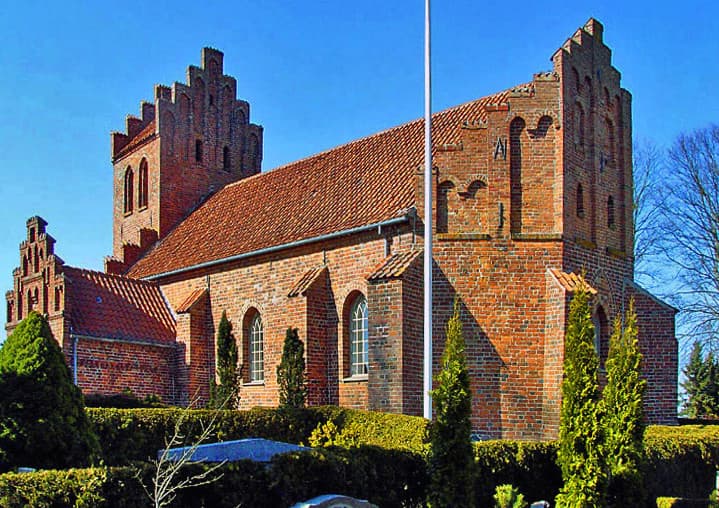
Eskilsø Abbey
Æbelholt Abbey was an Augustinian monastery founded on Eskilsø Island in 1104 before relocating to Æbelholt in 1167. It became a significant religious center, particularly after the canonization of its first abbot, William of Æbelholt, as St. Vilhelm in 1224. Following the Reformation, the abbey was dissolved in 1560, its buildings were largely demolished for reuse, and the site now hosts an abbey museum and a reconstructed medieval garden.