
Herstelle Abbey
Herstelle Abbey, also known as the Abbey of the Holy Cross, is a Benedictine monastery for nuns located in Herstelle, North Rhine-Westphalia, Germany. Founded in 1899 on the grounds of a former Minorite convent, it was elevated to abbey status in 1924 and joined the Beuronese Congregation. The community is known for its traditional monastic duties, including hospitality, and its engagement in handicraft work.
Key Facts
- ›Founded in 1899
- ›Elevated to abbey status in 1924
- ›Part of the Beuronese Congregation within the Benedictine Confederation
- ›Founded the priory of Engelthal in 1962
- ›Nuns engage in handicrafts alongside traditional duties

Former Convent of the Minorites
Abbey of the Holy Cross, Herstelle
- Became A Member of the Beuronese Congregation In 1924
- Founded the Priory of Engelthal In 1962
About Herstelle Abbey
Herstelle Abbey, also known as the Abbey of the Holy Cross, Herstelle, is a Benedictine monastery for nuns situated in Herstelle, within the state of North Rhine-Westphalia, Germany. The abbey's origins trace back to 1899 when it was founded on the site of a former convent occupied by the Minorites.
Development and Affiliations
The monastic community at Herstelle Abbey achieved abbey status in 1924. Subsequently, it became an integral part of the Beuronese Congregation, which itself is affiliated with the broader Benedictine Confederation. This affiliation signifies its adherence to the Benedictine rule and its integration into a wider network of Benedictine monasteries.
Community Life and Activities
The nuns of Herstelle Abbey maintain the traditional duties expected of a monastic community, including the practice of hospitality towards visitors. In addition to these spiritual and communal responsibilities, the nuns are also engaged in the practice of handicrafts, contributing to the economic and artistic life of the abbey. In 1962, the community expanded its reach by founding the priory of Engelthal.
Modern Status
Herstelle Abbey continues to function as an active Benedictine community. Its historical development from a former convent to a recognized abbey within a significant monastic congregation highlights its enduring presence and spiritual significance.
Source: Wikipedia ↗
Frequently Asked Questions
When was Herstelle Abbey founded?
Herstelle Abbey was founded in 1899. It was established on the site of a former convent belonging to the Minorites.
What religious order does Herstelle Abbey belong to?
Herstelle Abbey is a house of Benedictine nuns. It became a member of the Beuronese Congregation within the Benedictine Confederation.
What are the activities of the nuns at Herstelle Abbey?
The nuns at Herstelle Abbey undertake their normal duties of hospitality. Additionally, they are involved in handicraft work.
Does Herstelle Abbey have any associated institutions?
Yes, the nuns of Herstelle Abbey founded the priory of Engelthal in 1962. This indicates an expansion of their monastic community.
Related Monasteries

Königsmünster Abbey
Königsmünster Abbey is a Benedictine monastery located in Meschede, Germany, founded in 1928 by monks from three Bavarian abbeys. The abbey's name, meaning "monastery of the King" (Christ), reflects its spiritual dedication. It played a role in continuing the traditions of the dissolved Grafschaft Abbey and experienced confiscation and expulsion of monks by the National Socialists in 1941, before its church was consecrated in 1964 and it became an independent priory.
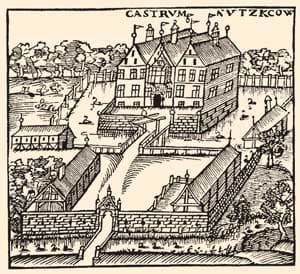
Nütschau Priory
Nütschau Priory, also known as St Ansgar's Priory, is a Benedictine monastery located in Travenbrück, Germany. Founded after World War II as a refuge for displaced persons, it evolved from a retreat house to an independent priory in 1975. It is noted as the northernmost Benedictine monastery in Germany and serves as a training and youth house, also offering shelter to pilgrims.

Varensell Abbey
Varensell Abbey is a Benedictine monastery of nuns located near Rietberg, Germany, founded in 1902. It was established by the Benedictine Sisters of Perpetual Adoration and later adopted a way of life aligned with the Beuronese Congregation, which it joined in 1982. The community was granted abbey status in 1948 and engages in theological work and handicrafts alongside traditional monastic duties.