
Heiligengrabe
Heiligengrabe is a municipality in Brandenburg, Germany, known for its historical abbey, which was founded as a Cistercian nunnery in 1289. The abbey gained prominence due to a relic of a Bleeding Host, attracting pilgrims and considerable wealth through donations. Following the Reformation, it transitioned into a Lutheran women's convent, maintaining its role of providing for unmarried noble women.
Key Facts
- ›Founded as a Cistercian nunnery in 1289.
- ›Acquired wealth through pilgrim revenue and noble donations.
- ›Housed a significant relic: a Bleeding Host.
- ›Transitioned to a Lutheran women's convent after the Reformation.
- ›Canonesses were required to prove noble lineage (sixteen quarterings).
- ›Notable abbess Henriette von Winterfeldt famously declared war on Mecklenburg over a debt.
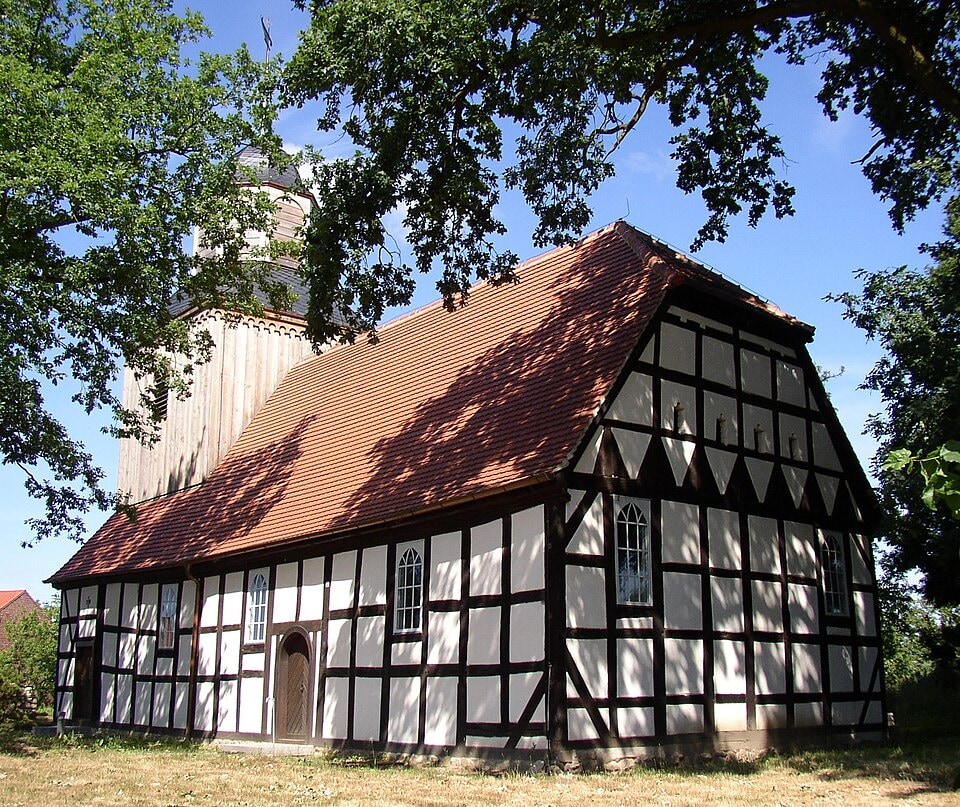
Blumenthal Observation Tower
Holy Sepulchre, Techow
Heinrich, Bishop of Havelberg, Otto of Brandenburg, Abbess Henriette Von Winterfeldt, Abbess Anna Von Quitzow
- Foundation As A Cistercian Nunnery
- Acquisition of the Bleeding Host Relic
- Secularization and Transition To A Lutheran Women's Convent After the Reformation
- Abbess Henriette Von Winterfeldt's Conflict With Mecklenburg
About Heiligengrabe
Heiligengrabe is a municipality located in the Ostprignitz-Ruppin district of Brandenburg, Germany. It is historically notable for its abbey, which played a significant role in the region's religious and social landscape.
Abbey History and Significance
The Heiligengrabe Abbey, originally known as Techow, was established in 1289 as a Cistercian nunnery. Its founding was initiated by Heinrich, Bishop of Havelberg, and Margrave Otto of Brandenburg, intended to house twelve nuns. The abbey's prominence grew substantially due to the presence of a relic known as the Bleeding Host, which was believed to have been desecrated. This relic attracted pilgrims, generating revenue that, along with generous donations from local noble families, contributed to the abbey's considerable wealth and estates.
Many nuns entering the convent hailed from prominent local houses such as the Gans zu Putlitz, von Quitzow, von Rohr, von Winterfeld, and von Blumenthal families. The abbey was also home to some remarkable abbesses. One such figure was Abbess Henriette von Winterfeldt, who, in a notable act of defiance, borrowed a large artillery piece to confront the Duke of Mecklenburg over an unpaid debt to the abbey.
Post-Reformation Transformation
During the Lutheran Reformation, the abbey's trajectory shifted. Abbess Anna von Quitzow resisted the new denomination and refused to pay taxes. Following the Reformation, the abbey underwent secularization, but its core function of providing for unmarried women, primarily from noble backgrounds, continued. The formerly Roman Catholic nunnery was transformed into a Lutheran women's convent, referred to in German as 'das Stift' or more specifically 'Damenstift' (Ladies' foundation). The women who entered this new institution were known as secular canonesses (Stiftsdamen) and were required to prove their noble lineage by presenting sixteen quarterings in their coat of arms before being admitted.
Other Features
Beyond its historical abbey, the municipality of Heiligengrabe includes thirteen villages and features the Blumenthal Observation Tower.
Source: Wikipedia ↗
Frequently Asked Questions
When was Heiligengrabe Abbey founded?
Heiligengrabe Abbey was founded in 1289. It was established as a Cistercian nunnery by Heinrich, Bishop of Havelberg, and Margrave Otto of Brandenburg.
What made Heiligengrabe Abbey significant historically?
The abbey held an important relic, a Bleeding Host, which drew pilgrims to the site. It also accumulated significant wealth through these pilgrims and donations from local noble families.
What happened to the abbey after the Reformation?
Following the Reformation, the formerly Roman Catholic nunnery was secularized and transformed into a Lutheran women's convent. Its function continued to be providing for unmarried women, primarily from noble families.
What were the requirements for women to join the convent after secularization?
After becoming a Lutheran women's convent, the canonesses (Stiftsdamen) were required to demonstrate noble lineage. Specifically, they had to show sixteen quarterings in their arms before being permitted to enter.
Are there any notable figures associated with Heiligengrabe Abbey?
Yes, Abbess Henriette von Winterfeldt is a notable figure. She famously borrowed an artillery piece to wage war on Mecklenburg to recover a debt owed to the abbey.
Related Monasteries

Dobbertin Abbey
Dobbertin Abbey, founded around 1220, began as a Benedictine monastery before transitioning to a nunnery and later a Lutheran collegiate foundation for noblewomen. Situated on a spit of land in the Dobbertiner See, it is notable for its unique two-towered church. After secularization and periods as a youth hostel and military post, it now serves as a care home for the physically handicapped, offering workshops, tours, and community services, with ongoing restoration efforts.

Preetz Priory
Preetz Priory, originally founded as a Benedictine nunnery in 1211, is located in the town of Preetz, Schleswig-Holstein, Germany. Its founding is attributed to Graf Albrecht of Orlamünde, inspired by a mystical vision of a cross between the antlers of a deer. After being suppressed during the Protestant Reformation, it was re-established as an aristocratic Lutheran women's convent and continues to operate in this capacity today as a collegiate residence for ladies.

Itzehoe Abbey
Itzehoe Abbey was originally founded as a Cistercian monastery in the 1230s, later relocating to Itzehoe in 1263. Following the Reformation, it was transformed in 1541 into a noble Protestant ladies' convent, a status it maintains today. The convent continues to own significant land and forest properties, and its historical courtyard once formed an independent rural municipality within the city.