
Hardwick Preceptory
Hardwick Preceptory was a priory belonging to the Knights Hospitaller, operating from 1279 to 1489 in the hamlet of Kempston Hardwick, Bedfordshire, England. Historically it was a significant estate, comprising a manor house, mill, extensive lands, and pasture. Following its dissolution, the property was granted to various individuals before eventually being incorporated into different civil parishes.
Key Facts
- ›Operated as a priory of the Knights Hospitaller from 1279 to 1489.
- ›The estate included a messuage, dovehouse, water-MILL, and significant acreage of land, meadow, and pasture.
- ›In 1338, the estate's annual worth was considerable, with the MILL alone valued at 26s. 8d.
- ›After the Dissolution of the Monasteries, the property was bestowed upon Sir Richard Longe in 1540.
- ›Elizabeth I granted the manor and mansion of Kempston Hardwick to Elizabeth Snowe in 1560.
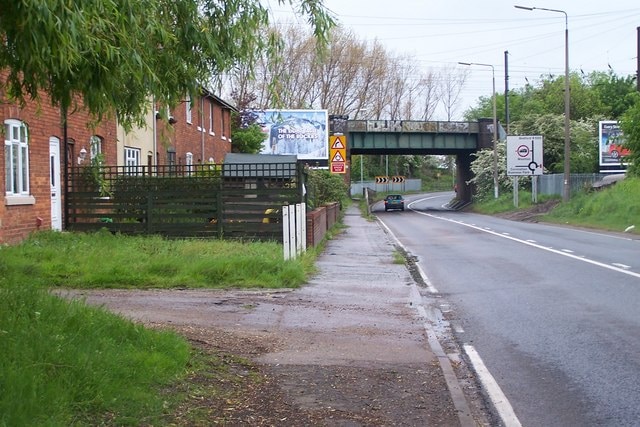
Manor House, Water-Mill, Extensive Agricultural Lands
Hardwick Manor
Sir Richard Longe, Elizabeth Snowe
Dissolution of the Monasteries
About Hardwick Preceptory
Hardwick Preceptory was a religious institution belonging to the Knights Hospitaller, with its documented history as a priory spanning from 1279 to 1489. Located in the hamlet of Kempston Hardwick, Bedfordshire, England, it served as a significant estate for the order.
History and Estate
The earliest mention of the property that would become Hardwick Preceptory dates to 1279. Historical records from 1287 and 1330 indicate that the Prior held a view of frankpledge from four tenants in Kempston, suggesting a degree of local jurisdiction. By 1338, the estate was a substantial holding. It comprised a manor house (messuage) with an attached garden, a dovehouse, and a water-mill. The lands were extensive, including 370 acres of arable land, 32 acres of meadow, and 8 acres of pasture, along with pasture for 200 oxen. The total annual valuation of these assets in 1338 was considerable for the time.
Post-Dissolution
Following the Dissolution of the Monasteries, the property, then referred to as the manor of Hardwick, underwent a transfer of ownership. In 1540, it was bestowed upon Sir Richard Longe. Subsequently, in March 1560, Queen Elizabeth I granted the manor and mansion of Kempston Hardwick to her gentlewoman, Elizabeth Snowe. The historical administrative divisions of the area also saw changes, with Kempston Hardwick becoming part of the Bedford Rural District and later incorporated into the parish of Stewartby in 1937.
Source: Wikipedia ↗
Frequently Asked Questions
When was Hardwick Preceptory active?
Hardwick Preceptory was active as a priory of the Knights Hospitaller from 1279 until 1489. This period marks its existence as a religious institution before its dissolution.
What kind of property was Hardwick Preceptory?
Hardwick Preceptory was an estate that included a messuage with a garden, a dovehouse, a water-mill, and substantial acreage of land, meadow, and pasture. It was a significant holding for the Knights Hospitaller.
What happened to the property after the preceptory was dissolved?
Following the dissolution of the monasteries, the property, known as the manor of Hardwick, was first bestowed upon Sir Richard Longe in 1540. Later, in 1560, Elizabeth I granted the manor and mansion to her gentlewoman, Elizabeth Snowe.
Where was Hardwick Preceptory located?
Hardwick Preceptory was situated in Kempston Hardwick, a small hamlet on the edge of the town of Kempston in Bedfordshire, England. This area was historically part of the ancient parish of Kempston.
Related Monasteries
Ashridge Priory
Ashridge Priory was a medieval college of Austin canons, established in 1283 by Edmund of Almain. It was known as the "Brothers of Penitence" or the "Boni Homines" and gained wealth through donations, particularly a phial of Christ's blood. After its dissolution, it served as a royal residence and later became a private estate before being demolished.

Beeston Regis Priory
Beeston Regis Priory was an Augustinian priory founded in 1216 by Lady Isabel de Cressey. Dissolved in 1538, its remains, particularly the priory church nave and transept, are a Grade I listed ruin. The priory's suppression is believed to have influenced the founding of Gresham's School, and its cloister garden is now part of Priory Farm.

Cornworthy Priory
Cornworthy Priory was an Augustinian nunnery established in the early 13th century in Devon, England. It operated until its dissolution in 1536. Following its closure, the priory's lands were acquired by the Harris family, who resided there for over a century, with the notable poet Anne, Lady Southwell, being born within its walls.