
Guglionesi
Italy·town and comune·5th century BC
Guglionesi is a town and comune in Molise, southern Italy, with a history stretching back to the 5th century BC. Originally known as Uscosium, it was an important center for the Frentani people and later a Roman municipium. The town has experienced numerous invasions and destructions throughout its history, leading to changes in its fortifications and name, eventually becoming Guglionesi.
Key Facts
- ›Founded in the 5th century BC as Uscosium, an important Frentani center.
- ›Became a Roman municipium due to its strategic location on the Via Frentana-Traiana.
- ›Inhabited a hill fort known as Pagus Collis Nisii or Collenisyus after its initial destruction by the Goths.
- ›Fortified with walls in the Longobardo period and significant fortifications in the 9th century.
- ›Experienced invasions by various groups including Goths, Saracens, the Holy Roman Emperor Lotarius, and French and Turkish forces.
- ›Its name changed from Colleniso to Guillonisi during the 14th century.
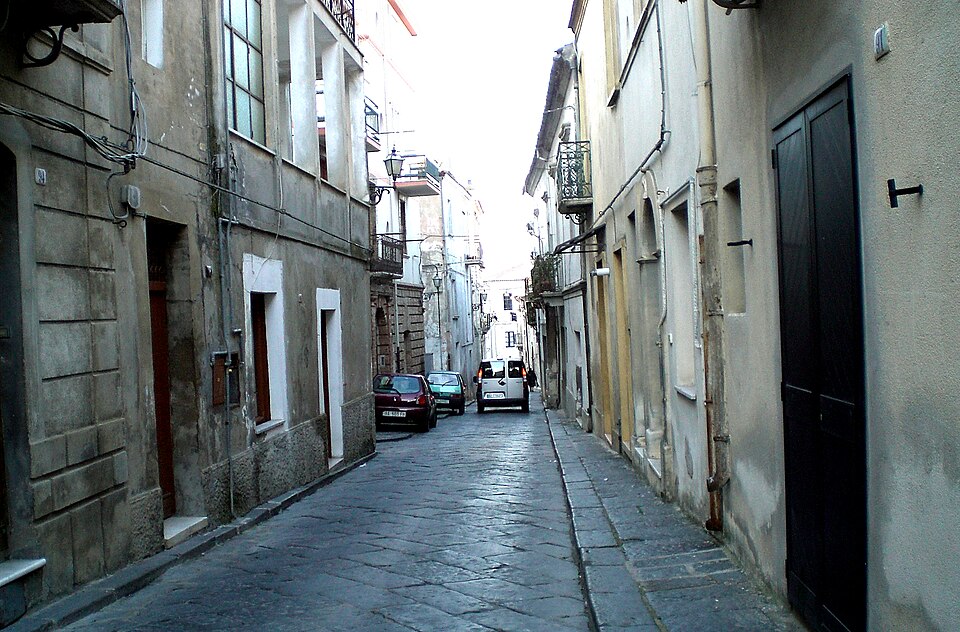
- Ruins of the First Castle Along Via Capitano Verri
- Castellara
- Convent of the Cappuccini
- Certosa of Saint Giovanni Battista
- Hermitage of Saint John
Uscosium, Usconium, Colleniso, Guillonisi, UjunišE, UinišE
Robert Guiscard, Duke of Spoleto, Lotarius, Robert of Anjou, Peter, Count of Gravina, Agnese, René of Anjou, Charles Viii of France
- Destruction By the Goths
- Encirclement By Protective Walls In the Longobardo Period
- Erection of Watchtowers and Castles In the 9th Century
- Submission To the Duke of Spoleto In 801 Ad
- Incursions By Saracen Raiders
- Pillage By Emperor Lotarius In 1137 Ad
- Inheritance By Agnese In the 14th Century
- Founding of the Certosa of Saint Giovanni Battista In 1340
- Invasion and Plundering By Charles Viii of France In 1496
- Invasion and Fire By the Turks In the 16th Century
About Guglionesi
Guglionesi is a historic town and comune situated in the Molise region of southern Italy. Its origins trace back to the 5th century BC when it was known as Uscosium or Usconium, serving as a significant settlement for the Frentani, an Italic people allied with the Samnites. The town's strategic location along the Via Frentana-Traiana facilitated its growth into a Roman municipium, estimated to have once housed a population of up to 25,000.
History and Development
The early history of Guglionesi is marked by periods of destruction and rebuilding. Following an initial devastation by the Goths, its inhabitants sought refuge in the nearby hill fort known as Pagus Collis Nisii or Collenisyus. This fortified settlement became known as 'New Usconium' in 412 AD and was later enclosed with protective walls during the Longobardo era. The 9th century saw further significant defensive developments, including the construction of eighteen watchtowers and two castles under Robert Guiscard's influence.
The town endured numerous external pressures and conflicts throughout the medieval and early modern periods. It faced incursions from Saracen raiders and was subjected to pillage by Emperor Lotarius in 1137 AD. In the 14th century, the town's name shifted from Colleniso to Guillonisi. A particularly destructive event occurred in 1496 when French forces under Charles VIII entered and plundered the village, demolishing its fortifications. Later, in the 16th century, Turkish invaders caused further damage, notably setting fire to the church of Saint Maria Maggiore.
Notable Structures and Foundations
Among the historical structures associated with Guglionesi are the remnants of its early castles, with ruins of the first castle still visible along Via Capitano Verri. The Convent of the Cappuccini was later built upon the foundations of the second castle in Castellara. A significant religious and cultural foundation was the Certosa of Saint Giovanni Battista, also known as Porta del Paradiso (The Heaven's Door), established in 1340 by Agnese. This site is now home to the Hermitage of Saint John.
Source: Wikipedia ↗
Frequently Asked Questions
What was Guglionesi called in ancient times?
In ancient times, Guglionesi was known as Uscosium or Usconium. It was one of the prominent centers of the Frentani people, an Italic group associated with the Samnites.
What was the strategic importance of ancient Usconium?
Usconium's strategic position along the Via Frentana-Traiana was crucial. This location allowed it to develop into a municipium towards the end of the Roman Republic, and it is estimated to have had a population of around 25,000 inhabitants at its peak.
How did the town's defenses evolve over time?
After its initial destruction by the Goths, the inhabitants sheltered in the hill fort of Colleniso. This became 'New Usconium' in 412 AD and was encircled by walls during the Longobardo period. Further significant fortifications, including watchtowers and castles, were added in the 9th century.
What significant historical events affected Guglionesi?
Guglionesi endured several invasions, including those by Saracen raiders, pillage from Emperor Lotarius in 1137 AD, and a devastating plunder by Charles VIII of France in 1496. In the 16th century, Turkish invaders set fire to the church of Saint Maria Maggiore.
When was the Certosa of Saint Giovanni Battista founded?
The Certosa of Saint Giovanni Battista, also known as Porta del Paradiso, was founded in 1340 by Agnese, daughter of Peter, Count of Gravina. This site is now where the Hermitage of Saint John is located.
Related Monasteries
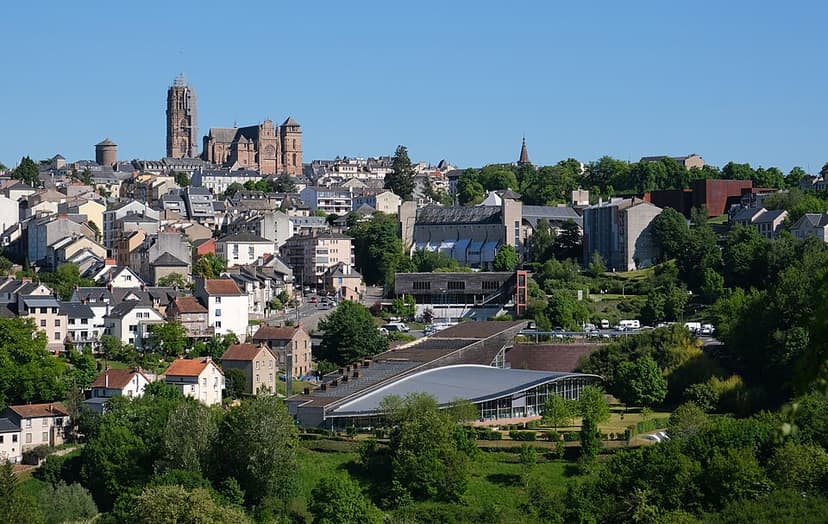
Rodez
Rodez is a historic city in southern France, with origins dating back to the 5th century BC when it was founded by the Celtic tribe of the Ruteni. It served as a significant Gallic oppidum, later becoming a Roman settlement known as Segodunum and then Civitas Rutenorum. Throughout its history, Rodez experienced occupations by various powers, including the Visigoths, Franks, Arabs, and English, and was notably marked by a medieval rivalry between its Counts and Bishops. Today, it is the prefecture of the Aveyron department and a flourishing merchant center.
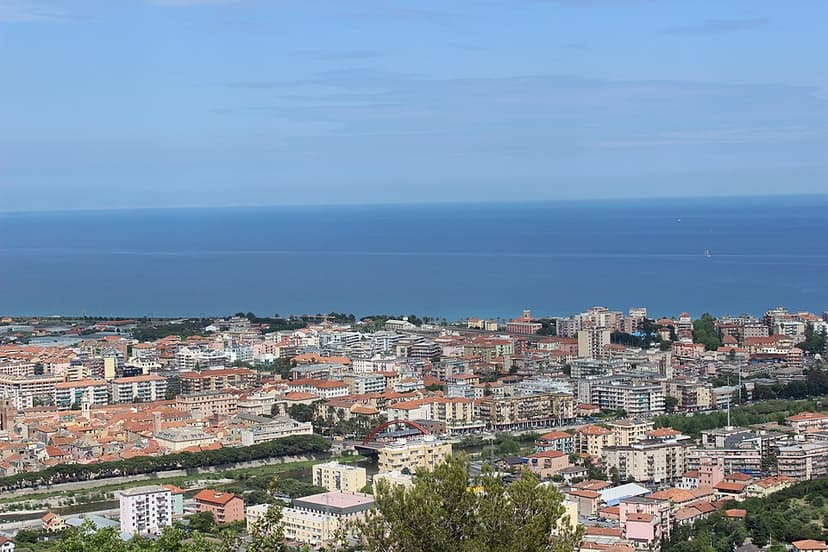
Albenga
Albenga is a historic city on the Italian Riviera, known for its "city of a hundred spires" nickname. Its economy thrives on tourism, local commerce, and agriculture. Founded around the 4th century BC by the Ligurian tribe Ingauni, Albenga boasts a rich history marked by Romanization, medieval self-governance, and periods of prosperity and decline, with its strategic location on the Centa River influencing its development and economy.
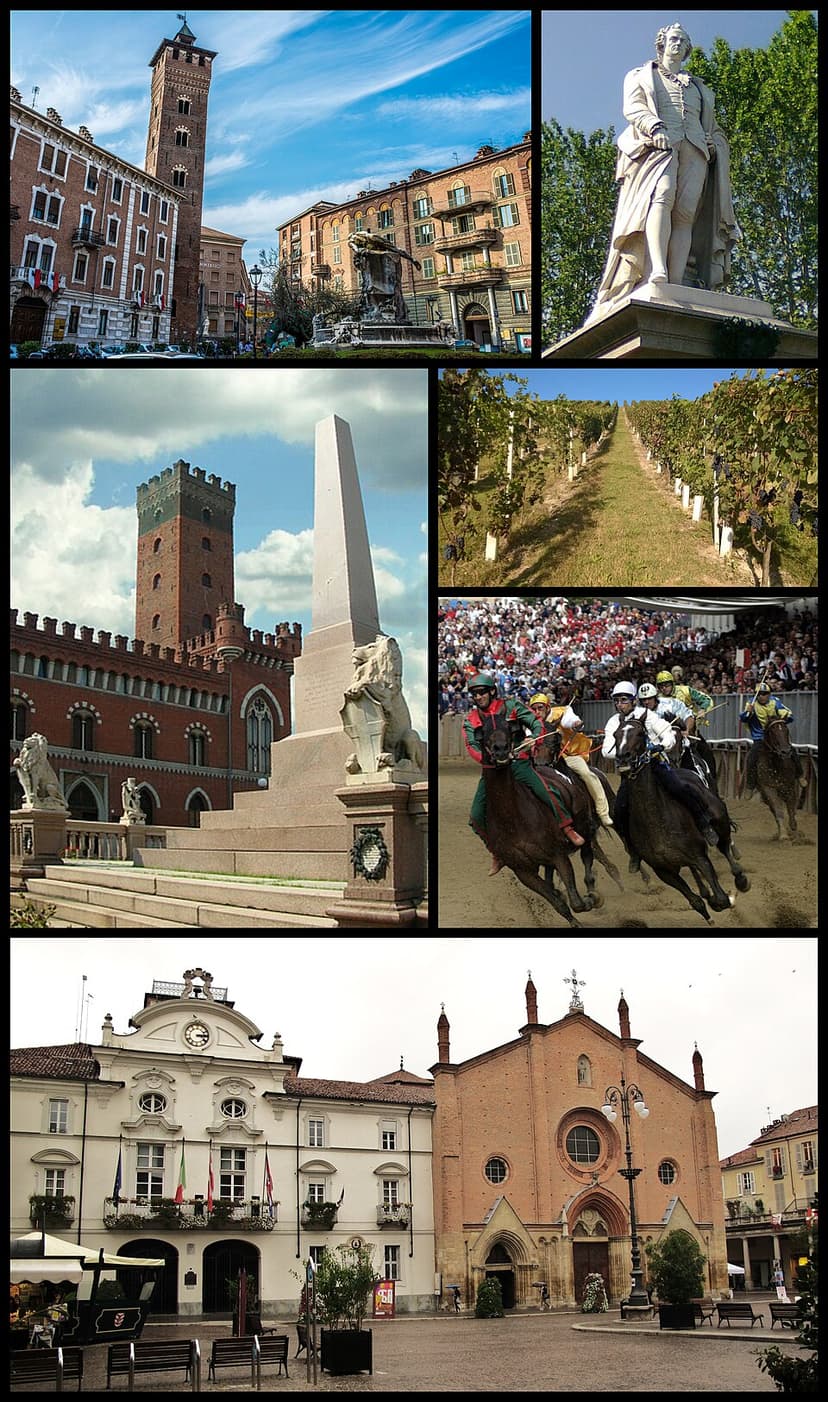
Asti
Asti is a historic comune in the Piedmont region of Italy, with a history stretching back to the Neolithic period. It rose to prominence as a Roman city named Hasta, strategically located on trade routes. Throughout the Middle Ages, Asti evolved into a powerful free commune, known for its economic and cultural splendor, and as a central hub for trade. The city has experienced periods of significant conflict and rule by various powers, including the Lombards, Franks, French, and Savoyards, before becoming part of unified Italy.