
Exeter — St Nicholas Priory
Christian·England·Museum and events venue·11th century
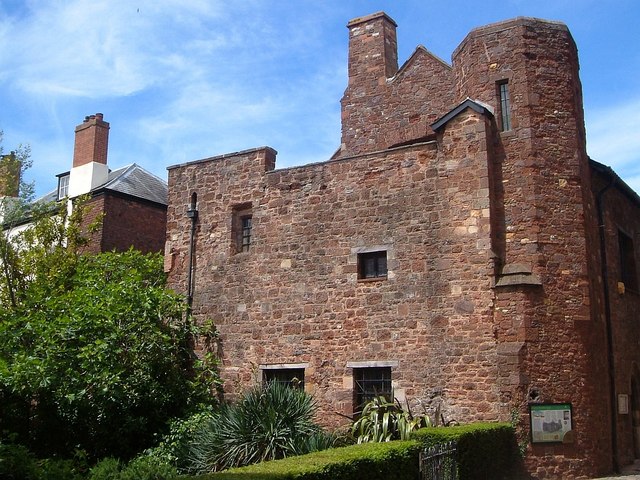
St Nicholas Priory was a Benedictine monastery founded in Exeter, England, in 1087. While its church and chapter house were demolished during the Dissolution of the Monasteries, its domestic buildings survived and were later transformed into an Elizabethan townhouse and subsequently subdivided. Today, the surviving west range is a museum owned by the Exeter Historic Buildings Trust, showcasing its history as a monastery and a Tudor home.
Key Facts
- ›Founded in 1087 by monks sent from Battle Abbey.
- ›Established in Exeter, England, following William the Conqueror's siege.
- ›Survived the Dissolution of the Monasteries with its domestic buildings intact.
- ›Transformed into an Elizabethan townhouse between 1575 and 1602.
- ›Currently operates as a museum and events venue under the Exeter Historic Buildings Trust.
- ›Designated as a Grade I listed building by Historic England.
Benedictine Monastic, Elizabethan
Surviving Domestic Buildings, Restored As An Elizabethan Townhouse, Grade I Listed Building
St Nicholas Priory, Exeter
- Founded After William the Conqueror's Siege of Exeter In 1068.
- Dissolution of the Monasteries Under King Henry Viii In 1536.
- Converted Into An Elizabethan Townhouse Between 1575 and 1602.
- Purchased By Exeter Corporation For Restoration In 1913.
- Reopened As A Museum In 1916.
- Reopened As An Events Venue In 2018 After Structural Repairs.
About Exeter — St Nicholas Priory
St Nicholas Priory was a Benedictine monastery established in Exeter, England, in 1087. Its foundation followed William the Conqueror's siege of Exeter in 1068, during which he granted the church of St Olave to Battle Abbey. Monks from Battle Abbey were sent to administer this church and its possessions, leading to the construction of the new monastery dedicated to Saint Nicholas.
History and Development
Throughout the 12th and 13th centuries, the Priory expanded its landholdings and erected new monastic buildings as funds allowed, incorporating hospitality as a key element of its rule. The Priory played an active role in the city's life until 1536, when King Henry VIII's Dissolution of the Monasteries led to the monks being pensioned off and the church and cloisters demolished. Some of the stone from the priory was used for the repair of the nearby Exe Bridge.
The remaining domestic buildings and precinct were sold by the Crown and, between 1575 and 1602, were transformed into an impressive Elizabethan townhouse. Subsequently, the building underwent further subdivision into houses and businesses over the centuries. In 1913, Exeter Corporation acquired the Priory with the intention of restoring its original monastic architecture. It was subsequently opened to the public as a small museum in 1916.
Modern Use and Accessibility
From 1916 until structural issues led to its closure in 2015, the priory served as a museum, furnished to reflect its time as the home of the wealthy Hurst family in 1602. This display featured replica furniture and vibrant colors characteristic of the Elizabethan period, offering an insight into Tudor life through Exeter's artifact collection. After undergoing repairs and reinterpretation in 2007, and further maintenance in 2009, the priory reopened in 2018 under the management of the Exeter Historic Buildings Trust. It now operates as an events and private hire venue and is open for public exploration every Sunday from February to November, between 13:00 and 16:00.
St Nicholas Priory is designated as a Grade I listed building by Historic England, acknowledging its significant architectural and historical importance.
Source: Wikipedia ↗
Frequently Asked Questions
When was St Nicholas Priory founded?
St Nicholas Priory was founded in 1087. Monks were sent from Battle Abbey to establish the monastery after William the Conqueror's siege of Exeter.
What happened to St Nicholas Priory during the Dissolution of the Monasteries?
During the Dissolution of the Monasteries, the church and chapter house of St Nicholas Priory were pulled down. However, the domestic buildings were left intact and later repurposed.
What is St Nicholas Priory used for today?
Today, the surviving west range of St Nicholas Priory is a museum and events venue managed by the Exeter Historic Buildings Trust. It is furnished to represent an Elizabethan townhouse and offers insights into Tudor life.
Can I visit St Nicholas Priory?
Yes, St Nicholas Priory is open to explore for free every Sunday from February to November between 13:00 and 16:00. It also runs an events program throughout the year.
What is the architectural significance of St Nicholas Priory?
The surviving domestic buildings of St Nicholas Priory represent monastic architecture and were later adapted into an impressive Elizabethan townhouse. It is recognized for its historical architectural value and is a Grade I listed building.
Related Monasteries

Abbotsbury Abbey
Abbotsbury Abbey was a Benedictine monastery founded in the 11th century by Orc and his wife Tola, becoming a significant local power center. Despite periods of misfortune, including the Black Death and coastal raids, the abbey was dissolved in 1539. Today, remnants of the abbey and associated structures like St. Catherine's Chapel are managed by English Heritage.
Binham Priory
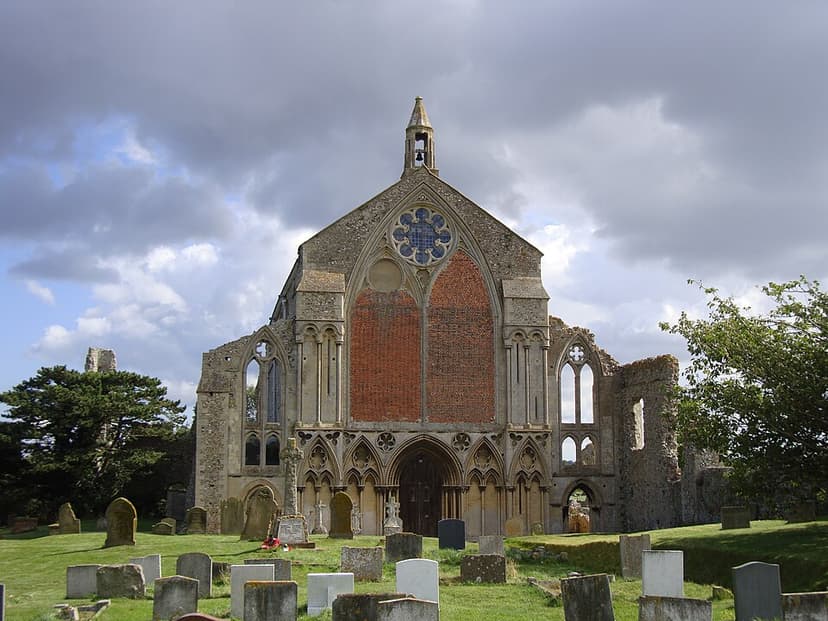
Binham Priory, officially St Mary's Priory, Binham, was a ruined Benedictine priory in Norfolk, England, founded in 1091. Its history is marked by scandal and unscrupulous priors, culminating in its dissolution and partial destruction in 1539. The surviving nave of its priory church continues to serve as the parish church of St. Mary and the Holy Cross.

Winchester Cathedral
Winchester Cathedral, officially the Cathedral Church of the Holy Trinity and of Saint Peter and Saint Paul and of Saint Swithun, is a significant medieval cathedral in Winchester, England, renowned for its immense size and architectural evolution. Originally a Norman structure consecrated in 1093, it underwent extensive Gothic expansions and remodels over centuries, resulting in its present form which is the longest medieval cathedral in the world. It serves as the seat of the Bishop of Winchester and is a major tourist attraction, having undergone significant restoration efforts, most notably in the early 20th century to address foundation issues.