
Đurđevi Stupovi Monastery
Đurđevi Stupovi Monastery is a Serbian Orthodox monastery located in Berane, Montenegro. Founded in 1213 by Stefan Prvoslav, it served as the episcopal seat for the Eparchy of Budimlja for centuries and continues to be a significant religious center today. The monastery is characterized by its historical importance as a spiritual and administrative hub for the region.
Key Facts
- ›Founded in 1213 by Stefan Prvoslav, nephew of Stefan Nemanja.
- ›Served as the seat of the Eparchy of Budimlja from 1219 until the late 17th century.
- ›Currently serves as the seat of the Eparchy of Budimlja and NikšIć.
- ›Located in Berane, in northeastern Montenegro.
- ›The name translates to 'Monastery of the Pillars of St. George'.
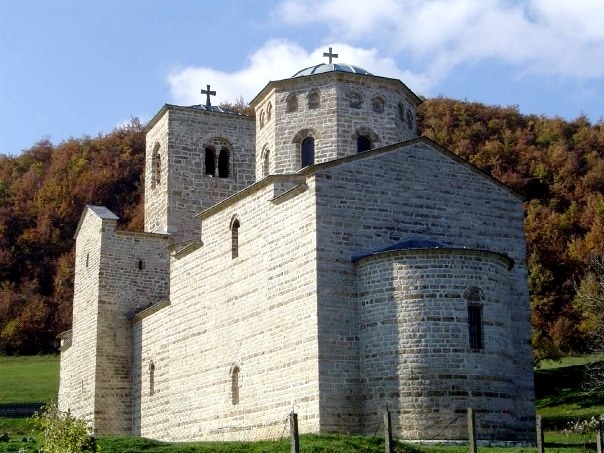
Historically Served As An Episcopal Seat
Manastir đUrđEvi Stupovi
Stefan Prvoslav, Stefan Nemanja
- Established As Seat of Eparchy of Budimlja In 1219
- Served As Seat of Eparchy of Budimlja Until Late 17th Century
About Đurđevi Stupovi Monastery
Đurđevi Stupovi Monastery is a significant Serbian Orthodox monastery located in Berane, in the northeastern region of Montenegro. Its history is deeply intertwined with the development of the Serbian Orthodox Church and the region's ecclesiastical administrative structure.
History and Significance
The monastery was founded in 1213 by Stefan Prvoslav, who was the nephew of the influential Serbian ruler Stefan Nemanja. From its early years, Đurđevi Stupovi held a prominent position. In 1219, it became the seat of the Eparchy of Budimlja, an important ecclesiastical district. This role as a principal bishopric continued for several centuries, lasting until the end of the 17th century. Even after this period, the monastery's spiritual and administrative importance persisted, and it currently serves as the seat of the Eparchy of Budimlja and Nikšić. The name "Đurđevi Stupovi" itself translates to "Monastery of the Pillars of St. George," indicating its dedication to Saint George and possibly referencing distinctive architectural elements.
Location and Current Status
Situated in Berane, Đurđevi Stupovi Monastery remains an active religious community. Its enduring presence highlights its historical legacy as a center of faith and governance within the Serbian Orthodox tradition.
Source: Wikipedia ↗
Frequently Asked Questions
When was Đurđevi Stupovi Monastery founded?
Đurđevi Stupovi Monastery was founded in 1213. The founding was carried out by Stefan Prvoslav, who was the nephew of the prominent Serbian ruler Stefan Nemanja.
What is the significance of the name 'Đurđevi Stupovi'?
The name Đurđevi Stupovi translates from Serbian to 'Monastery of the Pillars of St. George'. This name refers to the monastery's dedication and likely its architectural features.
What was the historical administrative role of the monastery?
From 1219, Đurđevi Stupovi Monastery was the seat of the Eparchy of Budimlja. It held this important ecclesiastical and administrative role until the end of the 17th century.
Is Đurđevi Stupovi Monastery still an active religious center?
Yes, Đurđevi Stupovi Monastery remains an active religious site. Today, it serves as the seat for the Eparchy of Budimlja and Nikšić, continuing its long-standing importance.
Where is Đurđevi Stupovi Monastery located?
The monastery is situated in Berane, a city in the northeastern part of Montenegro.
Related Monasteries

Dovolja Monastery
The Dovolja Monastery is a Serbian Orthodox monastery situated on the right bank of the Tara River near Pljevlja, Montenegro. Believed to have been founded by King Stefan Milutin at the end of the 13th century, it was first documented in 1513 and is dedicated to the Assumption of the Holy Mother of God. The monastery is ecclesiastically administered by the Eparchy of Mileševa, and at some point after 1699, the relics of Archbishop Arsenije I were transferred from Dovolja to Dobrilovina Monastery.
Vranjina Monastery
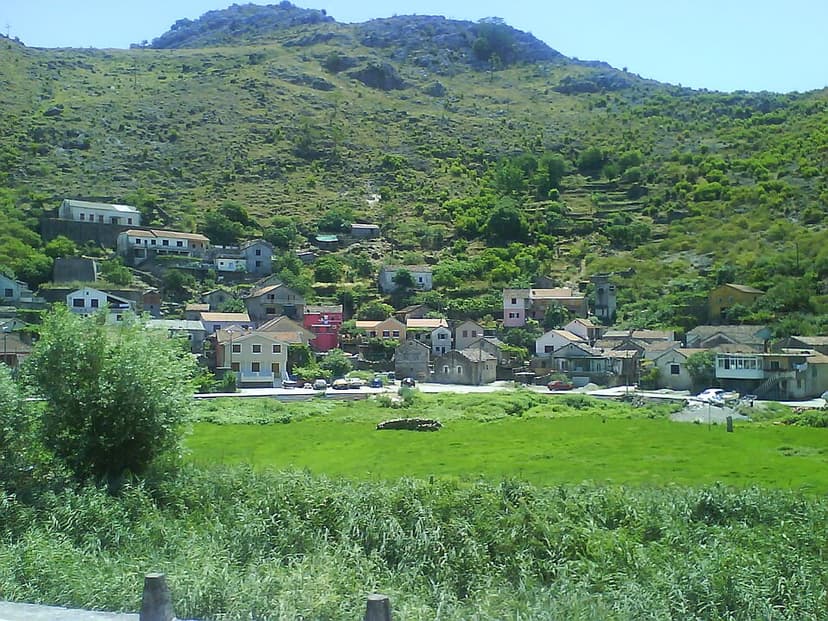
Vranjina Monastery, also known as the Monastery of St. Nicholas, is a historic Serbian Orthodox monastery situated on Vranjina island in Skadar Lake, Montenegro. First mentioned in the early 13th century, it was a significant religious and political center, receiving substantial endowments from Serbian rulers. Despite being completely destroyed multiple times, particularly in the 19th century, the monastery has been consistently rebuilt, most recently in 1886, and continues to hold religious importance.

Morača Monastery
Morača Monastery is a significant Serbian Orthodox monastery located in central Montenegro, founded in 1252 by Stefan Vukanović of the Nemanjić dynasty. Recognized as one of Montenegro's finest medieval monuments, it features Rascian-style architecture with Romanesque portals and important frescoes dating from the 13th and 16th centuries, including depictions of the life of Prophet Elias and the Last Judgment. Despite suffering damage from Ottoman incursions, it has undergone reconstructions and remains a vital historical and religious site.