
Dolany
Christian·Czech Republic·Ruins (monastery), Active (municipality)·13th century
Dolany is a municipality and village located in the Olomouc Region of the Czech Republic, with a history stretching back to at least 1235. It is notable for being the site of the Vallis Josaphat monastery, a Carthusian foundation established in the late 14th century, which was later destroyed and whose ruins are still visible. The village itself features the late Baroque Church of Saint Matthew as its main landmark.
Key Facts
- ›First written mention of Dolany dates back to 1235.
- ›Carthusian monastery, Vallis Josaphat, was built in Dolany between 1386 and 1388.
- ›The monastery was destroyed during the Hussite Wars in 1425.
- ›The main landmark is the Church of Saint Matthew, built in the late Baroque style.
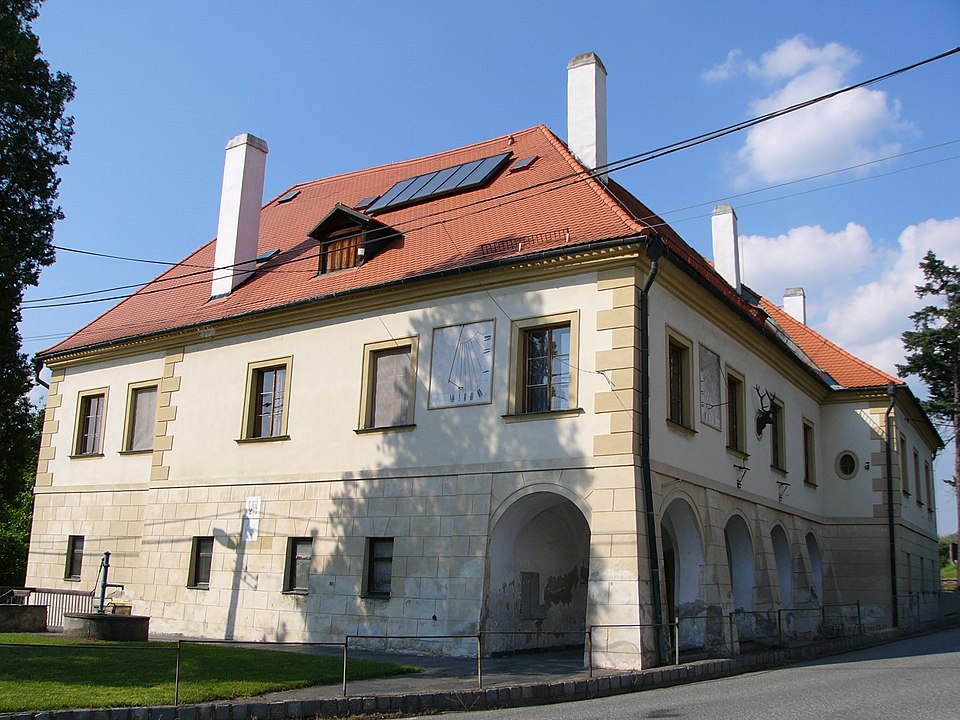
- ›Dolany Castle, originally a Renaissance residence, was rebuilt in the early Baroque style.
- ›The municipality consists of three parts: Dolany, Pohořany, and Véska.
Late Baroque, Early Baroque, Renaissance
Ruins of the Carthusian Monastery, Church of Saint Matthew, Dolany Castle, Balustrade Staircase With Baroque Sculptures
Vallis Josaphat Monastery
Beneš of Wildenberk, Liechtenstein Family
- First Written Mention In 1235
- Sold To Beneš of Wildenberk and Joined To Bouzov Estate
- Acquired By Carthusian Monastery In TržEk
- Vallis Josaphat Monastery Built
- Monastery Destroyed During Hussite Wars
- Properties Confiscated and Owned By Liechtenstein Family
- Establishment of A Sovereign Municipality
About Dolany
Dolany is a municipality and village situated in the Olomouc District within the Olomouc Region of the Czech Republic. With a history that traces back to at least 1235, Dolany has experienced periods of significant monastic presence and transformation.
History and Religious Significance
The village's historical landscape was shaped by the establishment of the Carthusian monastery, known as Vallis Josaphat. Founded between 1386 and 1388, it served as a religious center for the Carthusian order, drawing monks from Tržek. However, this monastic community was tragically disrupted during the Hussite Wars in 1425, leading to the monastery's destruction and the dispersion of its inhabitants. Today, only the ruins of this once-prominent monastery remain as a testament to its past.
Architectural Heritage
Dominating the village's visual identity is the Church of Saint Matthew, a notable example of late Baroque architecture constructed between 1776 and 1785. The church's surroundings and a prominent balustrade staircase are adorned with valuable Baroque sculptures dating from the first half of the 18th century. Another historical structure is the Dolany Castle, which began as a late Renaissance feudal residence in 1667 and was subsequently rebuilt in the early Baroque style. It now houses the municipal office.
Administration and Geography
Dolany is administratively divided into three parts: Dolany itself, Pohořany, and Véska, with the main village of Dolany being the largest. Geographically, it is located approximately 7 kilometers northeast of the city of Olomouc, positioned on the boundary between the Nízký Jeseník mountain range and the Upper Morava Valley. The highest point in the municipality is Jedová hill, reaching 633 meters above sea level, and the Dolanský potok stream flows through the area.
Source: Wikipedia ↗
Frequently Asked Questions
When was Dolany first mentioned in historical records?
The first written mention of Dolany dates back to the year 1235. This indicates a long history for the settlement in the Olomouc Region.
What is the significance of the Carthusian monastery in Dolany?
A Carthusian monastery, named Vallis Josaphat, was established in Dolany between 1386 and 1388, with the monks moving there from Tržek. However, it was destroyed during the Hussite Wars in 1425, and only ruins remain today.
What is the main architectural landmark in Dolany?
The primary landmark in Dolany is the Church of Saint Matthew, a significant example of late Baroque architecture. It was constructed between 1776 and 1785.
What is the current status of the Carthusian monastery in Dolany?
The Carthusian monastery in Dolany no longer stands as an active religious institution. Today, only ruins and a few surviving remains are visible, marking the historical site of the former monastery.
Who owned Dolany historically before it became a sovereign municipality?
Before the establishment of a sovereign municipality in 1850, Dolany was owned by the Liechtenstein family. They held ownership of the properties from 1619 onwards.
Related Monasteries

Porta coeli Convent
Porta coeli Convent, meaning "Heaven's Gate" in Latin, is a 13th-century Cistercian convent located in Předklášteří, Czech Republic. Founded in 1233 by Queen Constance of Hungary, it features a unique Western façade with a portal reminiscent of French cathedrals. The convent houses valuable Baroque furnishings and notable early Gothic vaulting in its cloister walk.

Vyšší Brod Monastery
Vyšší Brod Monastery, also known as Hohenfurth Abbey, is a significant Catholic Cistercian monastery located in the Czech Republic. Founded in 1259, it stands as a vital cultural monument in South Bohemia. The monastery is notable for its adherence to the Traditional Latin Mass and houses a branch of the Prague Postal Museum.
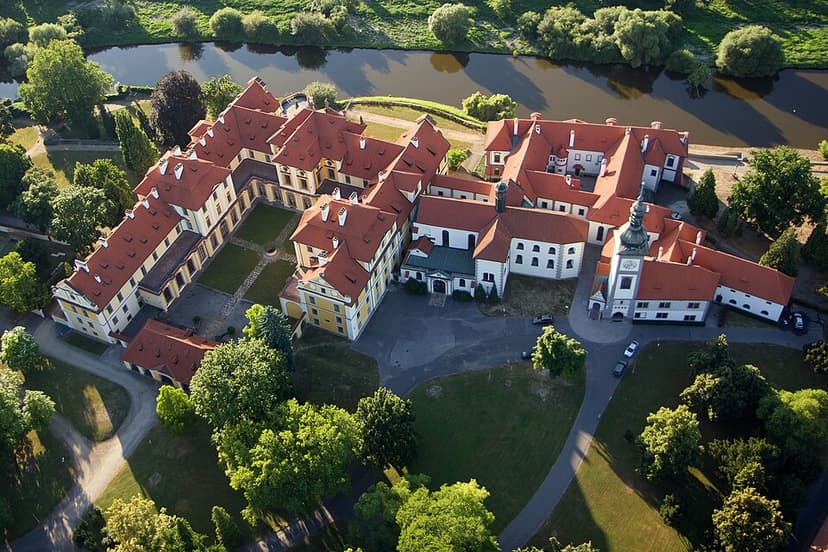
Zbraslav Monastery
The Cistercian Abbey of Zbraslav, also known as Aula Regia, was a prominent monastery in the Kingdom of Bohemia, founded by King Wenceslaus II in 1292. It served as the royal necropolis for the Přemyslid dynasty and was abolished in 1789 by Emperor Joseph II. The abbey is renowned for its abbot, Peter of Zittau, author of the Zbraslav Chronicle, and for the significant Gothic painting, the Madonna of Zbraslav.