
Congregation of the Feuillants
Catholicism·France·Suppressed (French branch), Reintegrated (Italian branch)·16th century
The Congregation of the Feuillants was a Catholic reform movement that emerged in the 1570s from the Cistercian Abbey of Les Feuillants in France, eventually declaring itself an independent order. Known for its extreme asceticism, the congregation separated in 1630 into French and Italian branches, with the French order being suppressed during the Revolution and the Italian branch later reintegrating with the Cistercians. The congregation's former Parisian monastery lent its name to the influential political Club des Feuillants.
Key Facts
- ›Originated as a reform group within the Cistercian order in the 1570s.
- ›Known for an exceptionally austere interpretation of the Cistercian rule, including renouncing wine, fish, and eggs, and eating on the floor.
- ›Declared an independent order in 1589 after receiving papal confirmation.
- ›Separated into French and Italian branches in 1630.
- ›The French branch was suppressed during the French Revolution in 1791.
- ›The Parisian monastery of the Feuillants became the meeting place for the political Club des Feuillants.
- Extreme Ascetic Practices
- Separation Into French and Italian Branches
- Former Parisian Monastery Lent Its Name To A Political Club
Congregation of Our Lady of the Feuillants, Reformed Bernardines, Bernardoni
Jean De La BarrièRe, Arnaud D'Ossat, Bernard De Montgaillard, Dom Sans De Sainte-Catherine, Dom Eustache De Saint-Paul, Antoinette D'OrléAns-Longueville, Eustachius A Sancto Paulo, Cardinal Bona, Gabriele De Castello, Charles De Saint-Paul, Pierre ComagèRe, Laurent Apisius, Jean Goulu, Brother Cosmas, Carlo Giuseppe Morozzi
- Founding of Les Feuillants Abbey
- Jean De La BarrièRe's Reform Efforts Begin
- Papal Confirmation As A Separate Congregation
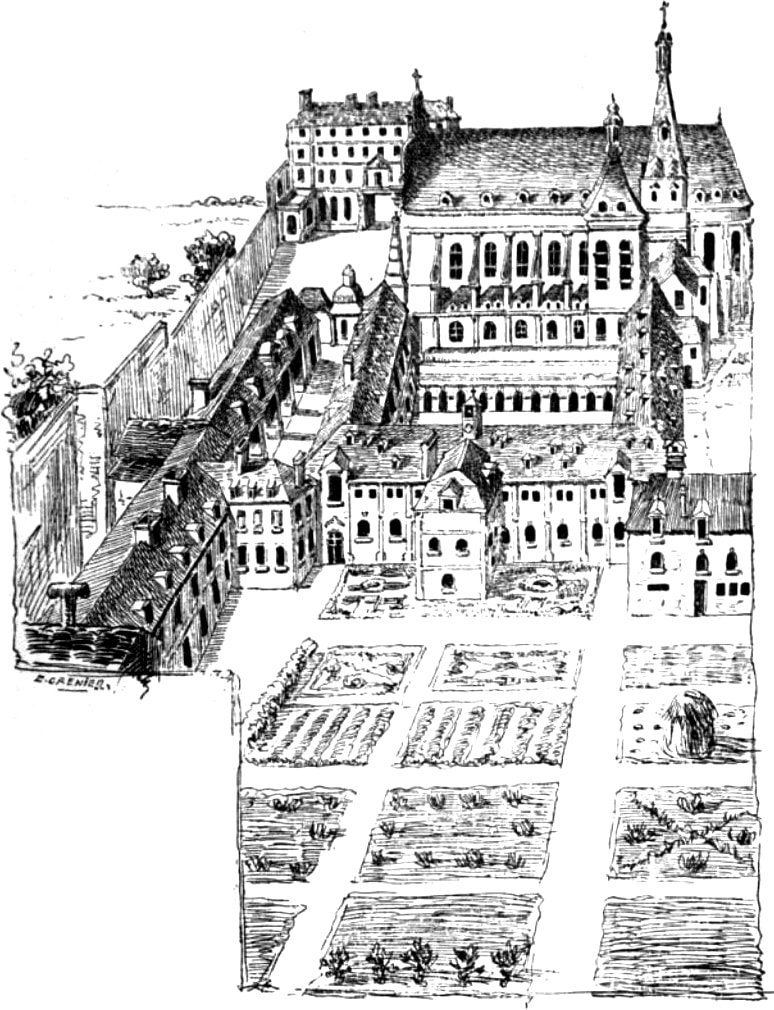
- Establishment of Monastery In Paris
- Division Into French and Italian Branches
- Suppression of the French Order
- Use of Former Parisian Monastery By the Club Des Feuillants
About Congregation of the Feuillants
The Congregation of the Feuillants was a Catholic reform movement that emerged in the latter half of the 16th century. Originating from the Cistercian Abbey of Les Feuillants near Toulouse, France, it declared itself an independent order in 1589. The congregation became known for its exceptionally rigorous asceticism, a departure even from the demanding Cistercian rule.
History and Reform
The reform movement began in earnest in the 1570s under Abbot Jean de la Barrière at Les Feuillants Abbey, founded in 1145. Barrière sought to reintroduce a more austere interpretation of the Cistercian rule, which was met with initial resistance from the existing monks. The reform included strict dietary regimens, renunciation of comforts like tables and pillows, and a significant emphasis on silence and manual labor. Despite opposition, the reform gained papal approval and flourished, leading to its establishment as a separate congregation.
Branches and Legacy
In 1630, the congregation formally divided into two branches: the Congregation of Our Lady of the Feuillants in France and the Reformed Bernardines, or Bernardoni, in Italy. The French branch, which had grown to twenty-four abbeys, was suppressed in 1791 during the French Revolution. The Italian branch eventually rejoined the main Cistercian order. The former monastic premises of the Feuillants in Paris gained political notoriety during the Revolution, serving as the meeting place for the conservative Club des Feuillants, which lent its name to the group.
Notable Members and Monasteries
The congregation produced several notable figures, including spiritual directors like Dom Sans de Sainte-Catherine and Dom Eustache de Saint-Paul, as well as theologians and writers such as Cardinal Bona and Eustachius a Sancto Paulo. Its houses included the original Les Feuillants Abbey, the Convent of the Feuillants in Paris, and San Bernardo alle Terme in Rome.
Source: Wikipedia ↗
Frequently Asked Questions
When was the Congregation of the Feuillants founded?
The Congregation of the Feuillants originated in the 1570s, with its namesake abbey, Les Feuillants, being founded in 1145 and undergoing reform starting in 1573. It was officially confirmed as a separate congregation in 1589.
What made the Feuillant reform distinct?
The Feuillant reform was characterized by extreme asceticism. Monks renounced wine, fish, and eggs, ate on the floor, slept on bare planks for only four hours, and practiced prolonged silence and manual labor.
Did the Feuillants have a presence in Italy?
Yes, in 1630 the congregation divided into a French branch and an Italian branch. The Italian branch was known as the Reformed Bernardines or Bernardoni, and it eventually rejoined the Cistercian order.
What happened to the Feuillants during the French Revolution?
During the French Revolution, the French branch of the Feuillants was suppressed in 1791, along with other religious orders. At the time, it had twenty-four abbeys in France.
How did the Feuillants influence politics?
The former monastery of the Feuillants in Paris was used as offices and meeting spaces during the French Revolution. It gave its name to the conservative political club, the Club des Feuillants, which met there from 1791 to 1792.
Related Monasteries

Avignon
Avignon, also known as 'La Cité des Papes' (The City of the Popes), is a historic city in southern France renowned for its papal history and well-preserved medieval architecture. Between 1309 and 1377, it served as the residence for seven successive popes, significantly shaping its urban development and cultural landscape. The city's historic center, including the Palais des Papes and its ramparts, is a UNESCO World Heritage Site, drawing millions of visitors annually for its architectural grandeur and vibrant arts scene, particularly the annual Festival d'Avignon.

Évreux
Évreux is a historic French commune and the capital of the Eure department in Normandy. Originally known as Mediolanum Aulercorum in late Antiquity, the town's history is marked by its role as a regional center, the seat of counts, and a significant site for both Catholic and Jewish scholarship. Heavily damaged in World War II, much of its center has since been rebuilt, retaining significant medieval architectural elements, particularly in its cathedral and the former abbey church of Saint-Taurin.

Guingamp
Guingamp is a commune in northwestern France, historically marked by successive castles, the last of which was razed in the early 17th century. It is particularly known for its professional football team, En Avant Guingamp, which has competed in Ligue 1 and won the Coupe de France multiple times. The town also hosts the Saint Loup festival, a significant event for Breton dances and Celtic music, and has a tradition of honoring a 'Black Virgin' at the Basilica of Notre Dame de Bon Secours.