
Comana Monastery
Comana Monastery is a Romanian Orthodox monastery located in Comana, Giurgiu County, Romania. Originally founded in 1461 by Vlad Țepeș as a monastery-fortress, it was rebuilt in 1589 by Radu Șerban and later restored multiple times. Archaeological discoveries on its grounds have led to speculation that it may be the burial site of Vlad Țepeș.
Key Facts
- ›Founded in 1461 by Vlad Țepeș as a monastery-fortress.
- ›Rebuilt in 1589 by Radu Șerban, featuring defensive walls and five towers.
- ›Restored in the late 17th century and again in the 18th and 19th centuries.
- ›The foundation of the original monastery was rediscovered in 1861.
- ›Archaeological work in the 1970s uncovered a headless body possibly belonging to Vlad Țepeș.
- ›Believed by some historians to be the burial site of Vlad Țepeș.
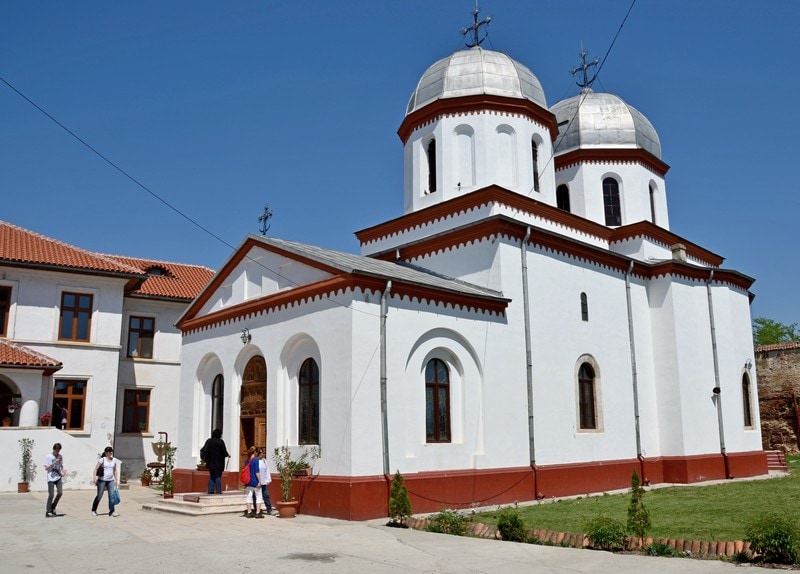
Fortified Monastery
Defensive Walls, Five Towers, Potential Burial Site of Vlad țEpeș
MăNăStirea Comana
Vlad țEpeș, Radu șErban, șErban Cantacuzino, Ioan Brezoianu, Constantin Rezachevici
- Founded As A Monastery-Fortress
- Rebuilt As A Fortified Structure
- Restorations In Late 17th, 18th, and 19th Centuries
- Rediscovery of Original Foundation
- Archaeological Discovery of A Possible Burial Site
About Comana Monastery
Comana Monastery, known in Romanian as Mănăstirea Comana, is a significant Romanian Orthodox monastic site located in Comana, Giurgiu County, Romania. Its history is deeply intertwined with prominent figures of Romanian principality, beginning with its founding by Vlad Țepeș, commonly known as Vlad the Impaler, in 1461. Vlad Țepeș established it as a monastery-fortress, highlighting its strategic importance at the time.
History and Development
After falling into disrepair, the original structure was completely demolished and rebuilt in 1589 by Radu Șerban, who would later become a prince of Wallachia. This new monastery was a substantial construction, measuring 61 m × 56 m (200 ft × 184 ft), and was fortified with defensive walls and five towers. The monastery underwent further restoration efforts between 1699 and 1703 under the patronage of Șerban Cantacuzino, with additional work carried out throughout the 18th and 19th centuries.
Archaeological Significance
In 1861, Ioan Brezoianu rediscovered the foundation of the original monastery built by Vlad Țepeș. More recently, archaeological work conducted in the 1970s yielded a remarkable discovery: a headless body found on the grounds of the current monastery. Historians like Constantin Rezachevici have proposed that this might be the burial site of Vlad Țepeș himself, suggesting he was interred here near the battlefield where he met his end. This potential connection adds a layer of historical intrigue and importance to Comana Monastery.
Source: Wikipedia ↗
Frequently Asked Questions
When was Comana Monastery originally founded?
The original Comana Monastery was founded in 1461. It was established by Vlad Țepeș, also known as Vlad the Impaler.
Who rebuilt Comana Monastery after it fell into disrepair?
The original monastery was completely demolished and rebuilt in 1589 by Radu Șerban. He was a future prince of Wallachia.
What is significant about the archaeological discoveries at Comana Monastery?
During archaeological work in the 1970s, a headless body was discovered on the grounds. Historians believe this may be the body of Vlad Țepeș, who may have been buried near the battlefield where he was killed.
Has Comana Monastery been restored over time?
Yes, the monastery has undergone several restorations. It was restored between 1699 and 1703 by Șerban Cantacuzino, and further restorations occurred during the 18th and 19th centuries.
Related Monasteries

Neamț Monastery
Neamț Monastery is a historic Romanian Orthodox religious settlement, recognized as one of the oldest and most significant in Romania. Constructed in the 15th century during the reign of Stephen III of Moldavia, it exemplifies the mature Moldavian architectural style. The monastery has a rich history of artistic and cultural activity, serving as a center for scribes, miniaturists, and chroniclers, and later re-establishing a printing tradition.

Putna Monastery
Putna Monastery is a significant Romanian Orthodox monastery in Bukovina, established by Stephen the Great in the 15th century as a testament to his military victories and a center of religious and artistic life in medieval Moldavia. It is renowned for housing the tombs of Stephen the Great and several family members, and its art, including icon veils and tombstones, is considered exemplary of Moldavian art from that era. The monastery also serves as the starting point for the Via Transilvanica long-distance trail.

Voroneț Monastery
Voroneț Monastery is a significant medieval Romanian Orthodox monastery renowned for its vibrant exterior frescoes, particularly the distinctive "Voroneț blue." Constructed by Stephen the Great in 1488 to commemorate a military victory, it later had its exterior walls painted in 1547 by Metropolitan Grigorie Roșca. The monastery is celebrated as the "Sistine Chapel of the East" and is a UNESCO World Heritage Site, housing the tomb of its first abbot, Saint Daniil the Hermit.