
Chiaramonte
The Chiaramonte were a prominent noble family in medieval Sicily, whose influence reached its zenith during the baronial regency of the "Four Vicars" from 1377 to 1392. They significantly shaped the island's political landscape and left a tangible legacy through numerous architectural landmarks, most notably the Palazzo Chiaramonte-Steri in Palermo, which gave rise to the Chiaramontan Gothic architectural style. Despite their power, the family's dominance ended abruptly in 1392 with the restoration of Aragonese rule and the execution of Andrea Chiaramonte.
Key Facts
- ›Originated in Basilicata, mainland Italy, before establishing influence in Sicily by the late 13th century.
- ›Manfredi "IL Vecchio" was invested as Count of Modica in 1296, a strategically vital fiefdom.
- ›Developed the distinct "Chiaramontan Gothic" architectural style, exemplified by the Palazzo Chiaramonte-Steri in Palermo.
- ›Held significant power during the "four Vicars" baronial regency (1377–1392).
- ›Their power collapsed in 1392 following the execution of Andrea Chiaramonte and confiscation of their patrimony.
- ›Their name is preserved in place names like Chiaramonte Gulfi and Palma DI Montechiaro.

Chiaramontan Gothic
Palazzo Chiaramonte-Steri, Chiaramontan Gothic Architecture, County of Modica, Acquedotto Chiaramontano
Manfredi "Il Vecchio", Giovanni “Il Vecchio”, Manfredi Ii, Giovanni Ii, Eleonora, Mattia D’Aragona, Artale D’Alagona, Guglielmo Peralta, Francesco Ii Ventimiglia, Andrea Chiaramonte, Costanza Chiaramonte
War of the Vespers, Baronial Regency of the "Four Vicars", Restoration of Aragonese Rule, Execution of Andrea Chiaramonte
About Chiaramonte
The Chiaramonte Family
The Chiaramonte family stands as one of the most influential noble houses in medieval Sicily, leaving an indelible mark on the island's political and architectural landscape. Their power and prestige reached their apex during the period of the "Four Vicars" (1377–1392), a baronial regency that effectively governed Sicily.
Origins and Rise to Power
The precise origins of the Chiaramonte lineage are not definitively established, with some early accounts linking them to the French Clermonts. However, the family's presence is first clearly documented in Basilicata, mainland Italy, during the late 11th and early 12th centuries. By the late 13th century, they had firmly established themselves in Sicily. Manfredi "il Vecchio," born in Agrigento, became instrumental in consolidating Chiaramonte power after being invested as Count of Modica by Frederick III of Sicily in 1296. This strategically vital county, encompassing Ragusa and Scicli, provided significant economic and political leverage, often described as "a kingdom within a kingdom" due to its extensive autonomy.
Territorial Expansion and Alliances
Beyond the County of Modica, the Chiaramonte family acquired or controlled numerous strongholds and estates across Sicily, including Lentini, Piazza Armerina, Palma di Montechiaro, Mussomeli, and Caccamo. This vast territorial network, coupled with strategic marriage alliances, allowed them to rival royal authority by the mid-14th century. Their marriage policies were crucial, forging ties with royal houses through unions with descendants of Kings Frederick III and Peter I of Sicily, as well as intermarrying with other leading Sicilian baronial families like the Palizzi, Moncada, and Ventimiglia.
The "Four Vicars" and Downfall
Following the death of King Frederick IV of Sicily in 1377, the government entered a period of minority rule under Queen Maria, overseen by the "Four Vicars": Artale d’Alagona, Manfredi III Chiaramonte, Guglielmo Peralta, and Francesco II Ventimiglia. These magnates divided the kingdom into spheres of influence, attempting to maintain peace among the nobility while ruling in the queen's name. However, this coalition eventually fractured, and by 1391, divisions among the vicars and Aragonese military advancements led to its unraveling. The Chiaramonte's dominance ended abruptly in 1392 with the restoration of direct Aragonese rule. Andrea Chiaramonte was accused of treason and executed, leading to the confiscation of the family's extensive patrimony and marking the collapse of their power.
Architectural and Geographical Legacy
The Chiaramonte family left a lasting imprint on Sicily's built environment. Their most significant architectural contribution was the Palazzo Chiaramonte-Steri in Palermo, which served as the prototype for the "Chiaramontan Gothic" style that flourished across the island in the 14th and 15th centuries. Other notable examples of their patronage include the fortified castle at Mussomeli and the Chiaramonte tower in Favara. The family also played a role in constructing the Acquedotto chiaramontano, a medieval aqueduct system supplying water to Trapani. The Chiaramonte name continues to be recognized in Sicilian geography, with towns such as Chiaramonte Gulfi and Palma di Montechiaro bearing their historical association.
Source: Wikipedia ↗
Frequently Asked Questions
When did the Chiaramonte family rise to prominence?
The Chiaramonte family's influence began to grow in Sicily by the late 13th century. Their power peaked during the baronial regency of the "Four Vicars" between 1377 and 1392, a period when they held significant political sway on the island.
What is the significance of the Palazzo Chiaramonte-Steri?
The Palazzo Chiaramonte-Steri in Palermo was the family's most important seat, begun in 1307. It is considered the prototype of the "Chiaramontan Gothic" architectural style, which subsequently spread across Sicily.
How did the Chiaramonte family lose power?
The Chiaramonte family's downfall occurred in 1392 with the restoration of Aragonese rule. Andrea Chiaramonte was accused of treason and executed, leading to the confiscation and redistribution of the family's vast estates and effectively ending their dominance.
What architectural style is associated with the Chiaramonte?
The Chiaramonte family is strongly associated with the "Chiaramontan Gothic" architectural style. This style is characterized by a blend of Gothic structural elements and decorative motifs, prominently seen in their buildings across Sicily.
Are there any places named after the Chiaramonte family?
Yes, the Chiaramonte name endures in Sicilian geography. The town of Chiaramonte Gulfi and the place name "Montechiaro" in Palma di Montechiaro are directly derived from the family's historical presence and association with these sites.
Related Monasteries
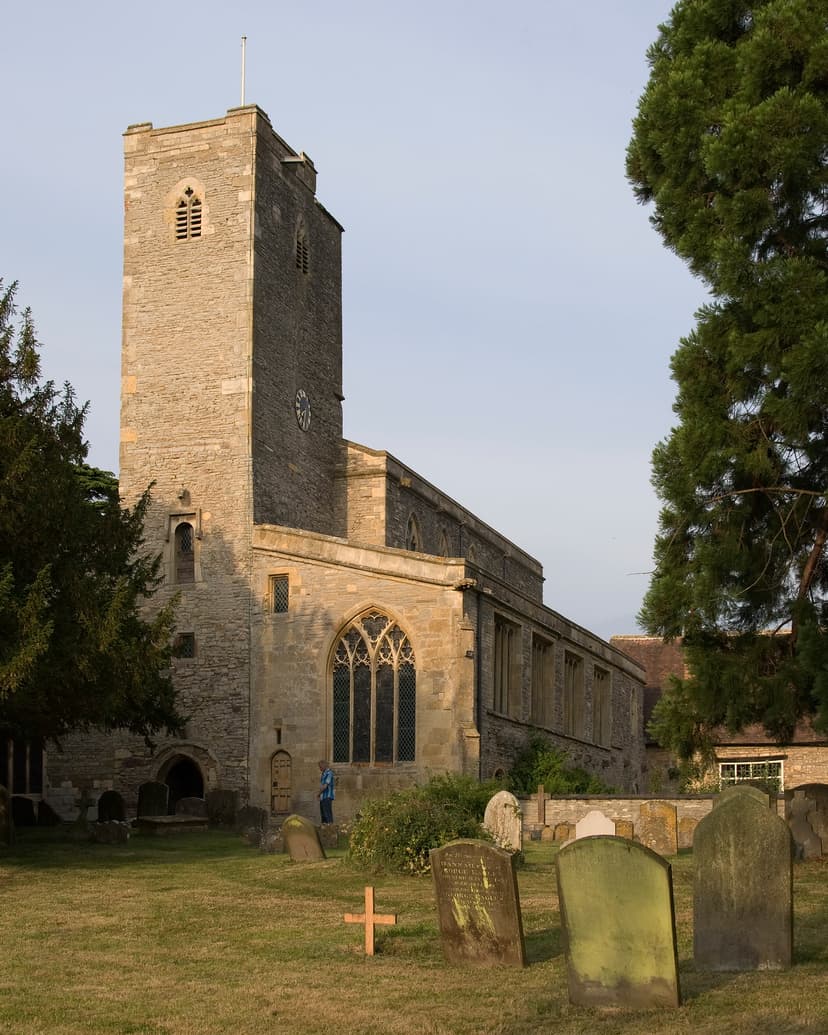
Newent Priory
Newent Priory was a monastic institution located in Gloucestershire, England. As an alien priory, its history and administration were closely tied to its parent house in Normandy. While specific details about its daily operations and architectural features are limited in surviving records, its existence reflects the broader Norman monastic influence in England.
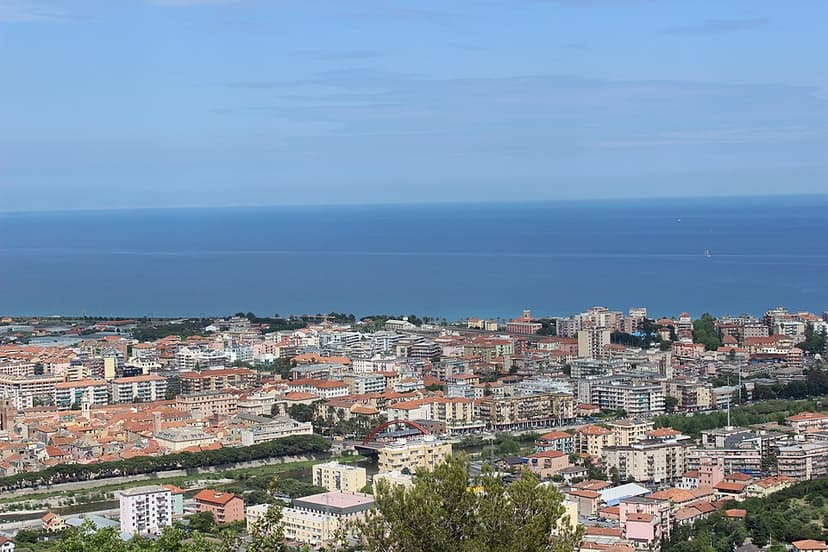
Albenga
Albenga is a historic city on the Italian Riviera, known for its "city of a hundred spires" nickname. Its economy thrives on tourism, local commerce, and agriculture. Founded around the 4th century BC by the Ligurian tribe Ingauni, Albenga boasts a rich history marked by Romanization, medieval self-governance, and periods of prosperity and decline, with its strategic location on the Centa River influencing its development and economy.
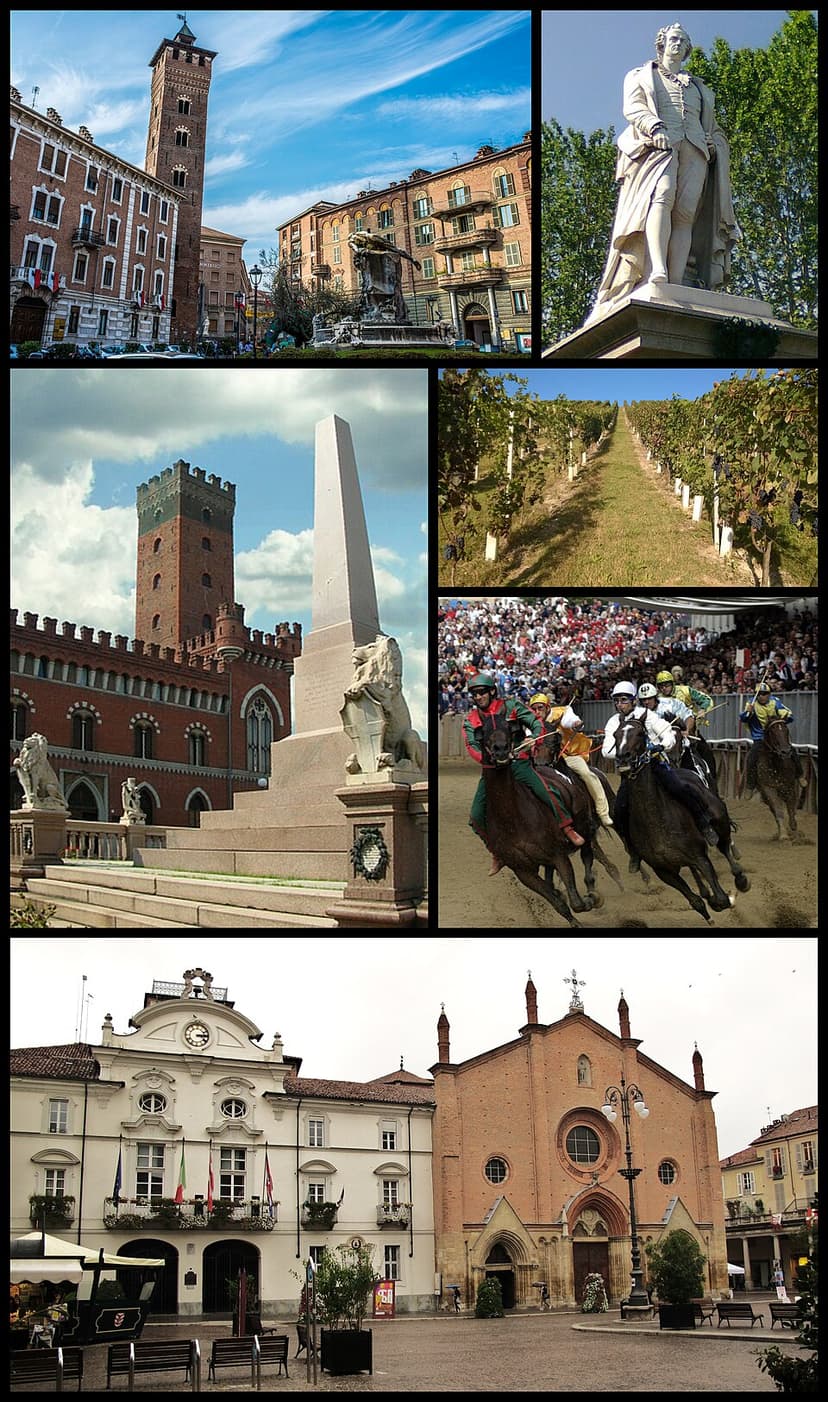
Asti
Asti is a historic comune in the Piedmont region of Italy, with a history stretching back to the Neolithic period. It rose to prominence as a Roman city named Hasta, strategically located on trade routes. Throughout the Middle Ages, Asti evolved into a powerful free commune, known for its economic and cultural splendor, and as a central hub for trade. The city has experienced periods of significant conflict and rule by various powers, including the Lombards, Franks, French, and Savoyards, before becoming part of unified Italy.