
Cardiff Blackfriars
Wales·Active public park
Bute Park and Arboretum is a significant public green space in Cardiff, Wales, encompassing 130 acres of landscaped gardens and parkland that were once the grounds of Cardiff Castle. Originally landscaped in the late 18th century, the park was further developed from 1873 and was gifted to the city in 1947. It is now maintained by Cardiff Council and features a diverse combination of arboretum, flower gardens, recreation grounds, and historic structures, including the remains of a medieval friary.
Key Facts
- ›Covers 130 acres (53 ha) of landscaped gardens and parkland.
- ›Once formed the grounds of Cardiff Castle.
- ›Developed from 1873 by Andrew Pettigrew, head gardener to the 3rd Marquess of Bute.
- ›Presented to Cardiff County Borough Council in 1947.
- ›Features include an arboretum, flower gardens, woodland, and tree-lined avenues.
- ›Designated Grade I on the Cadw/ICOMOS Register of Parks and Gardens of Special Historic Interest in Wales.

Victorian
Arboretum, Flower Gardens, Woodland and Tree-Lined Avenues, Sculptures, Ironwork Sundial, Dock Feeder Canal, Blackfriars Friary Remains, Animal Wall, Pettigrew Tea Rooms, Bute Park Arboretum, Education Centre
Parc A Gardd Goed Bute
Capability Brown, Andrew Pettigrew, 3rd Marquess of Bute, 5th Marquess of Bute, William Burges
- Castle Green Landscaped In the Late Eighteenth Century.
- Park Laid Out From 1873.
- Park Presented To Cardiff County Borough Council In 1947.
- Bute Park Restoration Project .
- Annual Guy Fawkes Night Firework Display Hosted Between 1981 and 2019.
- Concerts Hosted In Cooper's Field Part of the Park.
About Cardiff Blackfriars
Bute Park and Arboretum
Bute Park and Arboretum, known in Welsh as Parc a Gardd Goed Bute, is a prominent public park located in Cardiff, Wales. It spans 130 acres and comprises meticulously landscaped gardens and parkland that were formerly the private grounds of Cardiff Castle. The park's origins trace back to the late eighteenth century when Capability Brown undertook landscaping of the Castle Green. Significant development occurred from 1873 under the direction of Andrew Pettigrew, the head gardener to the 3rd Marquess of Bute, after whom the park is named.
In 1947, the 5th Marquess of Bute gifted the park to the Cardiff County Borough Council, and it continues to be managed by Cardiff Council in trust for the citizens of Cardiff, with support from volunteers and community groups. The park's layout offers a rich combination of arboretum features, vibrant flower gardens, and extensive recreation grounds, interspersed with woodland and tree-lined avenues. Its historical significance is recognized by its designation as Grade I on the Cadw/ICOMOS Register of Parks and Gardens of Special Historic Interest in Wales.
Historical Development and Features
The park's evolution includes the incorporation of a dock feeder canal, which originated as a medieval millstream supplying the Lord's Mill below Cardiff Castle. This waterway was later reformed to serve the development of Cardiff Docks in the 19th century. Within the park, visitors can find various artistic and historical elements, including wood carvings from tree stumps and a formal garden honoring Stuttgart, Cardiff's twin town. The park has also been a venue for significant public events, such as the annual 'Sparks in the Park' firework display and concerts held in Cooper's Field.
Restoration Project and Modern Amenities
A major restoration project, undertaken from 2007, revitalized historic features and introduced new facilities. This included the conservation of the medieval Blackfriars Friary remains, the cleaning and restoration of the Animal Wall designed by William Burges, and the refurbishment of the West Lodge into the Pettigrew Tea Rooms. The project also focused on enhancing the Arboretum and reintroducing water to the old castle moat, thereby restoring historical views and enhancing the park's character. An Education Centre was also established to support the park's public education program. The park is actively maintained by a dedicated team of Park Rangers and gardeners, supported by volunteers.
Source: Wikipedia ↗
Frequently Asked Questions
What is Bute Park and Arboretum?
Bute Park and Arboretum is a large public park in Cardiff, Wales, featuring 130 acres of landscaped gardens and parkland. It was formerly the grounds of Cardiff Castle and is now managed by Cardiff Council.
When was Bute Park developed?
The Castle Green within the park was landscaped in the late eighteenth century by Capability Brown. The park itself was laid out from 1873 onwards by Andrew Pettigrew.
What historical elements are present in Bute Park?
The park contains the remains of a medieval Blackfriars Friary, which have been conserved and interpreted. It also features a historic dock feeder canal, originally a medieval millstream.
What notable restoration work has been done in Bute Park?
A significant restoration project from 2007 to 2019 involved conserving medieval friary remains, cleaning and conserving the Animal Wall designed by William Burges, restoring the West Lodge (now Pettigrew Tea Rooms), and reintroducing water to the old castle moat.
Is Bute Park open to the public?
Yes, Bute Park is a public park maintained by Cardiff Council and held in trust for the citizens of Cardiff, indicating it is accessible to the public.
Related Monasteries

Aberconwy Abbey
Aberconwy Abbey was a significant Cistercian monastery, initially founded near Caernarfon in 1186 before moving to Conwy. It rose to prominence as the most important abbey in North Wales during the 13th century, largely due to the patronage of Llywelyn the Great, who was buried there. The abbey was later forcibly relocated by King Edward I to Maenan to make way for Conwy Castle and was eventually suppressed in 1537.
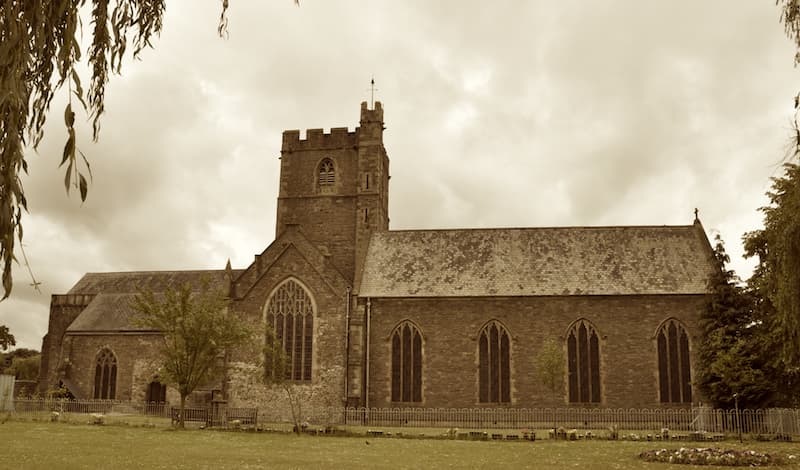
Abergavenny Priory
The Priory Church of St Mary, Abergavenny, is a significant parish church in Monmouthshire, Wales, often referred to as "the Westminster Abbey of Wales" due to its size and collection of high-status tombs. Originally established as a Benedictine priory in the late 11th century, it became a parish church after the Dissolution of the Monasteries. The church is renowned for its numerous medieval effigies and notable architectural features, including 15th-century choir stalls and a unique 15th-century wooden carving known as "The Jesse."

Bangor Monastery
Bangor Cathedral, dedicated to its founder Saint Deiniol, stands on a site of Christian worship since the sixth century. Originally established as St Deiniol's Monastery, it has a long and tumultuous history marked by destruction and rebuilding, evolving from its Norman origins to its current Gothic Revival appearance. The cathedral is a significant religious and historical landmark in Gwynedd, Wales, known for its architectural evolution and notable features.