
Biddlesden Abbey
Christian·United Kingdom·Ruins (site later developed)·12th century
Biddlesden Abbey was a Cistercian monastery founded in 1147. Initially facing legal challenges over land ownership, it experienced periods of internal strife and disputes over tithes. Despite not being a wealthy institution, it narrowly avoided early dissolution by petitioning for its continuation, only to be finally surrendered in 1538. The abbey's buildings were later converted into a house and eventually demolished and replaced by a new estate, Biddlesden Park.
Key Facts
- ›Founded in 1147 by Ernald de Bosco.
- ›Monks originally came from Garendon Abbey.
- ›Faced lengthy litigation over land ownership.
- ›Avoided early dissolution in 1536 by paying for its continuation.
- ›Finally surrendered in 1538 and its site became private property.
- ›Later site developed into Biddlesden Park, a Grade II listed building.

- Site of Biddlesden Park, A Grade Ii Listed Building
Ernald De Bosco, William Wibert, Thomas Wriothesley, Robert Peckham
- Litigation Over Land Ownership
- Deposition of Abbot William Wibert
- Dispute With Wappenham Parish Over Tithes
- Petition For Continuation To Avoid Early Dissolution
- Surrender of the Abbey
About Biddlesden Abbey
Biddlesden Abbey was a Cistercian monastery established in 1147 by Ernald de Bosco, who served as steward to the Earl of Leicester. The initial establishment of the abbey was marked by significant legal challenges, as Ernald de Bosco's claim to the land was disputed, leading to prolonged litigation before the monks could fully occupy the site. The early history of the abbey also included internal issues, such as the deposition of Abbot William Wibert in 1198 due to accusations of fraud, gross immorality, and bribery.
Throughout the 14th and 15th centuries, the abbey was involved in a protracted dispute with the neighboring parish of Wappenham concerning the collection of tithes. Historically, Biddlesden Abbey was not considered a wealthy institution. It faced the prospect of dissolution in 1536, but the monks successfully petitioned for its continuation, albeit with a payment. The abbey's existence ultimately concluded when it was finally surrendered in September 1538 and subsequently became the property of Thomas Wriothesley, Earl of Southampton.
Following its dissolution, the abbey underwent transformations. Sir Robert Peckham purchased the site in 1538 and repurposed part of the monastic buildings into a private residence. In the 1730s, the remaining ruins were demolished, and a new house, Biddlesden Park, was constructed on the grounds. This later structure is now recognized as a Grade II listed building, though only a few scattered stones from the original abbey are said to remain, none in their original context.
Source: Wikipedia ↗
Frequently Asked Questions
When was Biddlesden Abbey founded?
Biddlesden Abbey was founded in 1147. It was established by Ernald de Bosco, who served as steward to the Earl of Leicester.
What religious order was Biddlesden Abbey part of?
Biddlesden Abbey belonged to the Cistercian order. The first monks to inhabit the abbey came from Garendon Abbey, which was also a Cistercian foundation.
Did Biddlesden Abbey face any significant challenges?
Yes, the abbey faced significant challenges. Ernald de Bosco's claim to the land was disputed, leading to lengthy litigation. Additionally, the abbey experienced internal issues, such as the deposition of Abbot William Wibert in 1198 for fraud and immorality.
Was Biddlesden Abbey a wealthy institution?
Historical records suggest Biddlesden Abbey was not a wealthy house. Its income was recorded at £125 during the Valor Ecclesiasticus survey in 1535, and it housed eleven monks at that time.
When was Biddlesden Abbey dissolved?
Biddlesden Abbey was finally surrendered in September 1538. It avoided dissolution in 1536 after the monks petitioned and paid for its continuation, but was ultimately dissolved a few years later.
What remains of Biddlesden Abbey today?
The original abbey buildings were converted into a house and later demolished in the 1730s to make way for Biddlesden Park. While a few stones from the abbey are said to remain, they are not in their original location.
Related Monasteries

Bentley Priory
Bentley Priory began as a medieval priory for Augustinian Canons in Middlesex, though no remnants of the original structure survive. The current stately home, designed by Sir John Soane, was built in the late 18th century and expanded over the following decades. It later served as the final residence for Queen Adelaide, a hotel, and a girls' school before becoming the crucial headquarters for RAF Fighter Command during World War II. Today, parts of the building house a museum dedicated to its wartime role, while the grounds function as a nature reserve.
Bruern Abbey
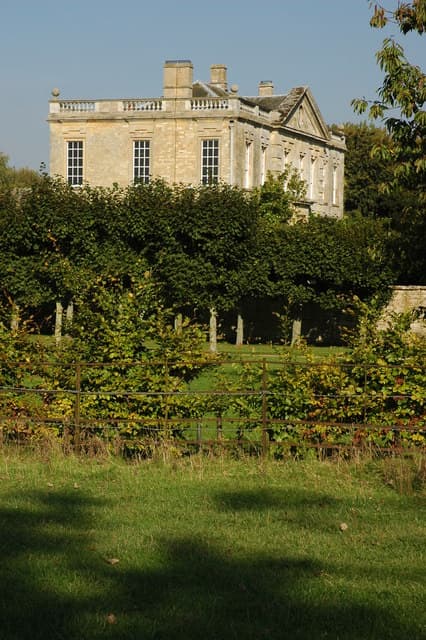
Bruern Abbey was founded in 1147 as a Cistercian monastery, facing financial difficulties throughout its history and notable for a scandal involving the purchase of the abbacy. Dissolved in 1536, its site later saw the construction of a Baroque country house. While no longer an active monastic community, remnants of the original abbey may exist within the grounds of the later estate.
Croxden Abbey
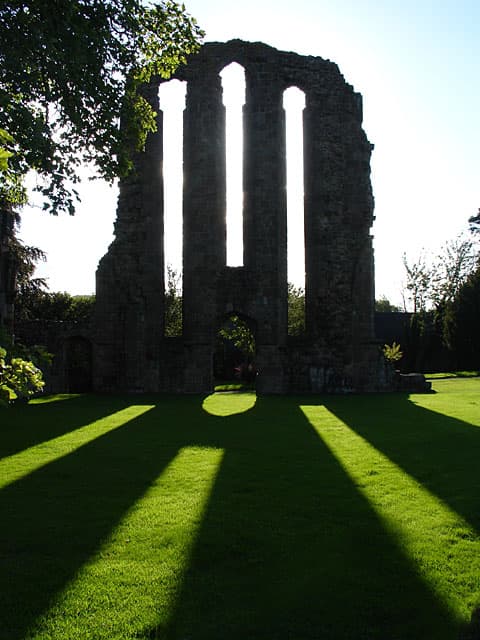
Croxden Abbey was a Cistercian monastery located in Staffordshire, United Kingdom, founded in the 12th century by Bertram III de Verdun. It was a daughter house of the abbey in Aunay-sur-Odon, Normandy, and initially prospered through sheep farming, becoming a significant wool supplier. The abbey faced decline due to financial strains and disputes, eventually being dissolved in 1538 under the Suppression of Religious Houses Act.