
Bazjaš Monastery
Bazjaš Monastery is a Serbian Orthodox monastery situated in the village of Baziaș, Caraș-Severin County, Romania. Founded in 1225, it is located in the Clisura Dunării region. The monastery is a significant historical and religious site for the Serbian community in Romania.
Key Facts
- ›Established in 1225.
- ›Serbian Orthodox religious tradition.
- ›Located in Baziaș village, Socol Commune, Caraș-Severin County, Romania.
- ›Situated in the Clisura Dunării region.
- ›Historical religious site for Serbs in Romania.

Baziaș Monastery, манастир базјаш, MăNăStirea Baziaș
About Bazjaš Monastery
Bazjaš Monastery, also known as Baziaș Monastery, is a historical Serbian Orthodox religious site located in the village of Baziaș, within the Socol Commune of Caraș-Severin County, Romania. Its establishment dates back to 1225, making it a significant medieval foundation.
Location and Context
The monastery is situated in the Clisura Dunării region, an area known for its historical and cultural importance. As a Serbian Orthodox institution, Bazjaš Monastery has served as a spiritual center for the Serbian community in this part of Romania.
Historical Significance
Founded in the 13th century, Bazjaš Monastery represents a tangible link to the historical presence of Serbs in the region. Its continued operation signifies its enduring role in the religious life of the local Serbian population.
Source: Wikipedia ↗
Frequently Asked Questions
When was Bazjaš Monastery founded?
Bazjaš Monastery was established in 1225. This date marks its foundation as a religious institution.
What is the religious affiliation of Bazjaš Monastery?
Bazjaš Monastery belongs to the Serbian Orthodox tradition. It is a significant site within this religious denomination.
Where is Bazjaš Monastery located?
The monastery is situated in Baziaș village, within the Socol Commune of Caraș-Severin County in Romania. It lies in the Clisura Dunării region.
Related Monasteries
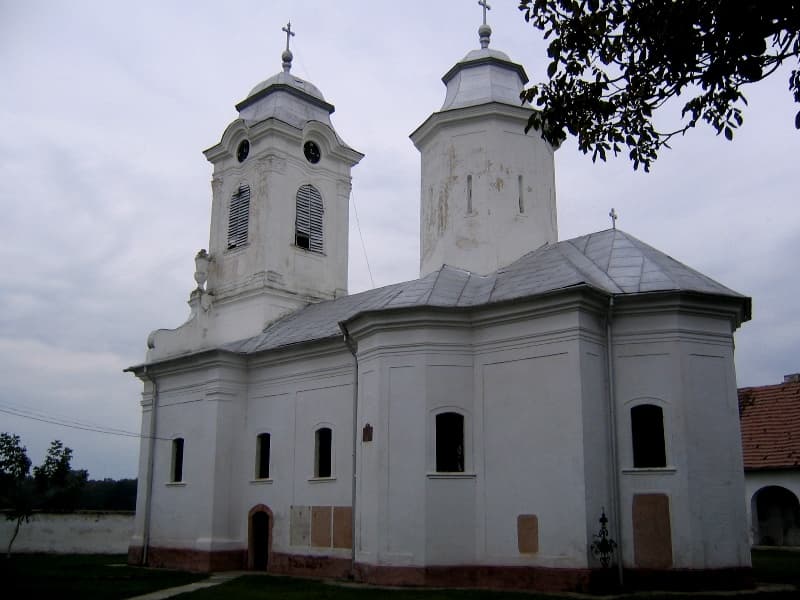
Bezdin Monastery
Bezdin Monastery is a Serbian Orthodox monastery established in 1539 near Secusigiu, Romania, dedicated to the Assumption of the Theotokos. Despite being burned by the Turks, the monks rebuilt it, preserving their faith and community cohesion. The monastery boasts significant artistic contributions, including iconostasis paintings by renowned artists and a substantial library.
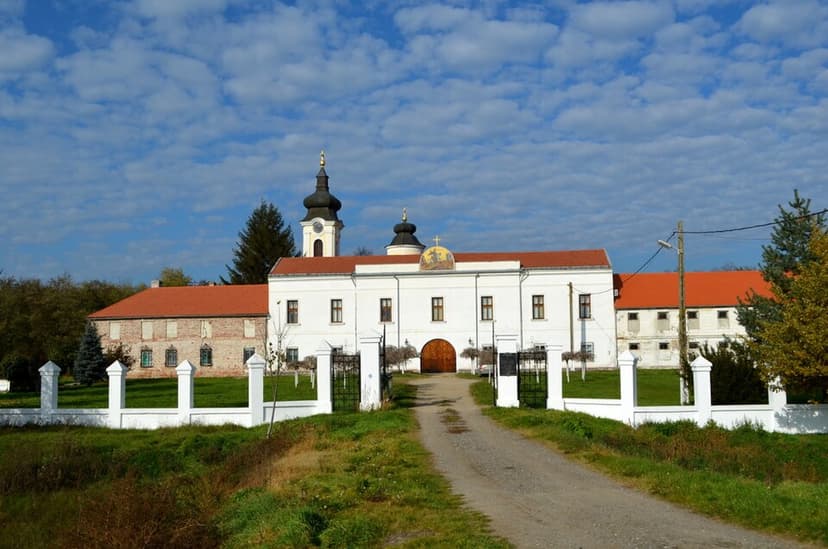
Sveti Đurađ Monastery
Sveti Đurađ Monastery, also known as Saint George Monastery, is a medieval Serbian Orthodox monastery located in Romania. Originally established in 1485 by Jovan Branković, the present buildings were constructed in 1794. The monastery houses significant relics, including a fragment of Saint George's skull, and its architecture blends Serbo-Byzantine foundations with Baroque elements.

Cârța Monastery
Cârța Monastery was a significant Cistercian abbey founded between 1202 and 1209 in the Țara Făgărașului region of Transylvania, Romania. It played a crucial role in introducing French Gothic art to the area and held considerable landholdings, founding several villages populated by German colonists. Though disbanded in 1494, its surviving structures are now part of an Evangelical Lutheran church serving the local Saxon community.