
Applecross Monastery
Celtic Christian·Scotland·Ruins (original monastic site)·7th century
Applecross Monastery was founded in the 7th century by Saint Máel Ruba, a significant figure in the early Celtic Church. Located on the remote Applecross peninsula in Wester Ross, Scotland, the monastery was once a center of religious life and known as 'The Sanctuary' (A' Chomraich). While only a sculptured stone and carved fragments remain as archaeological evidence of the early monastic site, the area retains its historical and spiritual significance. The lands were secularized in the late 16th century and have since been owned by various estates and trusts, with the Applecross Trust currently managing the peninsula.
Key Facts
- ›Founded in 672 AD by Saint Máel Ruba.
- ›Located on the remote Applecross peninsula in Wester Ross, Scottish Highlands.
- ›The area was historically known as 'the Sanctuary' (a' Chomraich).
- ›Evidence of the early monastery includes a large cross-slab and carved stone fragments.
- ›The lands were secularized during the Scottish Reformation.
- ›Modern-day ownership of the peninsula is managed by the Applecross Trust.

Sculptured Stone Cross-Slab, Carved Stone Fragments, the Historical Area Known As 'the Sanctuary'
Aporcrosan, Combrich
Saint MáEl Ruba
- Founding of the Monastery In 672 Ad
- Secularization of Lands During the Scottish Reformation
About Applecross Monastery
Applecross Monastery, historically known as Aporcrosan, was a significant religious foundation established in the 7th century on the remote Applecross peninsula in Wester Ross, Scotland. Its founding in 672 AD is attributed to Saint Máel Ruba, a prominent figure of the early Celtic Church who arrived in Scotland from Bangor Abbey in Ireland. Saint Máel Ruba served as the monastery's first abbot and died in his eightieth year on April 21, 722. The surrounding district gained the Gaelic name A’ Chomraich, meaning 'the sanctuary', a testament to the monastery's historical importance.
History and Legacy
Little remains of the physical structure of the original monastery, with only archaeological evidence such as a large, unfinished cross-slab in the churchyard and three finely carved fragments preserved within the later parish church bearing witness to its past. The deaths of several of Máel Ruba's successors as abbot are recorded in the Irish Annals, indicating the monastery's continued influence into the early ninth century. During the Scottish Reformation in the latter half of the 16th century, the lands of Applecross were secularised and granted to Clan Mackenzie.
Modern Context
The Applecross peninsula itself is a mountainous and sparsely populated area, known for its dramatic landscapes and the challenging Bealach na Bà road. The historical monastic site is now part of a region managed by the Applecross Trust, a registered Scottish charity dedicated to preserving the peninsula's unique character and wilderness heritage. While the monastic community is no longer extant, the historical and spiritual resonance of Applecross endures.
Source: Wikipedia ↗
Frequently Asked Questions
When was Applecross Monastery founded?
Applecross Monastery was founded in 672 AD by Saint Máel Ruba. He established the monastery in what was then Pictish territory.
What remains of the original Applecross Monastery today?
Only archaeological remnants of the early monastery survive, including a large, unfinished cross-slab in the churchyard and three finely carved fragments preserved within the later parish church. These stones are evidence of the early monastic site.
What does the name 'Applecross' refer to?
The name 'Applecross' is an anglicisation of the Pictish name Aporcrosan, meaning 'confluence of the [river] Crossan'. Historically, the Gaelic name for the surrounding area is A’ Chomraich, meaning 'the sanctuary'.
Who founded Applecross Monastery?
Applecross Monastery was founded by Saint Máel Ruba, who came to Scotland from Bangor Abbey in Ireland in 671 AD. He served as the monastery's first abbot.
What is the current status of the Applecross peninsula?
The Applecross peninsula is a sparsely populated area known for its mountainous terrain and scenic beauty. The lands were secularised in the 16th century and are now managed by the Applecross Trust, which aims to preserve its character and natural beauty.
Related Monasteries
Inchmarnock Monastery
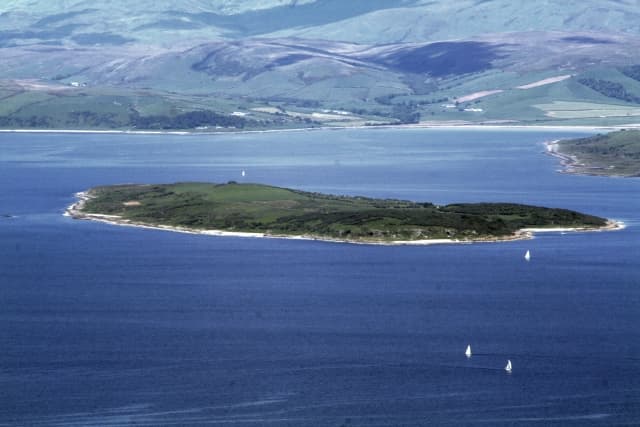
Inchmarnock Monastery was established on the island of Inchmarnock in the 7th century by a holy man named Marnock. Archaeological investigations, particularly the Inchmarnock Project, have uncovered evidence of an 8th or 9th-century monastic enclosure with workshops and a significant collection of inscribed slates, offering insights into the lives and skills of early medieval monks. The island, now privately owned and operated as an organic farm, is located in the Sound of Bute off the west coast of Scotland.

Fleury Abbey
Fleury Abbey, located in Saint-Benoît-sur-Loire, France, is a historically significant Benedictine monastery founded around 640 AD. It is renowned for housing the relics of Saint Benedict of Nursia, a claim that is disputed by the monks of Monte Cassino. The abbey played a vital role in Western European monasticism, boasting a renowned library and attracting scholars during its medieval heyday.

Lmbatavank
Lmbatavank, formally the Saint Stephen Church of Lmbat Monastery, is a 7th-century Armenian church situated on a hillside southwest of Artik in the Shirak Province. It is characterized by its cruciform centralized plan and octagonal drum topped by a dome. The church is notable for its 7th-century frescoes within the apse and decorative shield-type patterns on its exterior.