
Al-Sultan Coptic Orthodox Monastery
Oriental Orthodox·Israel·Disputed
Al-Sultan Coptic Orthodox Monastery, also known as Deir es-Sultan, is an Oriental Orthodox monastery situated on the roof of the Chapel of Saint Helena within the Church of the Holy Sepulchre complex in Jerusalem's Old City. Its ownership is a long-standing dispute between the Coptic Orthodox Church and the Ethiopian Orthodox Tewahedo Church, with historical claims dating back to the Umayyad Caliphate and subsequent confirmations by Saladin. The monastery occupies a significant area and has been the site of numerous historical events and ongoing tensions between the two denominations.
Key Facts
- ›Located on the roof of the Chapel of Saint Helena, part of the Church of the Holy Sepulchre.
- ›Ownership is disputed between the Coptic Orthodox Church and the Ethiopian Orthodox Tewahedo Church.
- ›Covers an area of 1,800 square meters.
- ›Historical claims to the site date back to the Umayyad Caliphate.
- ›Has been the scene of several clashes and protests related to its ownership and use.

- Located On the Roof of the Chapel of Saint Helena
- 1,800 Square Meters In Area
Deir Es-Sultan, Deir Al-Sultan, Monastery of the Sultan, Deir El-Malak
Abd Al-Malik Ibn Marwan, Saladin, ṣäGga KrәStos, AbdüLhamid Ii
- Granting of the Site To the Copts By Umayyad Caliph Abd Al-Malik Ibn Marwan .
- Confirmation of the Site To the Copts By Saladin After Confiscation By Crusaders.
- Hosting of Ethiopian Monks By the Copts In 1654.
- Hosting of Pretender ṣäGga KrәStos In the Early 17th Century.
- Ottoman Sultan AbdüLhamid Ii Granting Ethiopians the Right To Set Up A Tent For Easter Celebrations.
- Israeli Government Intervention To Change Locks In 1970.
- Israeli Supreme Court Ruling In Favor of the Copts In 1971.
- Arrest of A Coptic Priest In 2018.
- Clashes Between Egyptian and Ethiopian Monks In 2021 and 2022.
About Al-Sultan Coptic Orthodox Monastery
Al-Sultan Coptic Orthodox Monastery, known in Arabic as Deir es-Sultan, translates to the "Monastery of the Sultan." This Oriental Orthodox monastery holds a unique and contentious position, situated not within its own grounds but directly on the roof of the Chapel of Saint Helena, an underground structure that forms part of the larger Church of the Holy Sepulchre complex in Jerusalem's Old City. The monastery itself covers an area of 1,800 square meters and features an entrance that leads down to the Parvis, the church's courtyard.
Historical Claims and Disputes
The history of Deir es-Sultan is marked by significant ownership disputes primarily between two denominations within the Oriental Orthodox communion: the Coptic Orthodox Church of Alexandria and the Ethiopian Orthodox Tewahedo Church. The Coptic Church asserts that the site was originally granted to them by the Umayyad caliph Abd al-Malik ibn Marwan, who named it "Deir el-Malak" (Angel Monastery). This grant was reportedly later confirmed by Saladin after the Crusaders had confiscated it, and it was then renamed "Deir es-Sultan." A pivotal moment in the monastery's history occurred in 1654 when Ethiopian monks were hosted by the Copts, as their own churches in Jerusalem had been acquired by the Greek and Armenian Churches due to an inability to pay taxes.
Contested Territory and Modern Tensions
The Status Quo, an ancient understanding governing the rights and practices of various religious communities in the Holy Land, applies to this site. The ongoing ownership dispute has led to numerous interventions and tensions throughout history. In the early 17th century, a pretender to the Ethiopian throne, Ṣägga Krәstos, was hosted at the Ethiopian monastery on Dayr as-Sultan. Later, during the Ottoman era, Sultan Abdülhamid II granted the Ethiopians permission to erect a large tent on the roof of the Holy Sepulchre for Easter celebrations.
In more recent times, the Israeli government has become involved in the dispute. During the Easter Vigil on April 25, 1970, Israeli military forces were deployed to change the monastery's locks, ostensibly to facilitate Ethiopian monks' control. However, on March 16, 1971, the Israeli Supreme Court unanimously ruled for the restoration of the monastery to the Copts, a decision the government reportedly did not implement. This unresolved status continues to fuel friction. In October 2018, a Coptic priest was arrested following protests against restoration efforts undertaken without the Coptic Church's consent. More recently, in April 2021 and again in April 2022, "light clashes" have erupted between Egyptian and Ethiopian monks, with incidents involving the erection of tents and the raising of national flags inside the monastery. These events have led to symbolic counter-actions, such as Coptic monks painting the flag of Egypt on the main door leading to the monastery.
Source: Wikipedia ↗
Frequently Asked Questions
Where is Al-Sultan Coptic Orthodox Monastery located?
Al-Sultan Coptic Orthodox Monastery is located on the roof of the Chapel of Saint Helena, which is part of the Church of the Holy Sepulchre in Jerusalem's Old City. It has an entrance leading to the church courtyard.
Who claims ownership of Al-Sultan Monastery?
Ownership of the Al-Sultan Monastery is disputed between two churches of the Oriental Orthodox communion: the Coptic Orthodox Church and the Ethiopian Orthodox Tewahedo Church. This dispute has a long historical basis.
What is the historical significance of Al-Sultan Monastery?
Historically, the Coptic Church claims the site was granted by the Umayyad caliph Abd al-Malik ibn Marwan and later confirmed by Saladin. Ethiopian monks were hosted here in 1654 when their own churches were acquired by other denominations due to tax issues.
Has the Israeli government been involved in the monastery's ownership dispute?
Yes, the Israeli government intervened in 1970 by changing locks to favor Ethiopian monks, and later the Israeli Supreme Court ruled in favor of the Copts in 1971, though this ruling was not implemented. Government actions have continued to be a factor in the ongoing dispute.
What recent incidents have occurred at Al-Sultan Monastery?
Recent incidents include the arrest of a Coptic priest in 2018 over restoration efforts without Coptic consent. In 2021 and 2022, clashes erupted between Egyptian and Ethiopian monks, leading to symbolic actions like raising flags and painting national flags on entrances.
Related Monasteries
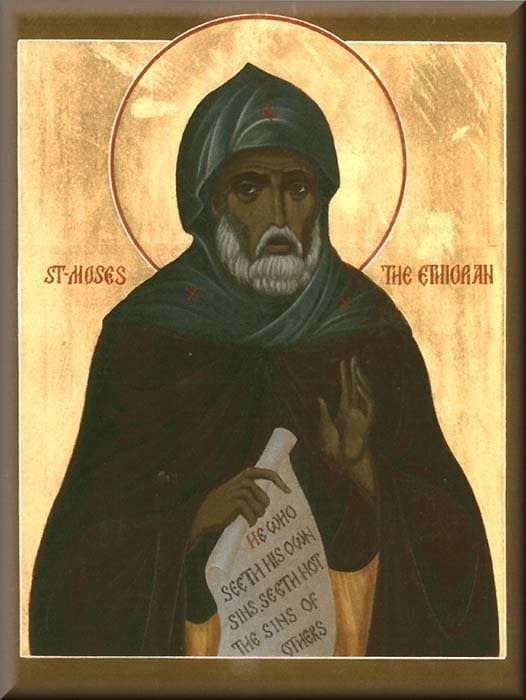
St. Moses the Black
St. Moses the Black was a Nubian ascetic hieromonk and Desert Father in 4th-century Egypt who famously converted from a life of crime to extreme asceticism. He is highly venerated in the Eastern Orthodox and Oriental Orthodox Churches for his dramatic transformation and teachings on non-violence and humility. His life story, documented in historical accounts like Sozomen's Ecclesiastical History, highlights his journey from a feared robber leader to a respected spiritual figure and martyr.

Israel
Israel is a country located in the Southern Levant region of West Asia, with a rich and complex history shaped by ancient kingdoms, empires, and modern political movements. Its territory has been a crossroads for various cultures and religions, leading to significant historical events and ongoing conflicts. The modern State of Israel was established in 1948, following the Zionist movement and the end of the British Mandate, and is characterized by its technologically advanced economy, unique cultural blend, and a revived Hebrew language.
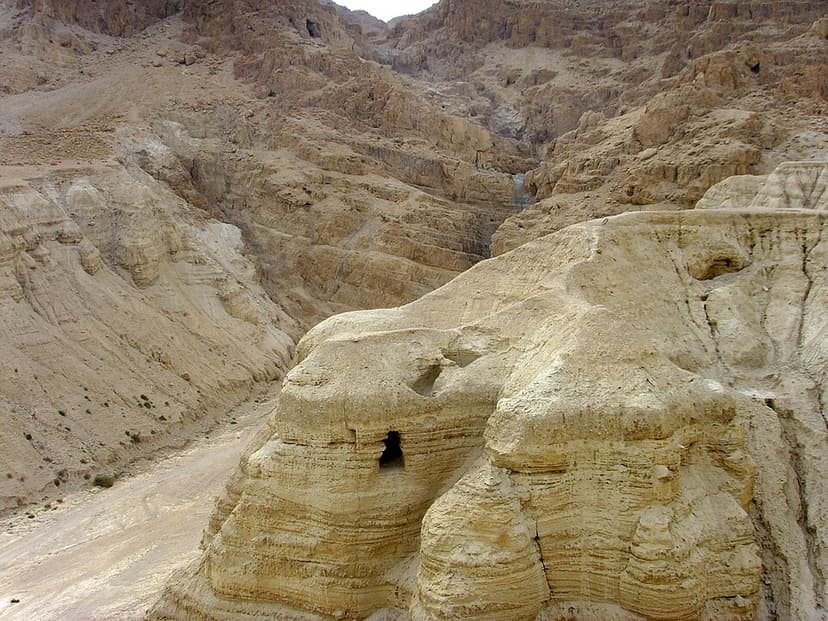
Qumran Caves
The Qumran Caves are a series of natural and artificial caves located near the archaeological site of Qumran in the Judaean Desert. These caves gained immense historical significance as the location where the Dead Sea Scrolls were discovered, beginning in late 1946 or early 1947. The artificial caves, hewn into marl bluffs, date back to the late Second Temple period and were functionally linked to the Qumran settlement.