
Aix-en-Provence
Aix-en-Provence, historically known as Aquae Sextiae, is a city in southern France with a rich past dating back to Roman times. Founded by Sextius Calvinus in 123 BC, it later served as the capital of Provence and a significant seat of learning and art. Today, it is a vibrant cultural center, renowned for its historic architecture, numerous fountains, and its association with the artist Paul Cézanne.
Key Facts
- ›Founded by Roman consul Sextius Calvinus in 123 BC.
- ›Served as the capital of Provence during the Middle Ages.
- ›Became an artistic and learning center after the 12th century.
- ›Known for its numerous fountains, earning it the nickname 'city of a thousand fountains'.
- ›Birthplace of Post-Impressionist painter Paul Cézanne.
- ›Hosts the prestigious Festival D'Aix-en-Provence, an international opera festival.

Gothic, Romanesque, Classical
Cours Mirabeau, Aix Cathedral, Numerous Fountains, Montagne Sainte-Victoire, Thermal Springs, Quartier Mazarin, Atelier CéZanne, Jas De Bouffan, ChâTeau of Vauvenargues
Aix, Aquae Sextiae
Sextius Calvinus, Gaius Marius, King René, Michele Mazzarino, Paul CéZanne, éMile Zola, Ernest Hemingway, Victor Vasarely, Pablo Picasso
Battle of Aquae Sextiae, Establishment of the Parliament of Provence
About Aix-en-Provence
Aix-en-Provence, often known simply as Aix, is a historic city in southern France with roots stretching back to Roman times. Founded in 123 BC by the Roman consul Sextius Calvinus, it was named Aquae Sextiae after its thermal springs. The city played a significant role throughout history, becoming a former capital of Provence and a distinguished center for art and learning, particularly after the 12th century.
History and Development
The strategic location of Aix-en-Provence led to its involvement in key historical events, including the Roman victory over the Teutones and Ambrones near its vicinity in 102 BC. It served as the metropolis of Narbonensis Secunda in the 4th century AD and experienced periods of occupation and plundering by various tribes. After passing to the French crown in 1487, it became the seat of the parliament of Provence, solidifying its administrative importance.
Architectural and Cultural Significance
Aix-en-Provence is celebrated for its rich architectural heritage and vibrant cultural scene. The city is famously dubbed the "city of a thousand fountains," with numerous ornate fountains adorning its streets and squares, including those along the grand Cours Mirabeau. The Aix Cathedral, a blend of architectural styles, stands as a testament to its long religious history. The city is also the birthplace of the Post-Impressionist painter Paul Cézanne, and sites related to his life and work, such as his former studio, are preserved.
Modern Aix-en-Provence
Today, Aix-en-Provence continues to be a major educational and cultural hub. It hosts the internationally renowned Festival d'Aix-en-Provence, an opera festival that attracts artists and audiences from around the globe. The city's economy is supported by tourism, entertainment, education, and the production of local specialties like olive oil and calissons. Its Mediterranean climate, with abundant sunshine and mild temperatures, further contributes to its appeal as a destination for both residents and visitors.
Source: Wikipedia ↗
Frequently Asked Questions
When was Aix-en-Provence founded?
Aix-en-Provence was founded in 123 BC by the Roman consul Sextius Calvinus. He named the springs after himself, leading to its Latin name, Aquae Sextiae.
What is Aix-en-Provence most famous for?
The city is renowned for its historical significance as a former capital of Provence, its elegant architecture, and its abundance of fountains. It is also famously associated with the artist Paul Cézanne and hosts a major opera festival.
What is the architectural style of Aix Cathedral?
Aix Cathedral, built on the site of a Roman forum and basilica, showcases a mix of styles from the 5th to the 17th century. It notably features a richly decorated Gothic portal with carved walnut doors and a Romanesque cloister.
Where is the Cours Mirabeau located and what can be found there?
The Cours Mirabeau is a wide, tree-lined boulevard that divides Aix-en-Provence into its old and new towns. It is bordered by fine houses and decorated with fountains, and features historic cafés like Les Deux Garçons.
What is the significance of Montagne Sainte-Victoire to Aix-en-Provence?
Montagne Sainte-Victoire is a landmark overlooking the city and was a frequent subject of painter Paul Cézanne's works. It is accessible from Aix and offers hiking trails and historical sites.
Related Monasteries

Toulouse
Toulouse, historically known as Tolosa, is a city in Southern France with a rich and layered history dating back to Roman times. It has served as the capital of the Visigothic Kingdom and the province of Languedoc, and is now the administrative capital of the Occitania region. The city is a significant European center for aerospace and is renowned for its vibrant student population and its unique pink terracotta architecture, earning it the nickname "La Ville rose". Toulouse also boasts multiple UNESCO World Heritage Sites, including the Canal du Midi and the Basilica of St. Sernin.

Orléans
Orléans is a historic city in north-central France, renowned for its strategic location on the Loire River and its pivotal role in French history, most notably during the Hundred Years' War with the intervention of Joan of Arc. The city has been a significant center for trade and culture since antiquity, boasting an ancient university and a rich architectural heritage. Though no longer a monastery itself, its historical significance and cultural depth make it a notable entity in the context of religious and secular history.
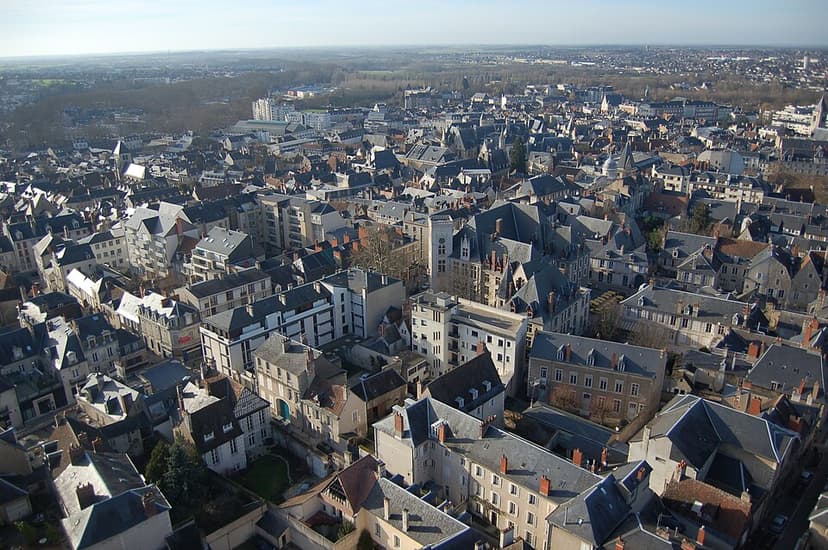
Bourges
Bourges is a historic commune in central France, serving as the capital of the Cher department and the former province of Berry. Its origins trace back to the Gallic confederacy, enduring sieges and reconstructions by Romans and Franks. Throughout the Middle Ages and Renaissance, it served as a significant administrative and cultural center, notably as a refuge for Charles VII and a hub for alchemy. Today, Bourges is recognized for its stunning Gothic cathedral, a UNESCO World Heritage site, and its rich architectural heritage.