
Al-Askari Shrine
The Al-Askari Shrine, also known as the 'Askariyya Shrine or Al-Askari Mosque, is a significant holy site in Shia Islam located in Samarra, Iraq. It houses the mausoleums of the tenth and eleventh Shia Imams, Ali al-Hadi and Hasan al-Askari, and is a place of pilgrimage for Shia Muslims. The shrine has undergone extensive rebuilding following devastating attacks in 2006 and 2007.
Key Facts
- ›Houses the tombs of the 10th and 11th Shia Imams, Ali al-Hadi and Hasan al-Askari.
- ›Also contains the tombs of Hakima Khatun and Narjis Khatun.
- ›A commemorative building nearby marks the spot where the Twelfth Imam, the Mahdi, entered the Minor Occultation.
- ›The golden dome was added in 1905 and measured approximately 20 meters in diameter and 68 meters high.
- ›The shrine was severely damaged by bombings in 2006 and 2007, with its golden dome and minarets destroyed.
- ›Reconstruction was completed, and the shrine reopened to visitors in 2009.

'Askariyya Shrine, Al-Askari Mosque
Holy Site In Shia Islam, Mausoleum of the 10th and 11th Shia Imams, Site of Pilgrimage For Shia Muslims
Gold, Tiles
Nasir Ad-Din Shah Qajar
About Al-Askari Shrine
The Al-Askari Shrine, also known as the 'Askariyya Shrine and the Al-Askari Mosque, is a paramount holy site within Shia Islam, situated in the city of Samarra, Iraq. It holds profound religious significance as the mausoleum of the tenth and eleventh Shia Imams, Ali al-Hadi and Hasan al-Askari, who are collectively known as the 'Askariyyayn. The shrine also serves as the resting place for other revered figures, including Hakima Khatun, sister of Imam Hadi, and Narjis Khatun, mother of the awaited Twelfth Imam, Mahdi.
Historical Context and Construction
Imam Ali al-Hadi and Imam Hasan al-Askari lived and died in Samarra during the Abbasid Caliphate, residing in a section of the city that was formerly Caliph al-Mu'tasim's military camp, 'Askar al-Mu‘tasim. Later traditions suggest their deaths were due to poisoning. The site of their burial in their house on Abī Ahmad Street became the foundation for the shrine. The most recent major remodelling was undertaken in 1868 by Nasir ad-Din Shah Qajar, culminating in the addition of the iconic golden dome in 1905. This dome, adorned with 72,000 gold pieces and surrounded by light blue tiles, was a distinctive feature of Samarra's skyline. Adjacent to the main shrine is another domed structure built over a cistern, significant as the place where the Twelfth Imam, Mahdi, is believed to have entered the Minor Occultation.
Attacks and Reconstruction
The Al-Askari Shrine has tragically been the target of significant attacks. On February 22, 2006, explosions orchestrated by insurgents destroyed the golden dome and caused severe damage to the shrine. A subsequent attack on June 13, 2007, resulted in the destruction of the two golden minarets flanking the former dome. These acts of violence deeply affected the Shia community and the city of Samarra. Following these devastating events, the Iraqi government initiated a rebuilding project. Despite initial contract issues, reconstruction efforts were successful, and the shrine, with its restored dome and minarets, was reopened to visitors in April 2009, symbolizing resilience and the enduring importance of the site.
Source: Wikipedia ↗
Frequently Asked Questions
Who is buried at the Al-Askari Shrine?
The Al-Askari Shrine is the mausoleum for the tenth and eleventh Shia Imams, Ali al-Hadi and Hasan al-Askari. It also contains the tombs of Hakima Khatun, sister of Imam Hadi, and Narjis Khatun, mother of Imam Mahdi.
What is the historical significance of the Al-Askari Shrine?
The shrine is a highly revered holy site in Shia Islam, considered one of the holiest sites after Najaf and Karbala. The Imams buried here lived under house arrest in Samarra, which was the Caliph al-Mu'tasim's military camp, hence their title 'Askari'.
What happened to the Al-Askari Shrine in 2006 and 2007?
In February 2006, explosions destroyed the shrine's golden dome and severely damaged the structure. In June 2007, two golden minarets flanking the dome were destroyed by further attacks.
When was the Al-Askari Shrine rebuilt and reopened?
Following the attacks, the Iraqi government initiated reconstruction efforts. The shrine was restored, with its golden dome and minarets rebuilt, and it reopened to visitors in April 2009.
What is the significance of the cistern near the shrine?
Adjacent to the mosque is a domed building constructed over a cistern. This is where the Twelfth Imam, the Mahdi, is believed to have first entered the Minor Occultation, leading to his title as the Hidden Imam.
Related Mausoleums
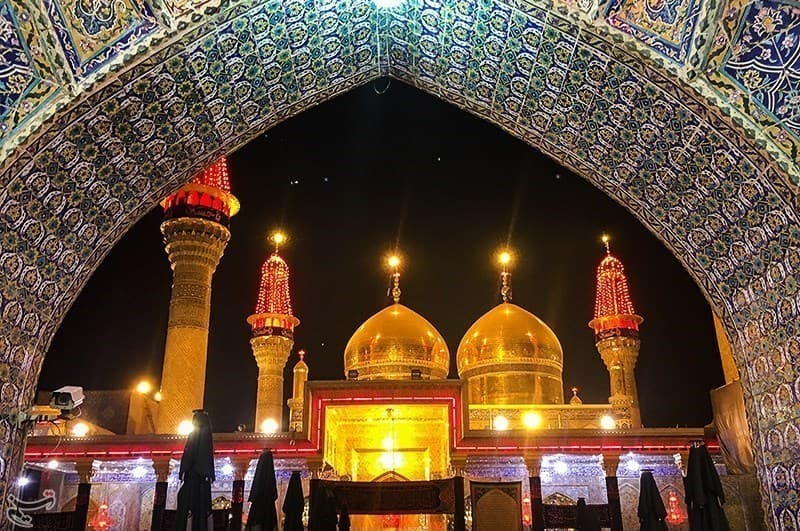
Al-Kadhimiya Mosque
The Al-Kadhimiya Mosque, also known as the Jawadayn Shrine, is a revered holy site in Shia Islam located in Baghdad, Iraq. It serves as the mausoleums for the seventh and ninth Shia Imams, Musa al-Kadhim and Muhammad al-Jawad, respectively, making it a significant pilgrimage destination.

Anıtkabir
Anıtkabir is the monumental mausoleum complex of Mustafa Kemal Atatürk, the founder and first President of the Republic of Turkey, located in Ankara. Completed in 1953, it serves as a national symbol and a site of remembrance, housing Atatürk's tomb and a museum dedicated to his life and the Turkish War of Independence. The complex also includes various monumental structures and a wooded area known as the Peace Park.

Artigas Mausoleum
The Artigas Mausoleum in Montevideo, Uruguay, is a significant monument dedicated to the national hero José Artigas. Opened in 1977, it houses his remains in an underground chamber beneath a prominent statue and is guarded by traditional soldiers, serving as a focal point for national commemoration.