
Akbar's tomb
India·body preserved·17th century
Akbar's tomb is the mausoleum of the third and greatest Mughal emperor, Akbar. Commissioned by his son Jahangir and constructed between 1605 and 1613, it is a significant example of Mughal architecture, blending red sandstone with white marble. The tomb is notable for its unique design and historical context, having been desecrated in the past but later undergoing extensive restoration.
Key Facts
- ›The mausoleum was built by Emperor Jahangir for his father, Emperor Akbar.
- ›Construction took place between 1605 and 1613, costing 1,500,000 rupees.
- ›The building is primarily made of deep red sandstone with white marble enrichments.
- ›The tomb's design features a four-tiered pyramid structure topped by a marble pavilion.
- ›It is located in Sikandra, a suburb of Agra, Uttar Pradesh, India.
- ›The tomb was plundered and desecrated by Hindu Jat forces in 1688.

- Mausoleum of the third and greatest Mughal Emperor, Akbar.
- Exemplifies Mughal architectural style, blending red sandstone and white marble.
- Historical site that underwent significant restoration efforts in the early 20th century.
- Contains tombstone of Emperor Akbar and his daughters.
Mughal Architecture
Red Sandstone, White Marble, Black Slate
Jahangir
About Akbar's tomb
Akbar's tomb is the mausoleum of Akbar, the third and arguably the greatest emperor of the Mughal Empire, who reigned from 1556 to 1605. The tomb was commissioned by his son, Emperor Jahangir, and its construction took place between 1605 and 1613. Situated in Sikandra, a suburb of Agra in Uttar Pradesh, India, the mausoleum stands as a significant monument of Mughal architectural achievements.
Historical Context and Construction
Akbar's reign was characterized by the expansion and consolidation of the Mughal Empire, fostering a strong economy and a vibrant Indo-Persian culture. Following Akbar's death in October 1605, his son Jahangir undertook the project to build his father's final resting place. The construction was completed within three to four years and incurred a cost of 1,500,000 rupees. The mausoleum is located on grounds spanning 119 acres, approximately 8 kilometers west-northwest of Agra's city center.
Architecture and Design
The architectural style of Akbar's tomb is distinctly Mughal, characterized by its harmonious blend of materials and intricate design. The primary construction material is deep red sandstone, richly adorned with features of white marble. The tomb itself is structured as a four-tiered pyramid, culminating in a marble pavilion that houses the cenotaph. The true burial chamber is located in the basement, a common practice in mausoleum construction. The south gate serves as the main point of entry and is notable for its four white marble minarets, which are considered to pre-date those of the Taj Mahal. The tomb and its gateways are further enhanced by inlaid panels of marble and black slate, featuring geometric, floral, and calligraphic designs that foreshadow later Mughal artistry.
Desecration and Restoration
Despite its grandeur, Akbar's tomb has a history of desecration. On March 28, 1688, during the reign of Aurangzeb, Hindu Jat rebels under Raja Ram Jat ransacked the tomb, plundering its precious materials and reportedly burning the emperor's bones. This act significantly damaged the mausoleum. In a later period, the tomb underwent extensive repairs and restoration, notably directed by Viceroy George Curzon, which were completed in 1905. This preservation effort aimed to restore the monument's beauty and ensure its future.
Associated Burials
Akbar's favorite wife, Mariam-uz-Zamani, who laid out a garden around his tomb after his death, was also buried near him. Her tomb was later converted into a mausoleum by Jahangir. The first floor of Akbar's tomb also contains the tombstone of Akbar's daughters, Shakr-un-Nissa Begum and Aram Banu Begum, making it a site of remembrance for multiple members of the imperial family.
Source: Wikipedia ↗
Frequently Asked Questions
Who is buried in Akbar's tomb?
Akbar's tomb is the mausoleum of the third Mughal emperor, Akbar, who reigned from 1556 to 1605. His son, Jahangir, commissioned and completed the tomb after Akbar's death. The tomb also contains the tombstone of Akbar's daughters, Shakr-un-Nissa Begum and Aram Banu Begum.
When was Akbar's tomb built?
Construction of Akbar's tomb began shortly after his death in 1605 and was completed by his son Jahangir between 1605 and 1613. The construction period is estimated to have taken three to four years.
Where is Akbar's tomb located?
Akbar's tomb is situated in Sikandra, a suburb of Agra, in the state of Uttar Pradesh, India. It lies approximately 8 kilometers west-northwest of Agra's city center, along the old Mathura road.
What is the architectural style of Akbar's tomb?
Akbar's tomb is a prime example of Mughal architecture. The structure is primarily constructed from red sandstone, with significant embellishments of white marble. Its design features a four-tiered pyramid topped by a marble pavilion, and its south gate is known for its four white marble minarets, which pre-date those of the Taj Mahal.
Has Akbar's tomb been damaged or restored?
Yes, Akbar's tomb suffered significant damage and desecration in 1688 when Hindu Jat forces plundered it, looting its valuables and burning the emperor's bones. Later, in 1905, Viceroy George Curzon directed extensive repairs and restoration of the mausoleum, which helped preserve it.
Related Mausoleums

Aguinaldo Shrine
The Emilio Aguinaldo Shrine, also known as the Cavite El Viejo Shrine, is a national shrine in Kawit, Cavite, Philippines. It is historically significant as the ancestral home of Emilio Aguinaldo, the first President of the Philippines, and the site where the Philippine Declaration of Independence from Spain was proclaimed on June 12, 1898. The house now functions as a museum, preserving artifacts and memorabilia related to Aguinaldo and the Philippine Revolution.

Artigas Mausoleum
The Artigas Mausoleum in Montevideo, Uruguay, is a significant monument dedicated to the national hero José Artigas. Opened in 1977, it houses his remains in an underground chamber beneath a prominent statue and is guarded by traditional soldiers, serving as a focal point for national commemoration.
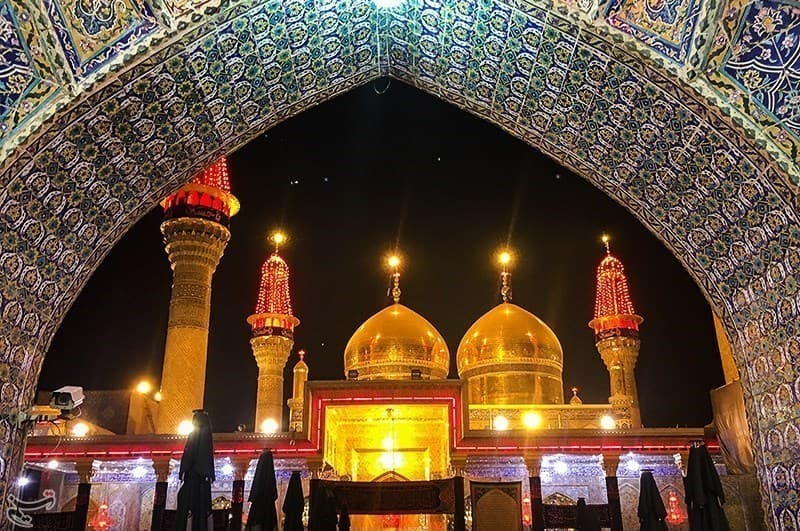
Al-Kadhimiya Mosque
The Al-Kadhimiya Mosque, also known as the Jawadayn Shrine, is a revered holy site in Shia Islam located in Baghdad, Iraq. It serves as the mausoleums for the seventh and ninth Shia Imams, Musa al-Kadhim and Muhammad al-Jawad, respectively, making it a significant pilgrimage destination.