
Aguinaldo Shrine
Philippines·body preserved·19th century
The Emilio Aguinaldo Shrine, also known as the Cavite El Viejo Shrine, is a national shrine in Kawit, Cavite, Philippines. It is historically significant as the ancestral home of Emilio Aguinaldo, the first President of the Philippines, and the site where the Philippine Declaration of Independence from Spain was proclaimed on June 12, 1898. The house now functions as a museum, preserving artifacts and memorabilia related to Aguinaldo and the Philippine Revolution.
Key Facts
- ›Ancestral home of Emilio Aguinaldo, the first President of the Philippines.
- ›Site of the Philippine Declaration of Independence on June 12, 1898.
- ›The house was originally built in 1845 and reconstructed in 1849.
- ›Emilio Aguinaldo significantly enlarged the house between 1919 and 1921.
- ›Declared a National Shrine in 1964 through Republic Act no. 4039.
- ›Houses a museum with Aguinaldo's memorabilia and historical artifacts.

Cavite El Viejo Shrine
- Site of the Philippine Declaration of Independence
- Ancestral Home of the First President of the Philippines
- Commemorates the Philippine Revolution of 1896
- National Symbol of Philippine Independence
Emilio Aguinaldo
Wood, Thatch
Emilio Aguinaldo
About Aguinaldo Shrine
The Emilio Aguinaldo Shrine: Birthplace of Philippine Independence
The Emilio Aguinaldo Shrine, also known as the Cavite El Viejo Shrine, stands in Kawit, Cavite, Philippines, as a pivotal national monument. Its historical importance is paramount as the ancestral home of Emilio Aguinaldo, the first President of the Philippines, and the very location where the Philippine Declaration of Independence from Spain was proclaimed on June 12, 1898. This declaration marked a significant moment in the nation's struggle for sovereignty.
Historical Context and Construction
The structure that now serves as the shrine has a history dating back to 1845 when it was initially built from wood and thatch. It underwent reconstruction in 1849. It was within these walls that Emilio Aguinaldo was born on March 22, 1869. Later in his life, from 1919 to 1921, President Aguinaldo undertook substantial renovations, significantly enlarging his home and transforming it into a monument dedicated to the Philippine flag and the nation's independence. He famously constructed an "Independence balcony," which, though many visitors now assume it to be the original site of the proclamation, was an addition from this renovation period.
The Declaration of Independence and National Recognition
On June 12, 1898, from the grand hall's window, the Declaration of Philippine Independence was read by its author, Ambrosio Rianzares Bautista. This momentous event was later ratified by the Malolos Congress. During the independence celebrations, the Philippine flag, designed by Emilio Aguinaldo, was formally unfurled from the front window. The national anthem was also first played on the grounds. Recognizing its profound historical value, Emilio Aguinaldo donated his home to the Philippine government on June 12, 1963, with the intention of preserving the spirit of the Philippine Revolution. The following year, on June 18, 1964, the mansion was officially declared a National Shrine through Republic Act No. 4039.
Description and Museum Features
The Aguinaldo Shrine is more than just a historic house; it is a sprawling estate that includes Aguinaldo Park, created for the 1998 Philippine Centennial celebration, featuring promenades and pools. The main house itself is a mansion exceeding 14,000 square feet, designed by Aguinaldo. It is characterized by secret passages and hiding places, and is adorned with antique furniture and nationalistic motifs. The building is divided into distinct sections: the main house, the family wing, and a five-story tower. The ground floor now houses a museum dedicated to Aguinaldo's life and the revolution, featuring exhibits like a hologram of Aguinaldo on the eve of the declaration. Notable rooms include the grand hall with its historic front window, the dining room with a map of the Philippines on its ceiling, and various bedrooms. The upper levels include a library overlooking the grand hall and a tower offering panoramic views. The grounds also feature Aguinaldo's restored 1924 Packard limousine and a marble tomb where the first president is interred.
Source: Wikipedia ↗
Frequently Asked Questions
Where is the Emilio Aguinaldo Shrine located?
The Emilio Aguinaldo Shrine is located in Kawit, Cavite, in the Philippines. It is the ancestral home of Emilio Aguinaldo.
What is the historical significance of the Aguinaldo Shrine?
The shrine is historically significant because it was the location where the Philippine Declaration of Independence from Spain was proclaimed on June 12, 1898. This event is commemorated annually as Independence Day.
When was the Aguinaldo Shrine declared a National Shrine?
The mansion was declared a National Shrine on June 18, 1964, by President Diosdado Macapagal through Republic Act No. 4039.
What can visitors see at the Aguinaldo Shrine?
Visitors can see the ancestral home of Emilio Aguinaldo, which has been transformed into a museum. The museum displays Aguinaldo's memorabilia, antique furniture, and other historical artifacts, including a hologram depicting him.
Who built the Aguinaldo Shrine?
The house was originally built in 1845 and reconstructed in 1849. Emilio Aguinaldo himself greatly enlarged and redesigned his home between 1919 and 1921, transforming it into a monument.
Related Mausoleums

Akbar's tomb
Akbar's tomb is the mausoleum of the third and greatest Mughal emperor, Akbar. Commissioned by his son Jahangir and constructed between 1605 and 1613, it is a significant example of Mughal architecture, blending red sandstone with white marble. The tomb is notable for its unique design and historical context, having been desecrated in the past but later undergoing extensive restoration.

Artigas Mausoleum
The Artigas Mausoleum in Montevideo, Uruguay, is a significant monument dedicated to the national hero José Artigas. Opened in 1977, it houses his remains in an underground chamber beneath a prominent statue and is guarded by traditional soldiers, serving as a focal point for national commemoration.
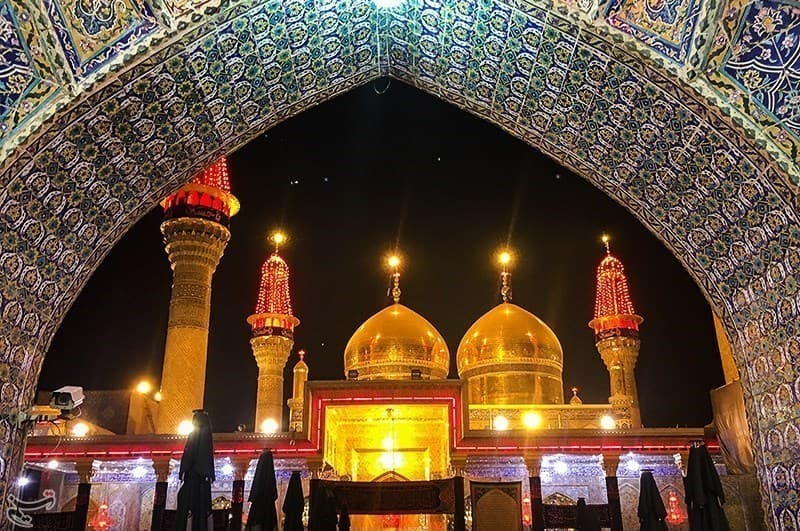
Al-Kadhimiya Mosque
The Al-Kadhimiya Mosque, also known as the Jawadayn Shrine, is a revered holy site in Shia Islam located in Baghdad, Iraq. It serves as the mausoleums for the seventh and ninth Shia Imams, Musa al-Kadhim and Muhammad al-Jawad, respectively, making it a significant pilgrimage destination.