
Gurdwara Beri Sahib
Gurdwara Beri Sahib, also known as Baba Beri or Baba Bair, is a significant Sikh shrine located in Sialkot, Pakistan. It is historically important as the site where Guru Nanak Dev Ji, the founder of Sikhism, is believed to have meditated under a berry tree, a tree that is still preserved. The gurdwara complex includes a garden, a pool, and residential facilities for pilgrims.
Key Facts
- ›Located in Sialkot, Pakistan.
- ›Associated with Guru Nanak Dev Ji's visit and meditation.
- ›Features a preserved berry tree under which Guru Nanak is said to have stayed.
- ›Originally built by Natha Singh.
- ›Suffered damage during the Babari Masjid dispute but was later renovated.
- ›Reopened for pilgrims and access for Indian Sikh pilgrims was restored in 2012.

Baba Beri, Baba Bair, Gurdwara Babe Di Ber
Guru Nanak Dev Ji
Berry Tree, Garden, Pool, Residential Rooms
- Baba Guru Nanak Dev Ji's stay and meeting with Hamza Ghaus
- Damage during the Babari Masjid dispute
- Renovation in the 2010s
- Restoration of access for Indian Sikh pilgrims in 2012
Hamza Ghaus
About Gurdwara Beri Sahib
Gurdwara Beri Sahib, also referred to as Baba Beri or Baba Bair, is an important Sikh shrine located in Sialkot, Pakistan. Its primary historical significance stems from the belief that Baba Guru Nanak Dev Ji, the founder of Sikhism, stayed at this location and meditated under a berry tree. This tree is still preserved within the gurdwara complex, serving as a tangible link to the Guru's presence.
History and Development
The gurdwara was originally constructed by Natha Singh. Over time, the complex was developed to include amenities for visitors, such as a garden, a pool, and residential rooms. The site experienced damage in the aftermath of the Babari Masjid dispute, with a significant structure reportedly being demolished by an unruly mob. However, the gurdwara underwent substantial renovation in the 2010s and was subsequently reopened to pilgrims. A notable event in its recent history was the restoration of access for Indian Sikh pilgrims in November 2012, which facilitated greater religious tourism to the site.
Spiritual and Cultural Importance
Gurdwara Beri Sahib is revered by Sikhs for its association with Guru Nanak Dev Ji and the historical berry tree. The site represents a place of spiritual reflection and pilgrimage. The meeting of Guru Nanak with Hamza Ghaus, a prominent saint of Sialkot, also adds to the historical narrative and spiritual depth of the location. The continuous efforts towards its preservation and renovation ensure that it remains an active center for Sikh devotion and heritage.
Source: Wikipedia ↗
Frequently Asked Questions
Where is Gurdwara Beri Sahib located?
Gurdwara Beri Sahib is situated in the city of Sialkot, in present-day Pakistan. It is one of the historical Gurdwaras located in the Punjab region.
What is the historical significance of Gurdwara Beri Sahib?
The gurdwara is significant because it is believed to be the place where Baba Guru Nanak Dev Ji, the founder of Sikhism, stayed and meditated. A berry tree, under which he is said to have rested, is still present at the site.
Who built Gurdwara Beri Sahib?
The gurdwara was built by Natha Singh. The complex was later renovated and expanded to include a garden, a pool, and residential rooms for visitors.
Has the gurdwara undergone any damage or renovation?
Yes, the gurdwara was damaged in the wake of the Babari Masjid dispute, with a prominent structure being razed. It underwent renovation in the 2010s and was reopened for pilgrims.
When was access for Indian Sikh pilgrims restored?
Access to Gurdwara Beri Sahib for Indian Sikh pilgrims was restored in November 2012, facilitating religious tourism and pilgrimage.
Related Gurdwaras

Gurdwara Chowa Sahib
Gurdwara Chowa Sahib is a significant Sikh pilgrimage site located near the Rohtas Fort in Jhelum, Pakistan. It commemorates the miraculous spring that Guru Nanak is believed to have created during one of his spiritual journeys, providing water in an arid region. The current structure was commissioned by Maharaja Ranjit Singh in 1834, and it continues to be a place of veneration and historical importance for Sikhs.

Gur Sikh Temple
The Gur Sikh Temple in Abbotsford, British Columbia, is the oldest existing Sikh gurdwara in North America and a National Historic Site of Canada. Established in 1911, it holds significant historical and cultural importance as a testament to the early Sikh diaspora's establishment on the continent.
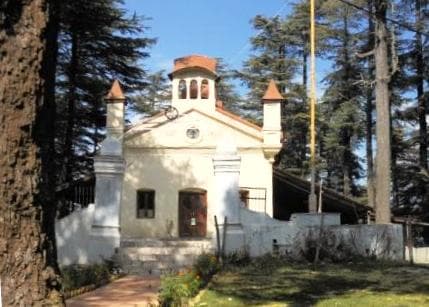
Chail Gurudwara
The Chail Gurudwara is a Sikh temple established in 1907 in Chail, Himachal Pradesh, by Maharaja Bhupinder Singh of Patiala. Its architecture, which notably resembles a church, has been preserved through renovations. After the partition of Punjab, the building came under the management of the Himachal Pradesh government and is currently overseen by the Department of Art & Culture, with support from the Chail Heritage Foundation and a Gurudwara Management Committee.