
Gur Sikh Temple
Canada·Abbotsford·20th century·Historic
The Gur Sikh Temple in Abbotsford, British Columbia, is the oldest existing Sikh gurdwara in North America and a National Historic Site of Canada. Established in 1911, it holds significant historical and cultural importance as a testament to the early Sikh diaspora's establishment on the continent.
Key Facts
- ›Oldest existing Sikh gurdwara in North America.
- ›Designated a National Historic Site of Canada in 2002.
- ›Opened on February 26, 1911.
- ›Originally a two-floor building with interior Sikh architectural features.
- ›Transferred ownership to the Khalsa Diwan Society Abbotsford in 1975.
- ›A new, larger temple was built across the road in 1983.

Abbotsford Sikh Temple
- Two-floor building
- Exterior resembling contemporary wood houses
- Interior Sikh architectural and design features
- Langar and common dining room on the first floor
- Prayer hall on the second floor
- First Sikh pioneers arrived in Abbotsford in 1905.
- Plans to build a Gurdwara were made in 1908.
- Gurdwara opened on February 26, 1911.
- Building extended in 1932 and the 1960s.
- Transferred to Khalsa Diwan Society Abbotsford in 1975.
- New, larger temple built across the road in 1983.
- Designated a National Historic Site in 2002.
- Reopened after renovation in 2007.
- Sikh Heritage Museum inaugurated in 2011 for the centennial.
- Prime Minister Justin Trudeau visited the Sikh Heritage Museum in 2017.
About Gur Sikh Temple
The Gur Sikh Temple, also known as the Abbotsford Sikh Temple, is a landmark institution in Abbotsford, British Columbia, Canada. It holds the distinction of being the oldest existing Sikh gurdwara in North America and is recognized as a National Historic Site of Canada. This designation highlights its profound historical and cultural importance to the Sikh diaspora and Canadian heritage.
History and Establishment
Sikh pioneers began settling in the Abbotsford area in 1905, primarily engaging in farming and the lumber industry. By 1908, plans were underway to establish a dedicated place of worship. The construction of the gurdwara involved significant community effort, with settlers carrying lumber from a local mill up a hill to the chosen site. The Gur Sikh Temple officially opened its doors on February 26, 1911. The inaugural ceremony was attended by Sikhs and non-Sikhs from across British Columbia, drawing the attention of local media.
Architecture and Development
The original temple was a two-floor structure designed to blend with the vernacular architecture of frontier towns, with its exterior resembling typical wood houses of the era. However, the interior was adorned with features and decorations characteristic of Sikh design and tradition. The first floor housed the Langar (community kitchen and dining hall), while the second floor served as the prayer hall. The building underwent expansions in 1932 and the 1960s to accommodate a growing congregation. In 1983, a new and significantly larger temple was constructed on the opposite side of the road, reflecting evolving architectural styles and community needs.
Historical Recognition and Preservation
Until 1975, the Gurdwara was affiliated with the Khalsa Diwan Society Vancouver, after which it was transferred to the Khalsa Diwan Society Abbotsford, seeking greater autonomy. The original temple building was officially designated a National Historic Site in 2002, a recognition formally declared by Prime Minister Jean Chrétien. Following renovations, the temple reopened in 2007. To commemorate its centennial anniversary in 2011, Prime Minister Stephen Harper inaugurated the Sikh Heritage Museum on the ground floor of the temple, further solidifying its role as a repository of Sikh history and culture. The site continues to be a focal point for community events and heritage preservation.
Source: Wikipedia ↗
Frequently Asked Questions
When was the Gur Sikh Temple established?
The Gur Sikh Temple was established and opened on February 26, 1911. This makes it the oldest existing Sikh gurdwara on the North American continent.
What is the historical significance of the Gur Sikh Temple?
It is the oldest existing Sikh gurdwara in North America and holds the distinction of being a National Historic Site of Canada. Its establishment marks a key moment in the history of Sikh settlement in Canada.
What was the original structure of the Gur Sikh Temple like?
The original building was a two-floor structure that resembled contemporary wood houses from the outside. Sikh architectural and design elements were incorporated into the interior, with the first floor housing the Langar and dining room, and the second floor serving as the prayer hall.
Has the Gur Sikh Temple undergone any expansions or renovations?
Yes, the original building was extended twice, in 1932 and again in the 1960s. The temple reopened after renovations in 2007, and a museum was planned for its 100th anniversary.
What is the current status of the Gur Sikh Temple as a historic site?
The Gur Sikh Temple was designated a National Historic Site of Canada in 2002. It is the only gurdwara outside of India and Pakistan to receive this designation.
Related Gurdwaras
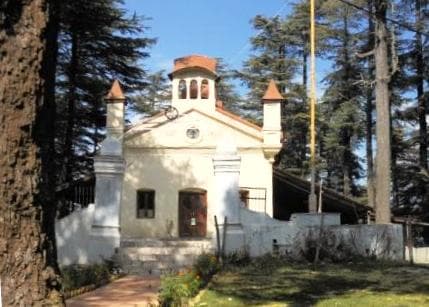
Chail Gurudwara
The Chail Gurudwara is a Sikh temple established in 1907 in Chail, Himachal Pradesh, by Maharaja Bhupinder Singh of Patiala. Its architecture, which notably resembles a church, has been preserved through renovations. After the partition of Punjab, the building came under the management of the Himachal Pradesh government and is currently overseen by the Department of Art & Culture, with support from the Chail Heritage Foundation and a Gurudwara Management Committee.
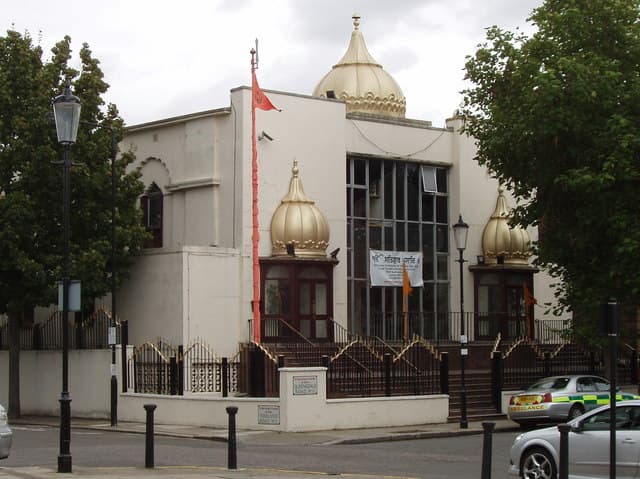
Central Gurdwara (Khalsa Jatha) London
The Central Gurdwara (Khalsa Jatha) London is the oldest Sikh place of worship in the United Kingdom and Europe, established in 1908. It is affiliated with the Chief Khalsa Dewan of Amritsar and maintains traditional Khalsa practices, including displaying the original Sikh flag symbol. The gurdwara moved to its current Queensdale Road location in 1969.

Gurdwara Baba Atal
Gurdwara Baba Atal is a significant Sikh shrine in Amritsar, dedicated to Baba Atal Rai, the young son of Guru Hargobind. Its distinctive nine-story octagonal structure, standing around forty meters tall, commemorates his nine years of life. Located near the Harmandir Sahib, it is a site of historical and spiritual importance, known for its intricate artwork and devotional plaques.